

The actor behind Alamo Brown on power, the American dream, fashion, consequence and what it means to finally understand yourself. There is something almost fitting about Adewale Akinnuoye-Agbaje having spent his career inhabiting men who are difficult to forget. From Simon Abedisi in Oz to Alamo Brown in Euphoria, his characters tend to arrive fully formed: imposing, unpredictable, seductive, and dangerous. But behind the performances is an actor whose own life has been defined less by certainty than by reinvention. He studied law in London before an unexpected modeling career took him around the world. He walked for Issey Miyake in Paris, worked with designers such as Vivienne Westwood, Mugler, Katharine Hamnett, and Jean Paul Gaultier.
In Euphoria, that history became unexpectedly useful. Alamo’s cowboy boots, rings, hats and immaculate suits are not simply wardrobe; they are armor. He has built an entire mythology around himself, one rooted in money, women, violence and control… only to discover, at the very end, that the empire was never what he truly wanted.
When I spoke, Akinnuoye-Agbaje was at end of the Euphoria press tour. What began as a conversation about Alamo became something broader: about the American dream, the price of ambition, addiction, masculinity, the value of being understood, and the strange process of discovering yourself by becoming somebody else.
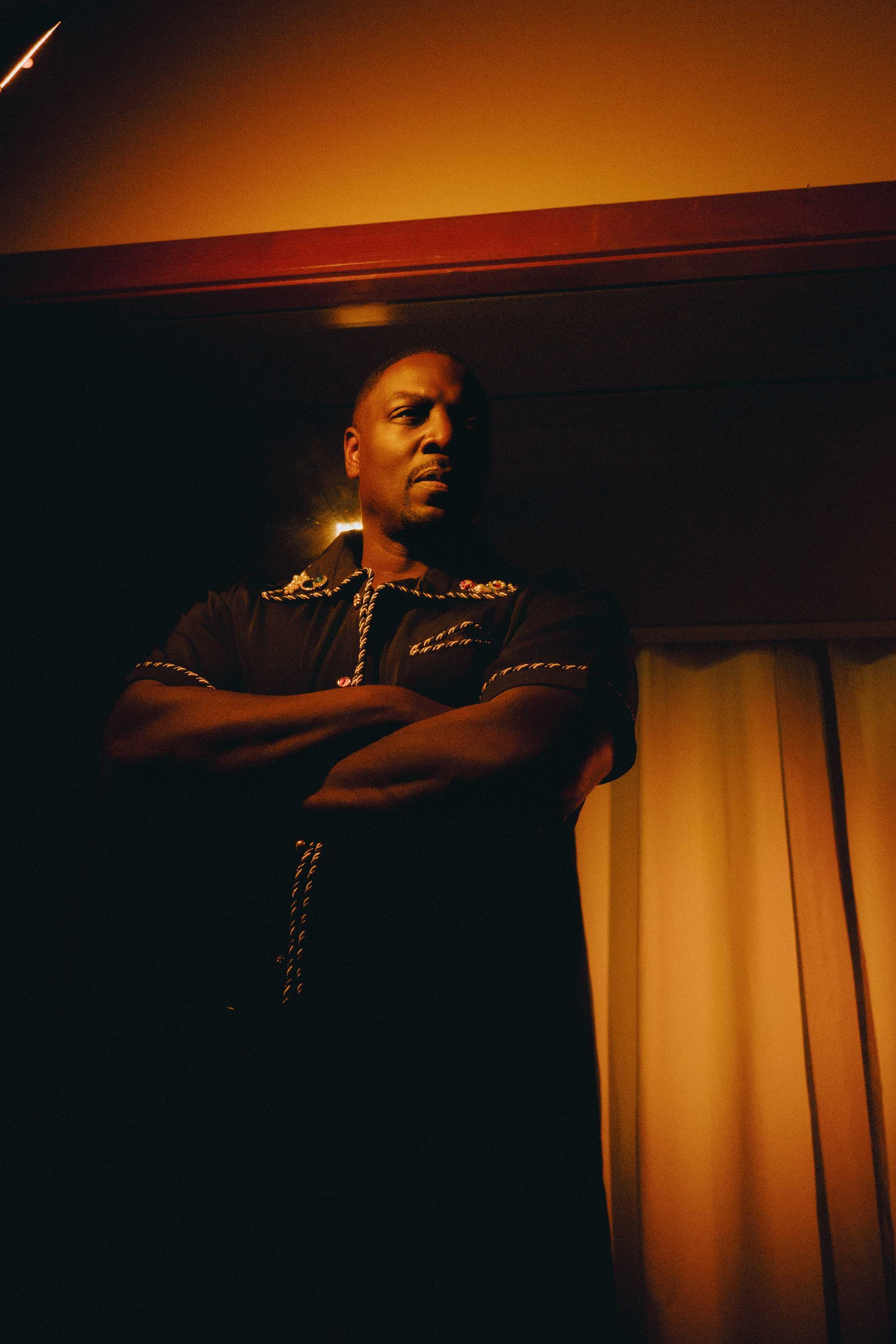
On Alamo Brown
Q: You and Sam Levinson developed Alamo’s ending collaboratively. What were you hoping his final moments would reveal about him?
Adewale: The relationship between Sam and I was very collaborative. Obviously, the show, and particularly Alamo Brown, is the brainchild of Sam Levinson and brilliantly crafted. It was so well written that there was little needed in terms of input, but Sam did allow me to have my input. When we arrived at the finale, I asked Sam what the purpose of Alamo’s journey was in the overall narrative. Is it just chasing money and women? Or can we have something a bit more substantive?
I was really wanting a reflective moment. We didn’t want to glamorise or sensationalise the lifestyle or undermine the character that Sam had built. We felt that we owed him that kind of depth. What Sam came up with was this wonderful epiphany scene.
Q: And what does Alamo finally understand about himself in that moment?
Here is a man who has defeated Laurie, he’s defeated the DEA, he’s dispensed with Rue the rat, and he’s gotten all of the loot, all of the drugs. Essentially, he’s on top of the world. But we find him with everything and, in that moment, he realises he has nothing. He’s empty. He’s asking himself, what’s it really all about?
At the beginning of his life, he basically preyed on exploiting women. Now, at this point in his life, he suddenly realises that he simply wants to surrender to the power of women. Like any ordinary human being, he just wants love, a family with a wife, children.
Q: There’s something deeply tragic about realizing what you wanted only when it’s too late. Do you think Alamo dies understanding that the life he built was a mistake?
I think that’s the epiphany. Right at the end of his life, he realises the flaw in that perspective. That actually is not the way to happiness. It’s not even the way to live, and it’s not who he really is. At the point where he has everything is when he realises, you know what? What really matters are the treasures of the heart. Just being loved and having a family. That’s all he wants. Which again is the good part of the American dream; that white picket fence, that Norman Rockwell kind of life. That’s the other side of the American dream. And he says, that’s what I want, really.
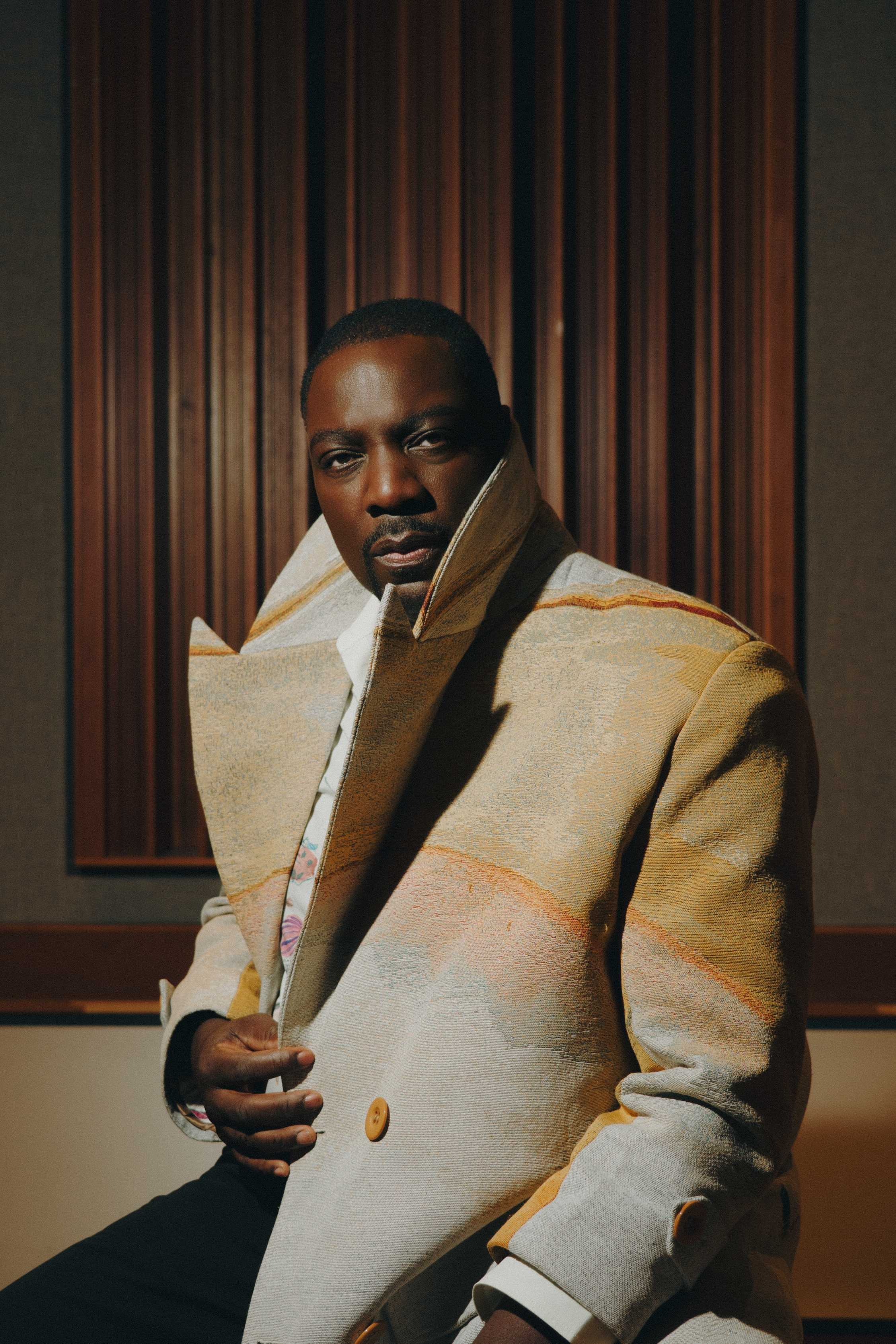
On the American Dream
Q: You described Alamo as, in some ways, the epitome of the American dream. Do you think the American dream is still morally desirable?
I think that’s why many immigrants from all over the globe rush to the US. What the US offers in terms of opportunity, the possibility of freedom and success, I don’t think is more evident anywhere other than in the US. You don’t really have to have an education and you can become whatever it is you desire if you put in the hard work. So, I do feel that he is the epitome of the American dream.
He’s a man who’s pulled himself up from the bootstraps, built an empire on strip clubs and selling guns, drugs and women out the back doors. And I don’t feel like he feels he’s a criminal. I think he feels like he’s a hero because he looks at the politicians and says, do you think they’re legit? Look at what they’re doing. They’re doing exactly the same thing as I am, but just wearing suits and ties. He considers himself a hero on the frontier of the American dream. He’s pulled it off. Especially as a Black man, where the chips are heavily stacked against him, he felt that he needed to do it by any means necessary because he wasn’t given a fair handshake from the start.
Q: And yet, by the end, he realizes that being powerful isn’t the same as being fulfilled.
At the point where he realises that, it’s too late for him because he has to account for the heinous crimes that he’s committed. But I thought it was a wonderful window into who the man really was before he died.
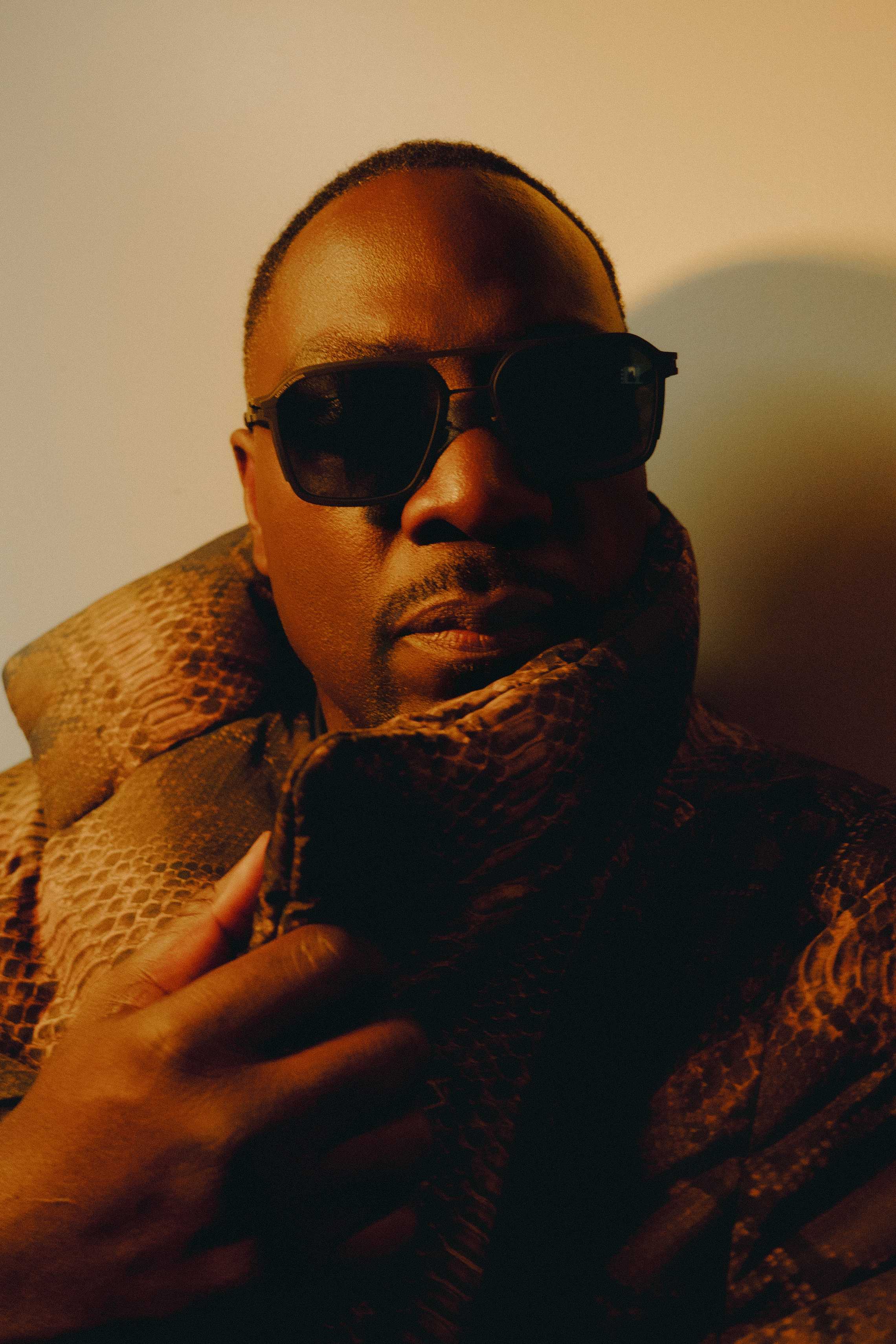
On childhood and consequence
Q: So much of Alamo’s behavior seems rooted in his childhood; his father leaving, the stability he briefly finds with Preston, and then the betrayal that destroys that illusion. Do you believe a different childhood could have created a different man?
You can see from his backstory that he’s a boy who had no father. His father abandoned him and his mother. Preston was the stepfather to a degree, and you could see how much that meant to the young Alamo. How much a stable, harmonious family really meant to him, and how much he was crushed when his mother corrupted that illusion for him. Had he had that stable family with Preston and his mother, I think he would have been an entirely different human being.
I really believe that was the catalyst for his behavior and his path to crime, but also abuse and exploitation of others. It broke the trust that he would have had of anyone, but particularly women, and consequently began to exploit them and avoid being abused or betrayed again. I think he became intensely paranoid and quite sadistic in his manner of protection.
Q: Do you think people change because they’re forced to face consequences, or because they finally see themselves clearly?
Both. You have an option in life, don’t you? Either you figure it out yourself or life will show you. And I much prefer the first because life’s lessons can be very harsh. You can learn from other people’s experiences as well. You can learn from both, but I prefer to learn from my own experiences rather than have life give me a good solid kick in the butt.
On addiction and fentanyl
Euphoria began as a story about teenagers, but its consequences have become much larger and darker. The series also confronts the reality of fentanyl. Did that part of the story feel particularly important to you?
I think that’s one aspect of it. It’s all wrapped up in this beautiful cinematic experience of entertainment. It develops all of this meaning, it’s beautiful, it looks cinematic, lush, but at its core is a substantive message.
There are consequences to your choices and nobody can escape them. No matter how cute, beautiful or funny you are, you’re going to succumb to your choices. It’s cause and effect. Whether you’re the primary user of, say, fentanyl, or the seller, it always ends up in death for both - or very, very bad circumstances. And I think that’s why it was poignant for Zendaya’s character, Rue, to actually be killed by that method, because it’s very real in this world.
I hope people get an awareness of not only the impacts on the primary user, but also their immediate family and their community. And also how they could perhaps support people, see the signs and support people in those circumstances and maybe avoid a tragedy like Rue’s or Alamo’s. He’s as much a victim of fentanyl as well.
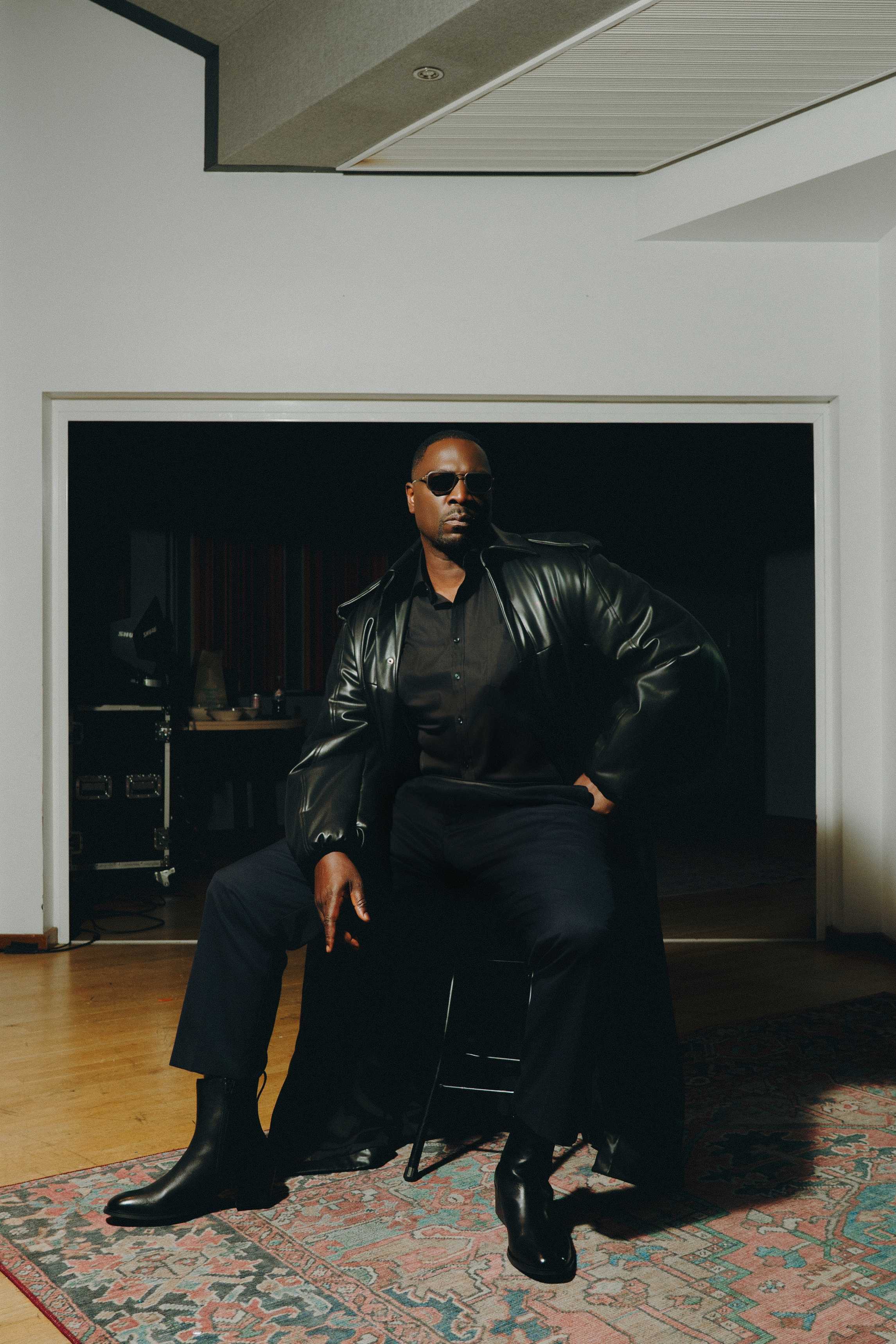
On becoming Alamo
Q: You don’t describe yourself as a method actor, but with Alamo you did something quite immersive. You asked the cast and crew to call you Alamo rather than Adewale. Why?
It depends on the role. I’ve never called it method simply because I never went to acting school. It’s just the way I’m able to connect with the characters. With Alamo, a character so far removed from myself, with a particular accent, I found it really effective to stay in the pocket of that character just for consistency. When I came in and out, the accent would waver, and I couldn’t have that happen.
I asked all of the cast and crew and producers and directors to only call me Alamo Brown. Nobody needed to know Adewale. They just needed to know Alamo Brown. Whatever device I could employ to help immerse me in the short space of time I had - whether it was horse riding, them calling me the name, staying in character, talking to everybody as Alamo Brown; it helped me really embody the character.
Q: Did playing Alamo teach you anything about yourself?
I think there’s this wonderful quality that Alamo has. He has what I call the ability to discern. To be able to read between the lines, to be able to read people, to be able to read situations. That’s why he had this measured way of talking. He’s always assessing what is happening. That’s a quality that I would like to harness a little more with myself. There’s this wonderful way that becomes organic when you talk in a Southern slur, because they have this rich country wisdom. I loved learning that and embracing that, and it’s something that I would like to embrace as part of my own personality.
On horses and staying alert
Q: You trained for six weeks to ride the horse in the show. What did that experience teach you beyond simply learning how to ride?
I could not authentically play a cowboy without having a horse. When you ride a horse and become one with it, there’s something very primal about that experience. With a horse, it’s very skittish. On the one hand, you have to be in rhythm with it and relaxed because it picks up on your vibrations. On the other hand, you have to have your head on a swivel for anything that moves that might make it skittish.
To me, that’s the balance of life. You’ve got to be relaxed but you’ve got to be alert.
If I drew anything from learning and playing Alamo, I think it was just accentuating that point about life: how you have to be in the moment and relaxed to enjoy it, but always alert, with your head on a swivel for whatever’s going to come.
On being understood
Q: As you’ve gotten older, what has become more important to you: being understood or understanding other people?
Both. Being understood is important because, as a Black man in this world, I was under no illusion as a young child that life was not going to be fair for me. And so when people judge you according to the melanin in your blood, it becomes important to be understood as a human being, for the heart beneath your skin. And that’s important to me not only as a human and as a man, but also as an artist. I really just want to excavate and discover what’s within me and bring it out. Rinse this rag dry.
On fashion
Q: Before acting, you had an extraordinary career in fashion. You were studying law in London and then suddenly you were opening for Issey Miyake in Paris. How did that world change you?
In my early career, I was studying law in London and used to do some modeling just to help finance myself through my master’s degree. It became quite a lucrative business for me, to the point that I travelled all over Europe and all over the world doing it.
One of the designers, actually my first big show in Paris, was Issey Miyake. I opened and closed the show, but I also became his muse for a week before the show. He would draw me and put different fabrics on me and he could feel that he was inspired. I got to hang out with him and go to dinner with him. It was a great experience as a young, aspiring artist to work with somebody who was just an incredible artist in the world of fashion. To this day, he’s one of my favorite designers that I wear, because he has this really exquisite way of combining practicality with the most beautiful art. His clothes are like a work of art, but they’re still practical.
Q: You grew up in an environment where those worlds weren’t necessarily accessible to you. What did it feel like to suddenly find yourself inside them?
It exposed me to such a different world of culture, of possibilities. You have to understand, I was a young Black boy who grew up in the slums of England. We weren’t privy to these lavish excesses where I grew up. It wasn’t even something that you would aspire to do. It almost chose me.
I was just working in a shop and somebody came in and said, “You look great, we’ll pay you this to do that,” and it took off. But as it did take off, I was discovering myself creatively, seeing how designs were put together, how they fit on the person. A lot of these shows were done in some of the most magnificent structures. Some were in train stations, some in the Louvre, some in cathedrals. I was always being exposed to all these different cultures and aesthetics, and I really think that has aided me in my artistry as an actor.
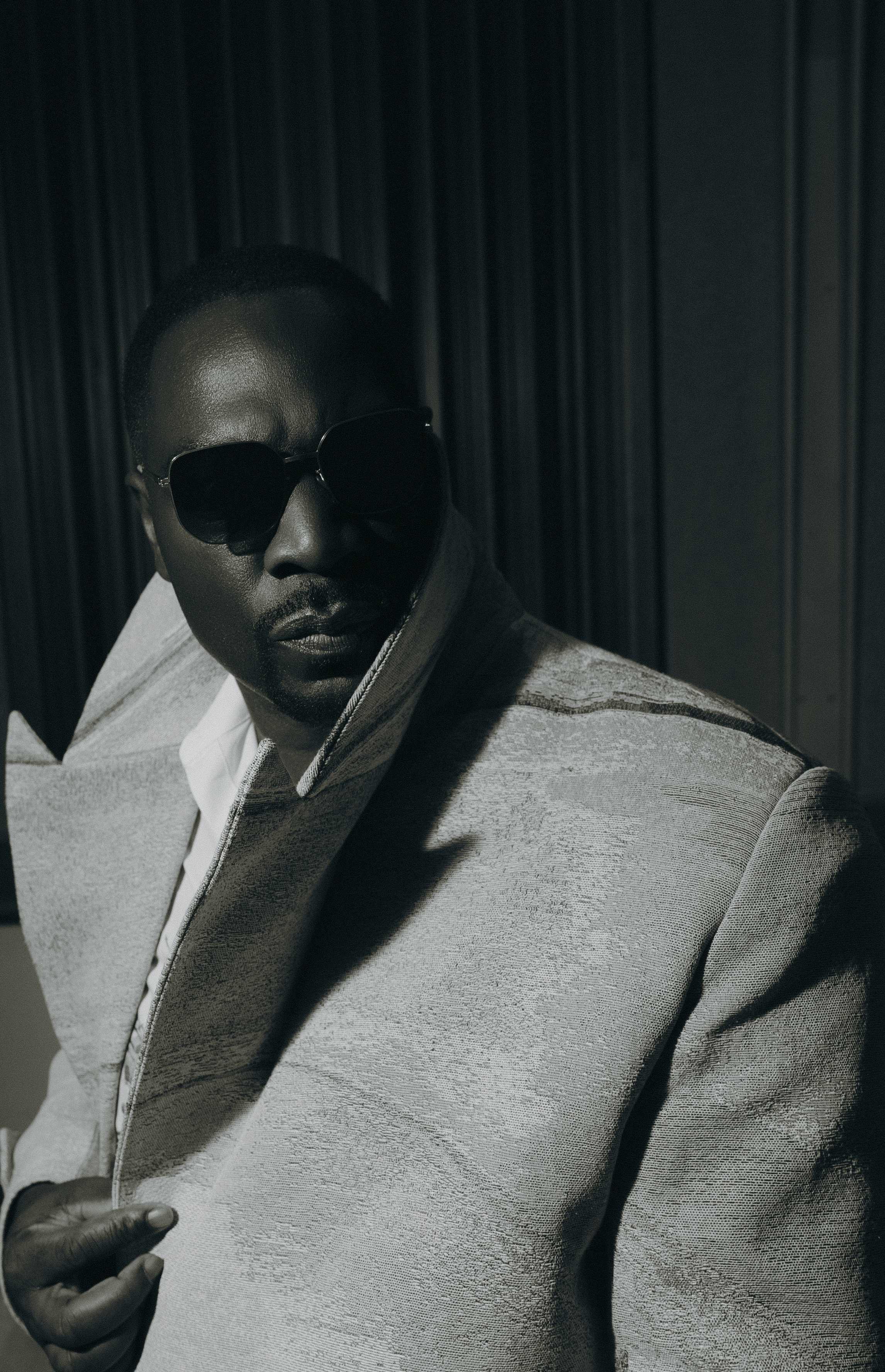
On dressing Alamo
Q: That fashion history is very visible in Alamo. His clothes feel almost like another character. Did your experience in fashion become part of constructing him?
When you see a character like Adebisi just putting the hat on the side of the head in that way, you know what it says about his character, his signature. We did the same with Alamo, with the rings and the crocodile boots with the scorpion on the end. I was really fortunate to work with such a brilliant costume designer, Natasha Newman-Thomas, who has such an acute eye and is very plugged in to all these high-end fashion designers, as is Sam Levinson. He has an amazing acute eye for fashion and style, as does Marcell Rév, the cinematographer. It was a wonderful collaborative element of the character that I relished because I was able to bring in my past fashion influence into constructing Alamo.
On the man underneath the characters
Q: You’ve spent much of your career becoming other people. What does acting ultimately teach you about being yourself?
I really just want to excavate and discover what’s within me and bring it out. That’s really it.
Q: Do you think that’s what you’ve been doing all along, whether it was law, fashion or acting, discovering different parts of yourself?
I think so.
Q: And after Alamo?
I hope to create another character that you’ll love to hate. Alamo finds himself too late. Adewale has spent his life becoming, moving between worlds, characters and identities, still curious about who he might become next.