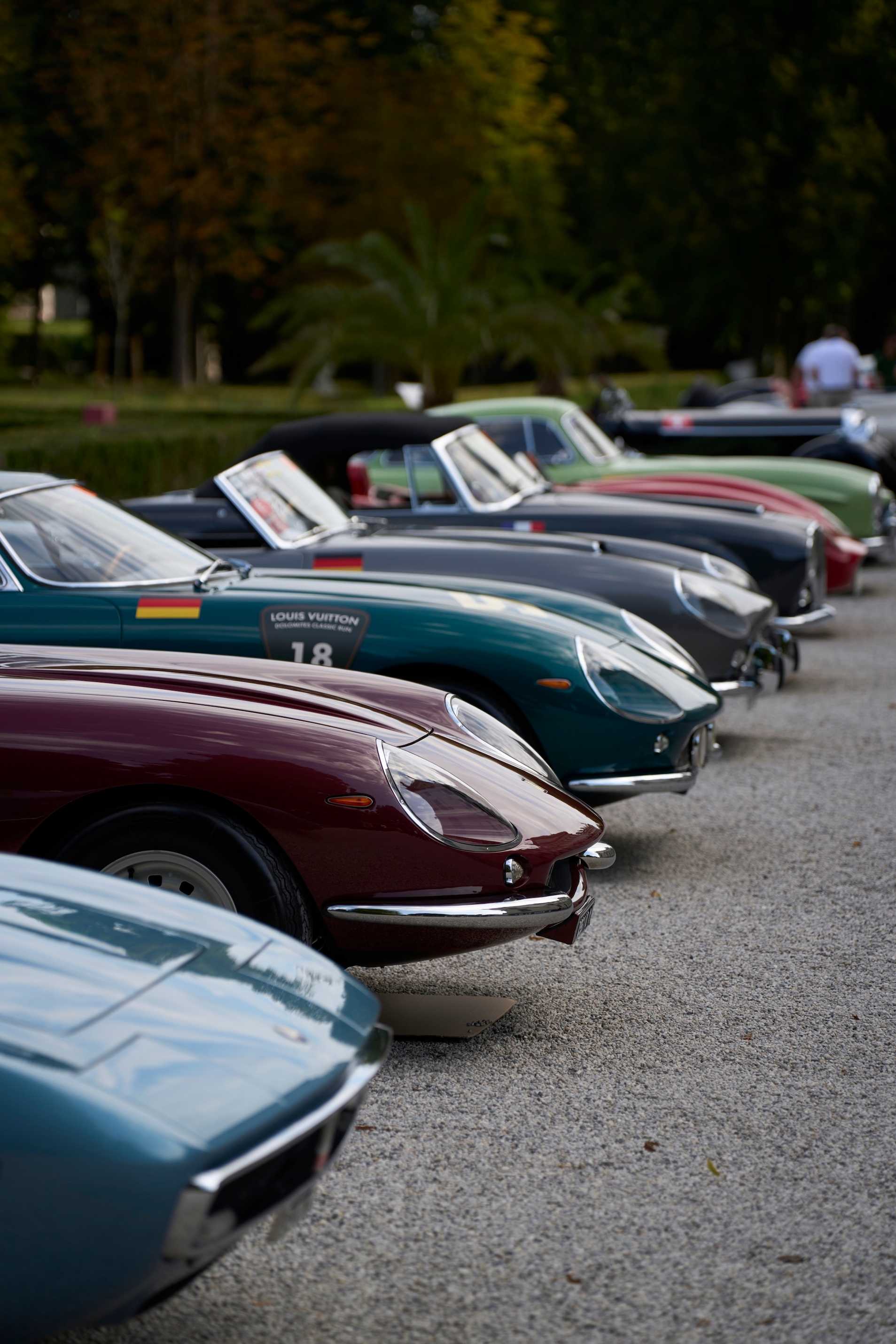
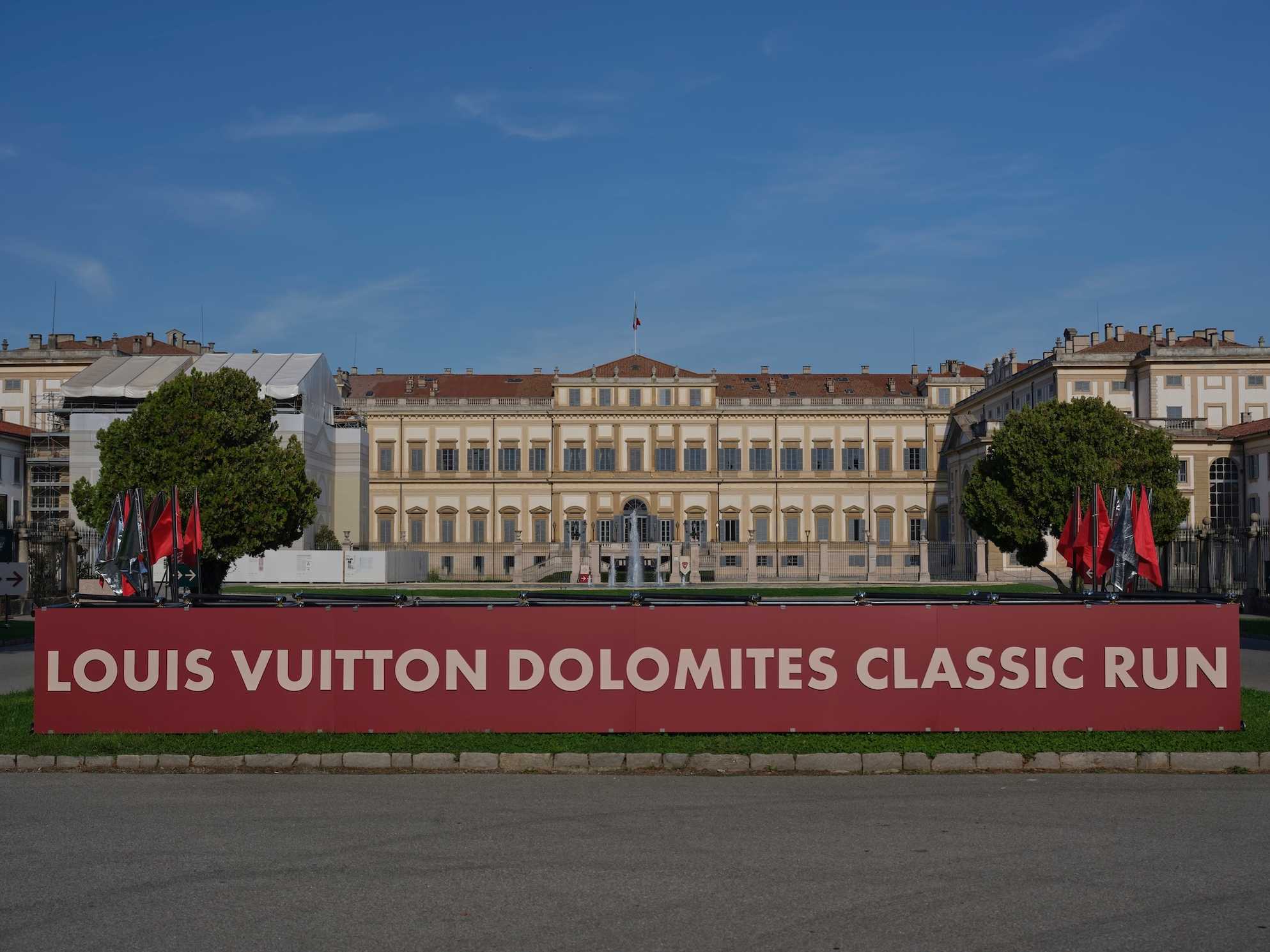
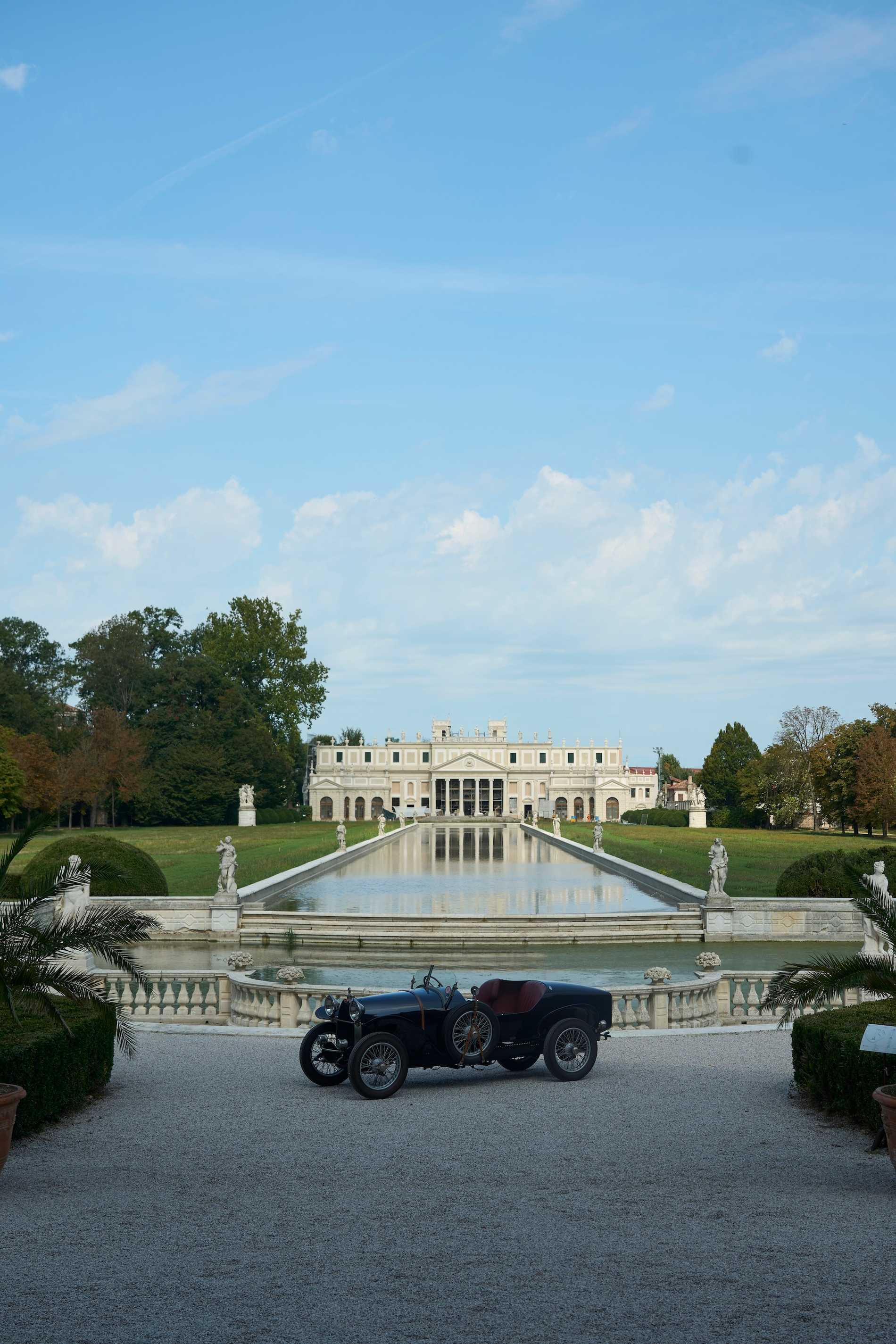
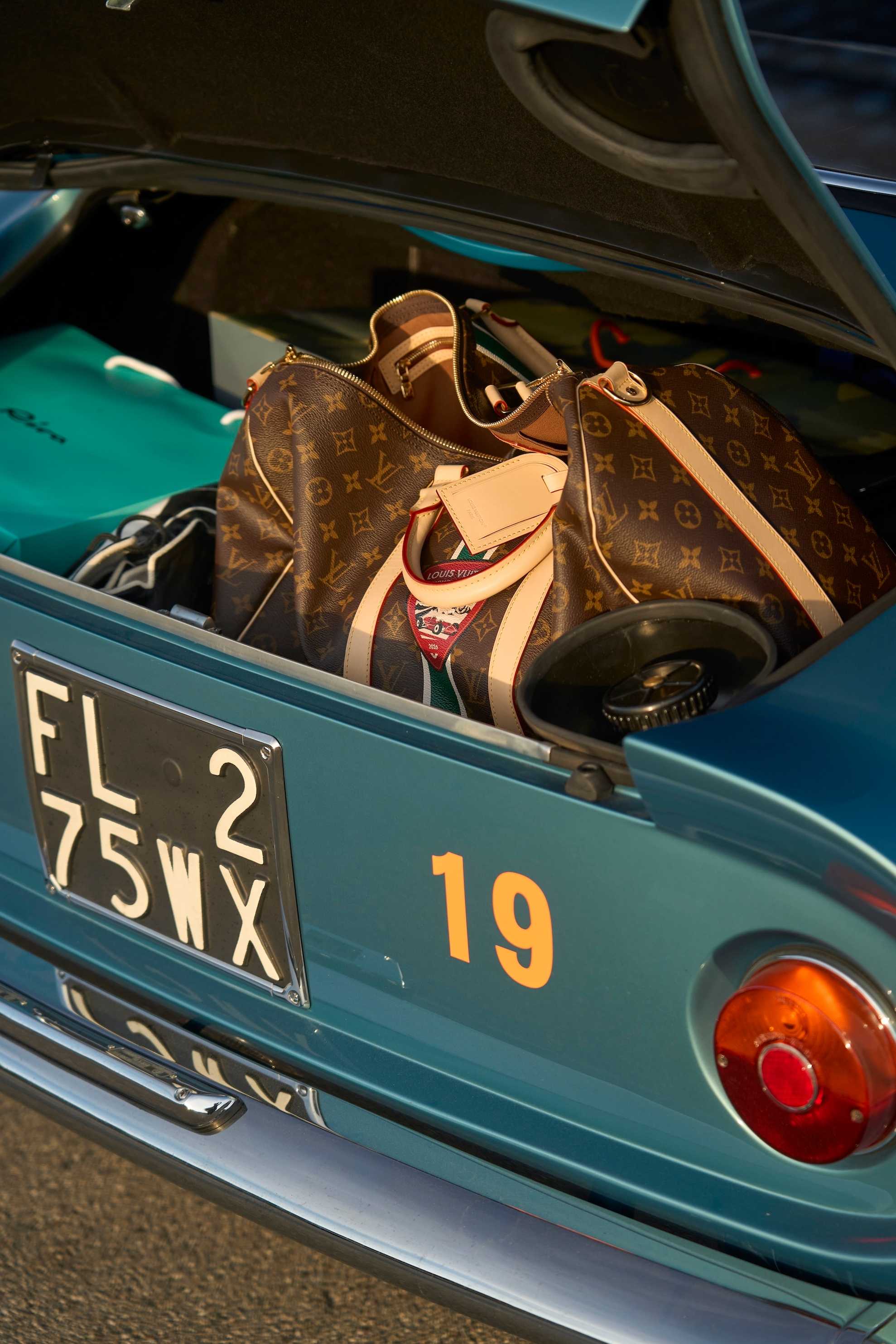
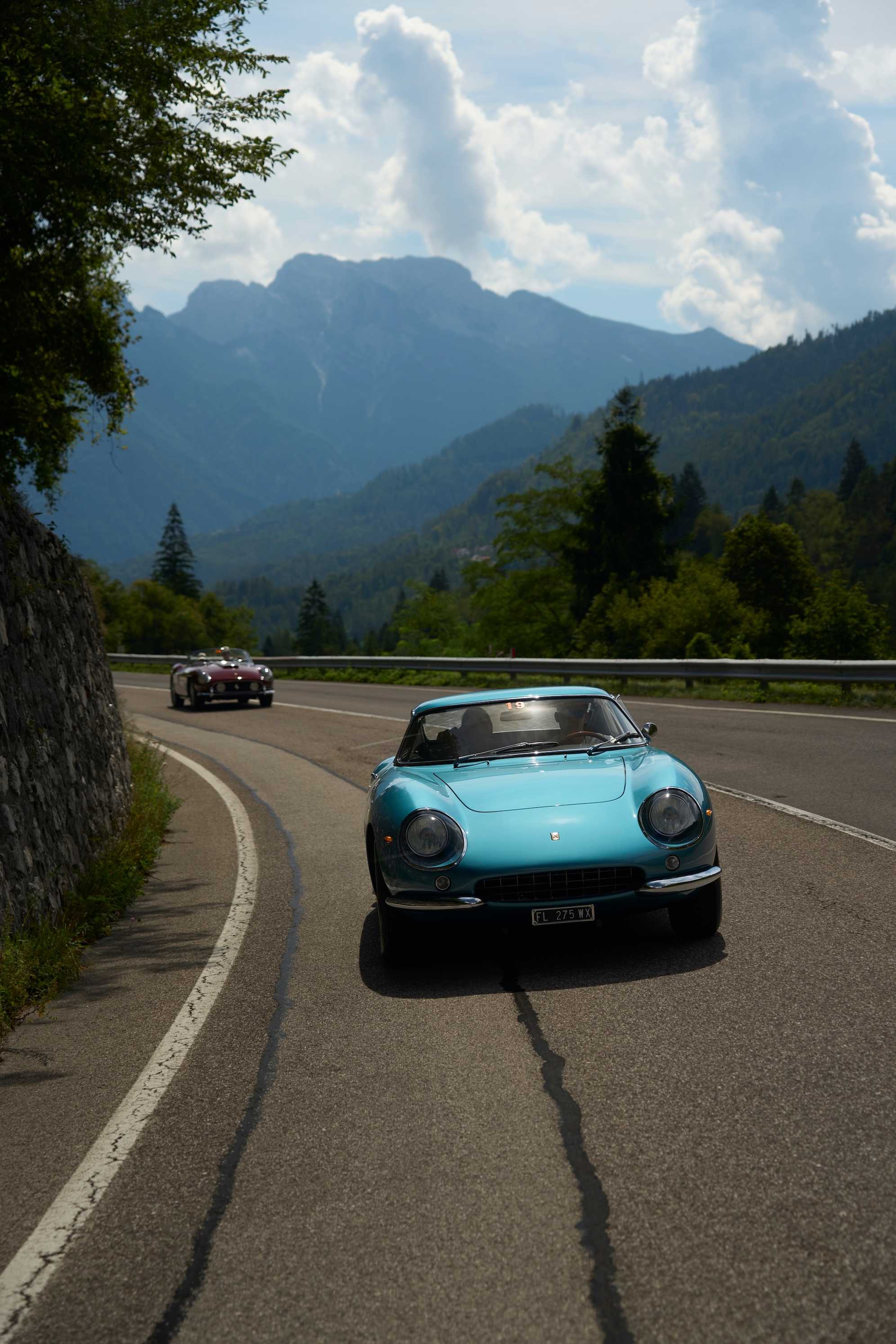
Louis Vuitton’s Dolomites Classic Run turned the road from Venice to Milan into a study in precision, heritage and the enduring theatre of travel. Some journeys are measured in miles; others, in atmosphere. Over four days, the Louis Vuitton Dolomites Classic Run sent 22 exceptional vintage cars from the restored splendor of Villa Pisani and Venice’s Palazzo Ducale, through the sculpted drama of the Dolomites, to Monza and Milan, turning the road itself into a theater of design, heritage, and motion.
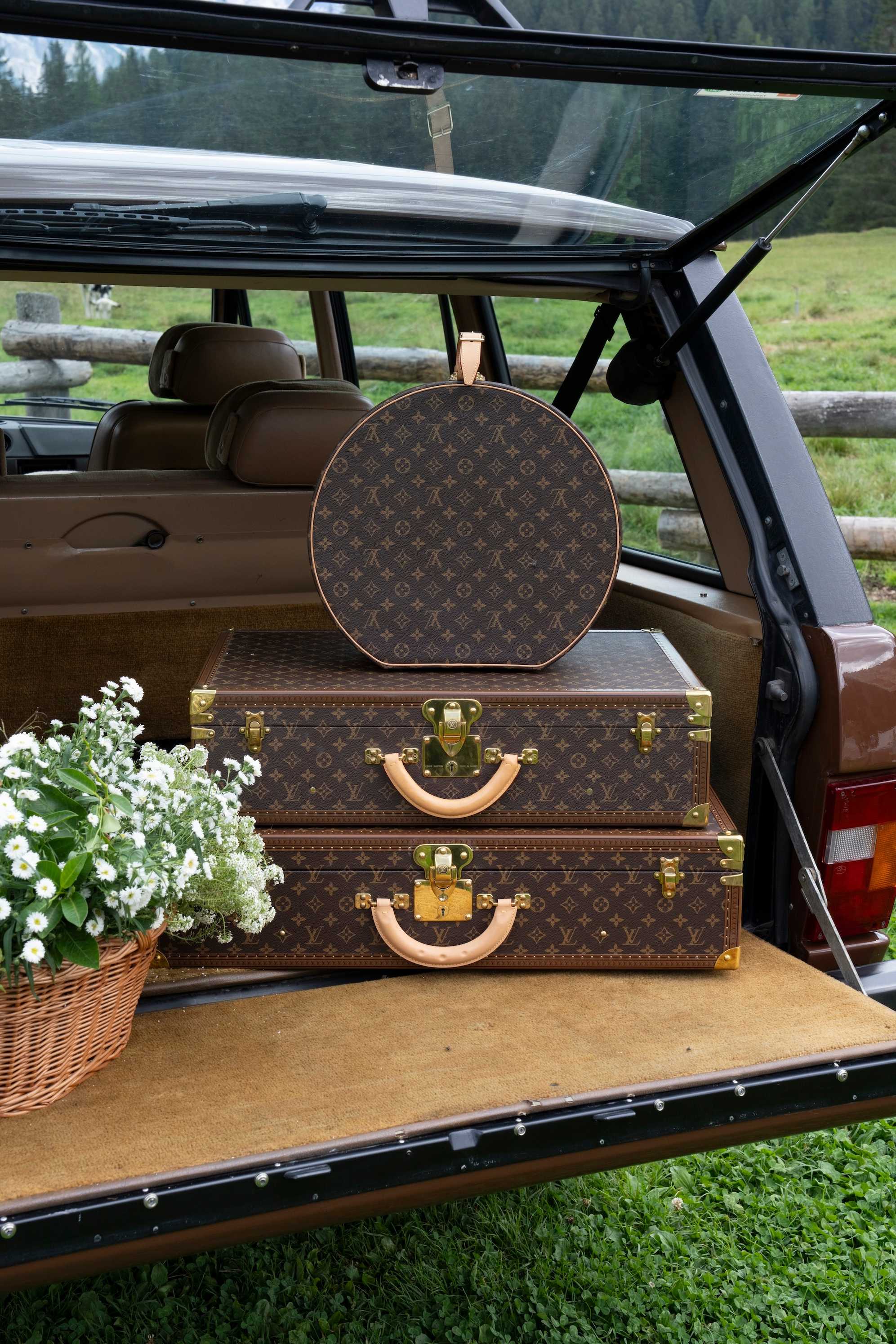
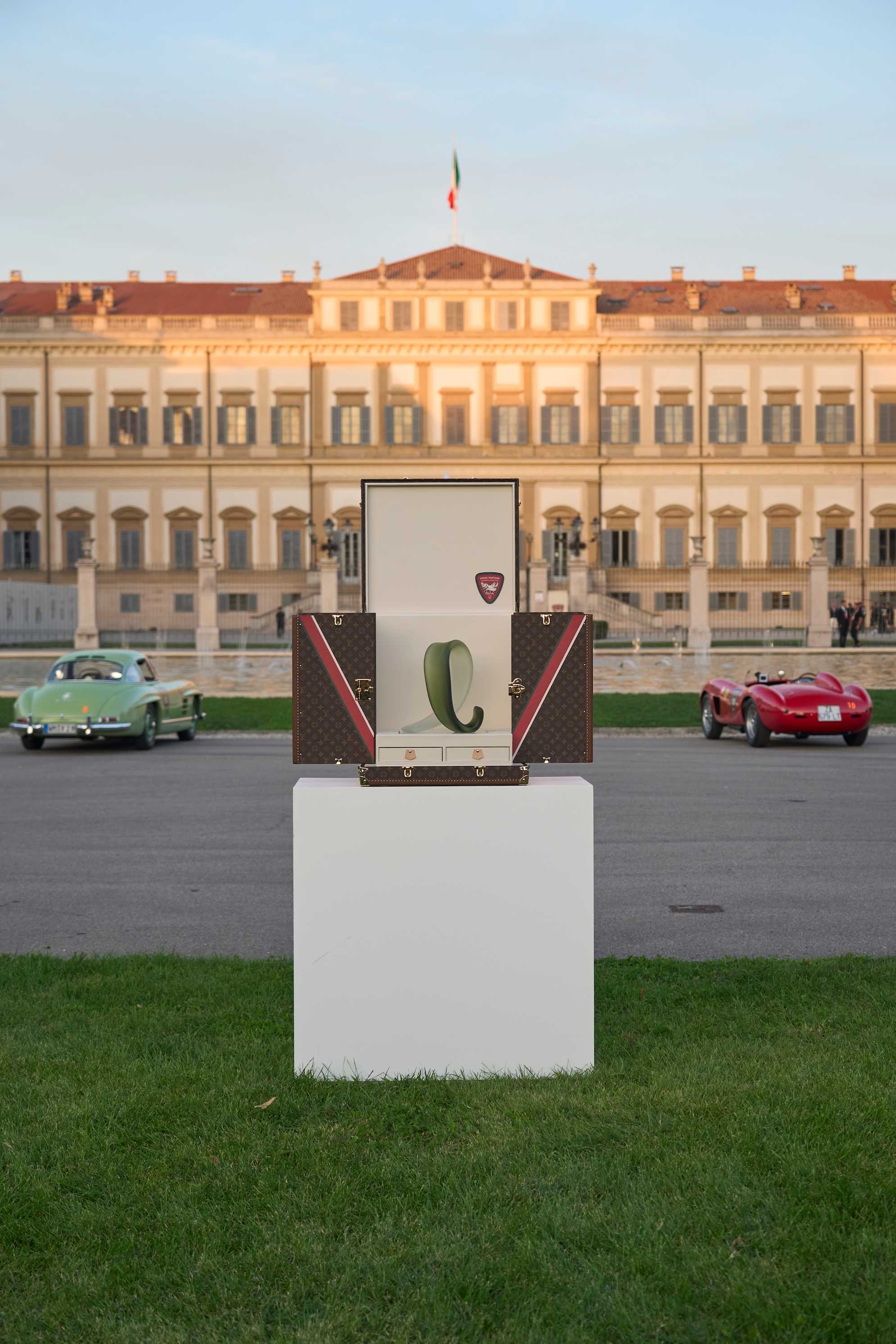
At its center was a dialogue between motion and making. Sabine Marcelis’s trophy, produced in Murano glass by Venini, travelled in a bespoke Monogram canvas trunk handcrafted at the House’s Asnières-sur-Seine workshops. Its Monogram surface, emphatic “V,” traditional lozines, golden brass corners and locks placed contemporary design inside the vocabulary of historic travel. Unveiled at Palazzo Ducale after a performance by Fabio Cherstich, the pairing distilled the rally’s proposition into a single image: heritage not preserved under glass but set in motion.
The final day brought the procession to the Autodromo Nazionale di Monza, where pre-war elegance met the hard edge of Formula 1, before an evening ceremony beneath the vaults of Castello Sforzesco. Gianandrea Redaelli claimed the overall title in a 1939 Aston Martin C-type speed roadster Bertelli, not through outright speed but through the quieter disciplines of regularity, precision and consistency.
That distinction gave the event its particular elegance. The cars were not treated as static relics, but as living expressions of engineering and taste; the landscape was not a backdrop, but a participant. Around them, the restoration of Villa Pisani’s Sala di Bacco, Venetian glassmaking, the artisanal discipline of Fiesso d’Artico and the velocity of Monza formed a continuum of culture, craft and performance. Here, victory belonged as much to the journey as to the finish.