
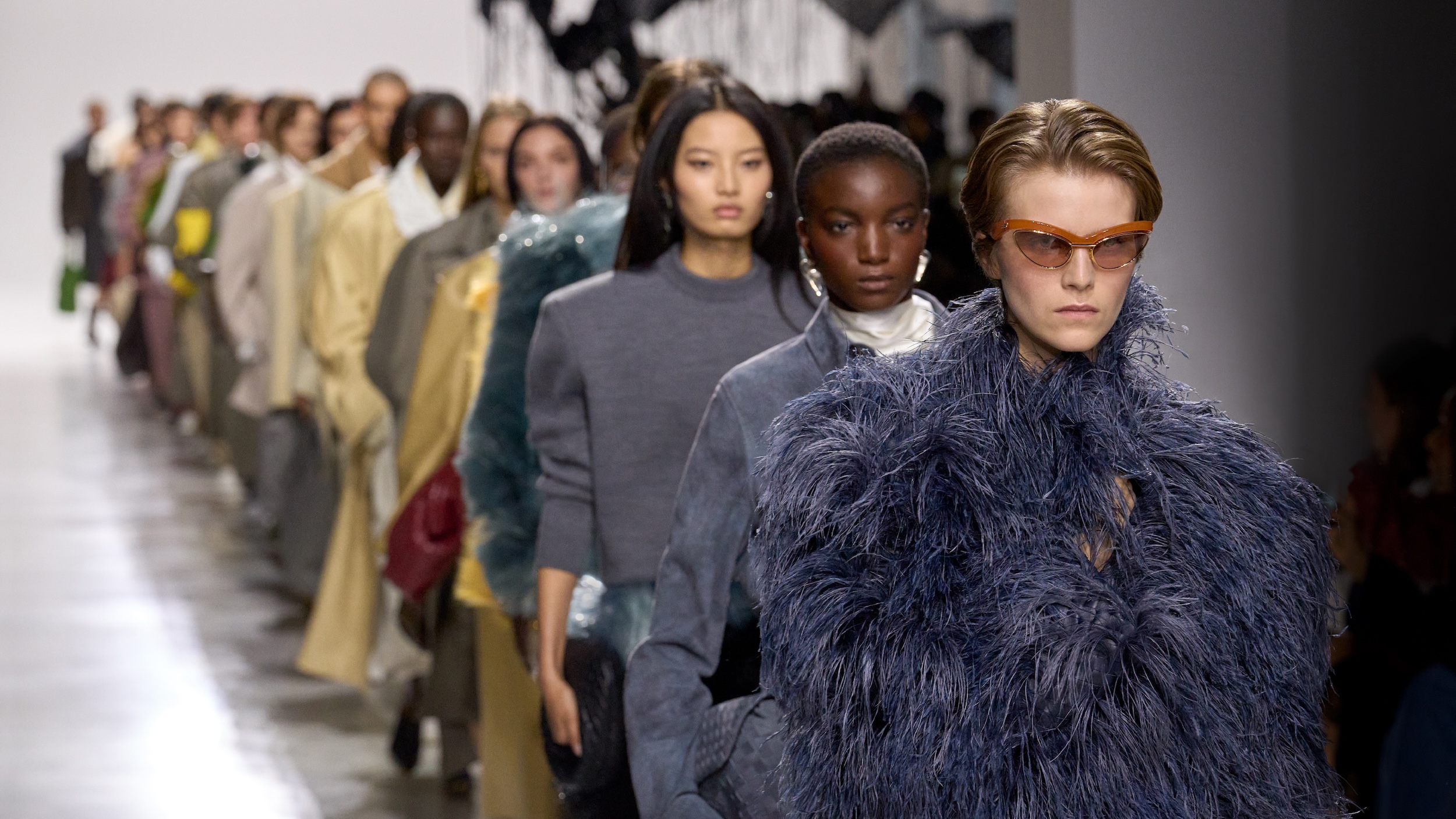
By Louise Daniel
Bottega Veneta is an Italian Maison whose history traces back to 1966 in Vicenza. From the beginning, its founding principle has relied on discreet design and craftsmanship over the loudness of logos—curated craft over compromise. This philosophy has been interpreted through the hands of Tomas Maier, Daniel Lee, and Matthieu Blazy, each sculpting their own vision of Bottega. Now, with the industry’s gaze fixed firmly on her, Louise Trotter presents her debut—Bottega Veneta renewed and amplified through her perspective.
Bottega Veneta has long since transformed into a fashion force—whether leading conversations around quality in luxury or sparking entire cultural zeitgeists. Trotter’s debut was therefore among the most anticipated of the season. Did she disappoint? The answer lies in the 76 stunning looks of the Bottega Veneta Spring/Summer 26 collection, which more than affirmed the strength of her arrival.
Intracciato, Like Never Before
Trotter entered Bottega Veneta with a deep respect for its heritage—a house whose backbone is considered one of the pillars of Italian fashion. To do justice to that weight, one must possess an almost obsessive knowledge of craft. With her impressive history, Trotter understood the preciousness surrounding Bottega. It is no surprise, then, that her journey began with the house’s foundation: the Intrecciato. Developed by co-founder Renzo Zengiaro as a language of “soft functionality,” it is the very DNA of the house.
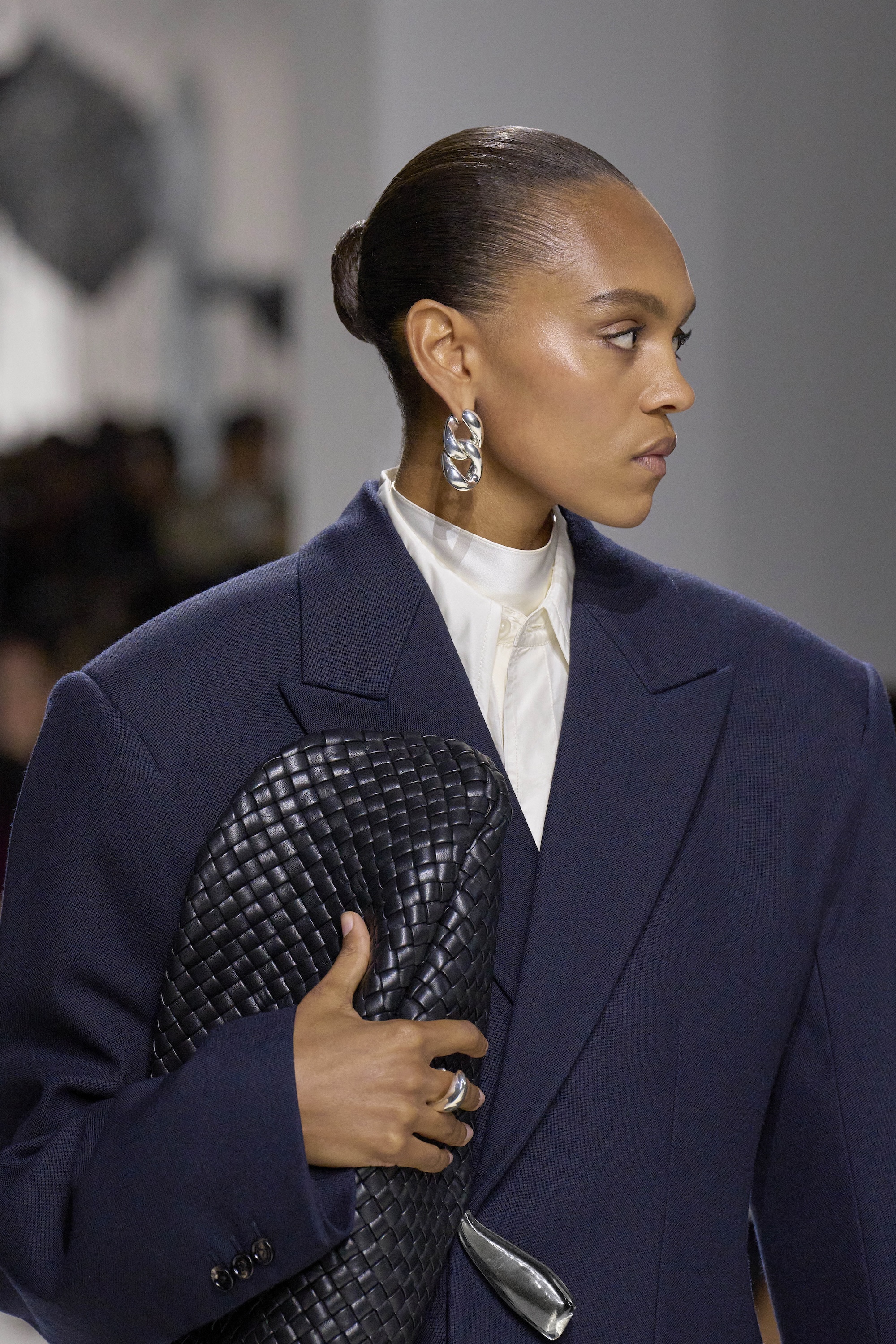
The Intrecciato is more than a technique; it is a language, a symbol of infinite possibility. This season, its potential was explored in a multitude of shapes and scales—woven into belts, coats, bags, full ensembles, and integrated detailing. Subtle yet deliberate, Trotter’s use of the weave did not erase the work of her predecessors but highlighted their history while opening new avenues for reinvention.
Details of the Bottega Veneta Summer 2026 collection (Images courtesy of Bottega Veneta)
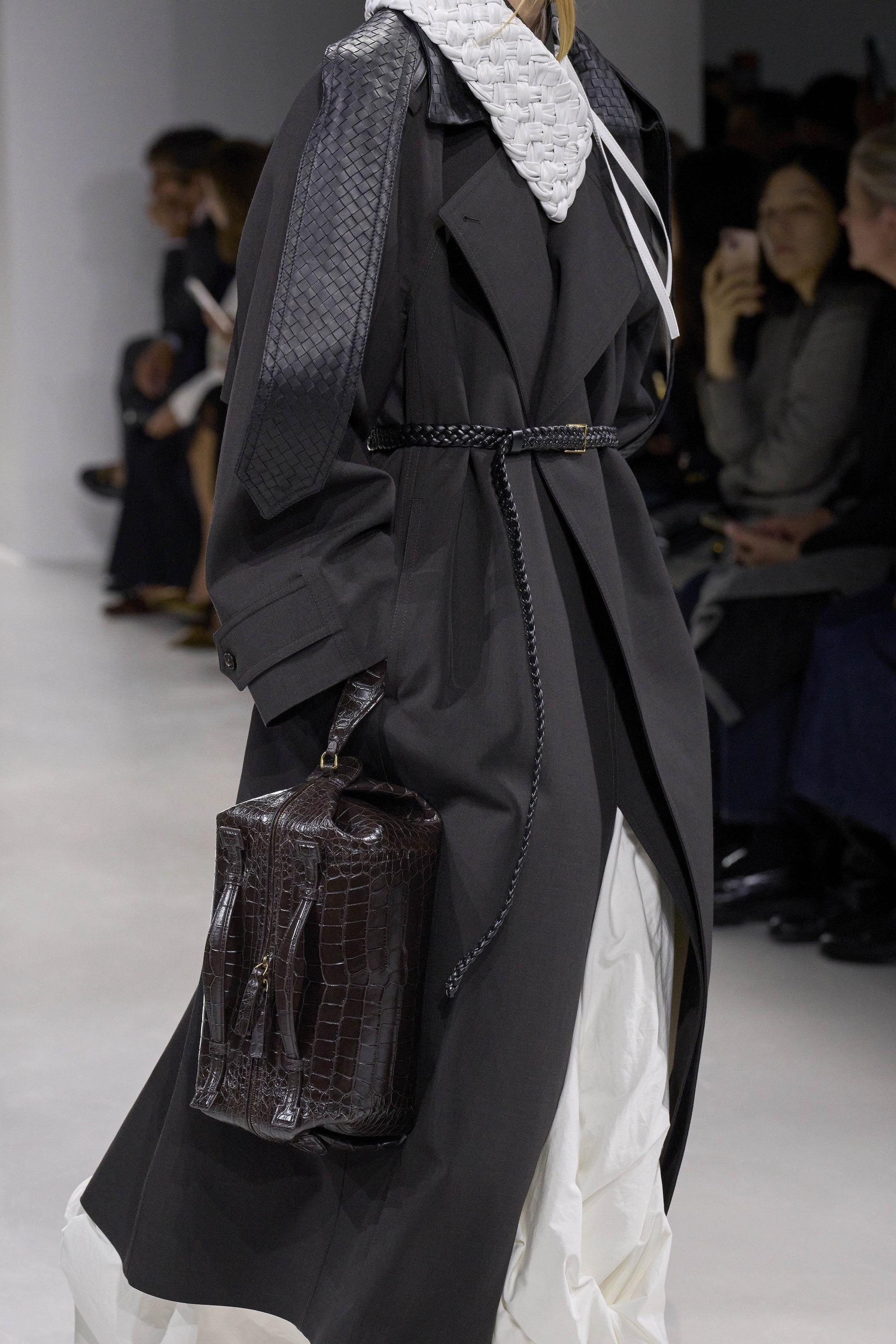
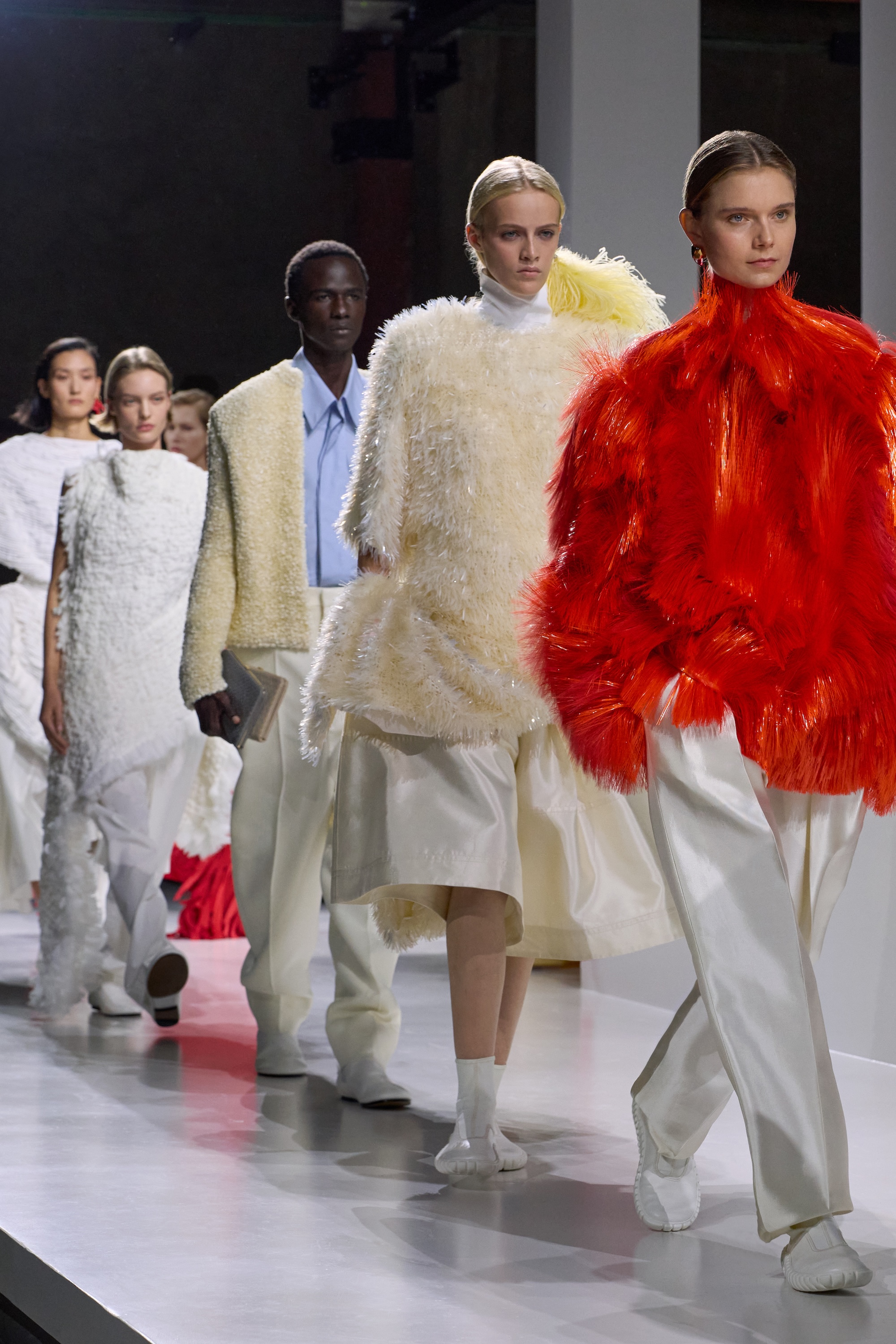
In alignment with the interwoven philosophy of the Intrecciato, Trotter’s debut arrived in time for Bottega’s 60th anniversary. It was a collection where technique married transformation, expressed through intentional execution. Trotter explored the sartorial tension between material and silhouette: tailoring that adapted to both movement and ease, with layering that created a sense of artistic individuality. As seen in Looks 58, 59, 65, 70, and 71—intricately textured tops and skirts, paired with precise trousers and structured, expertly proportioned shirts, formed a collection alive with contrasts. Nappa leather trench coats, an enduring Bottega signature, were given new lightness and breathability, tailored for summer.
Bottega Veneta Summer 2026: Looks 58, 59, 65, 70, 71 (Images courtesy of Bottega Veneta)
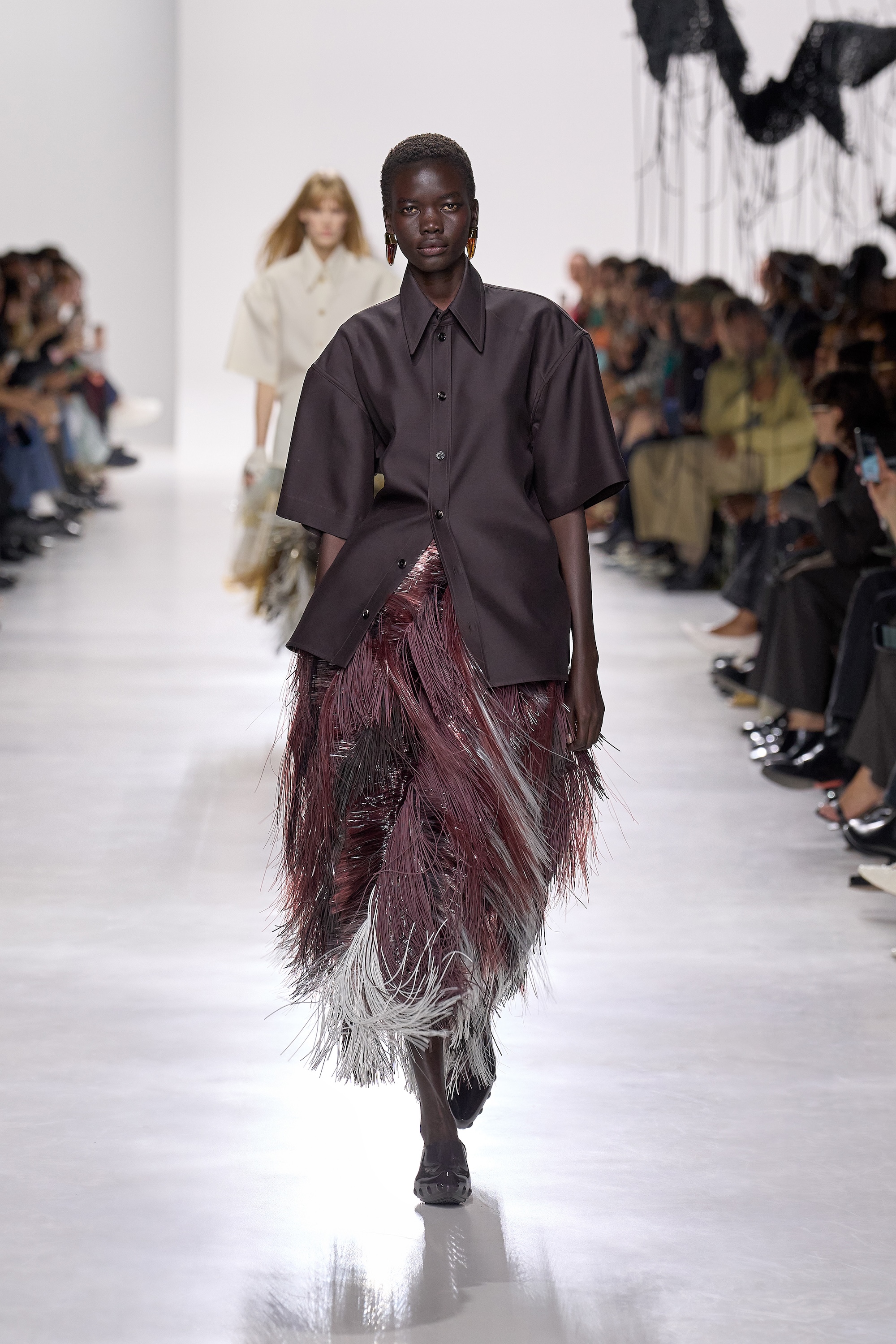
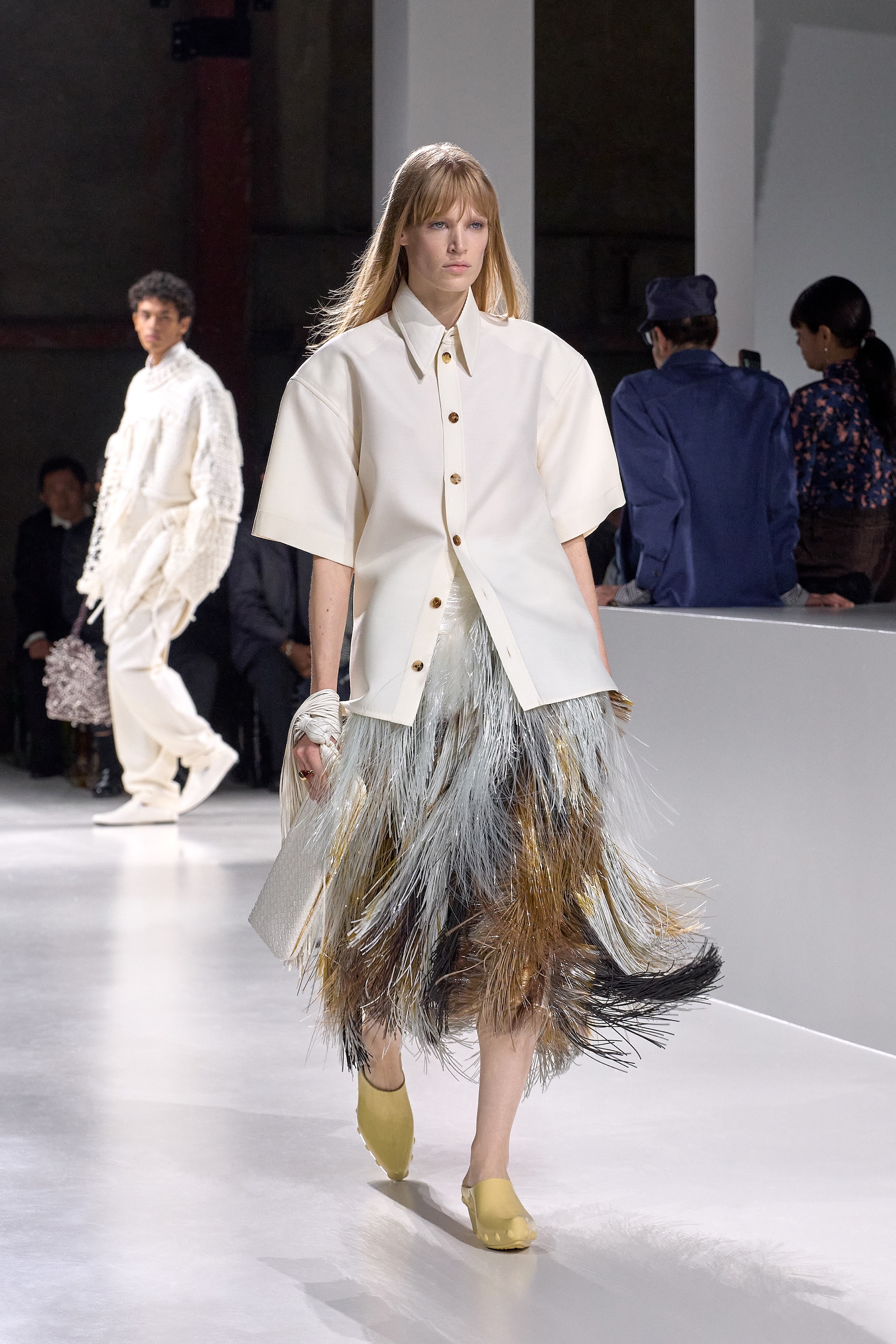
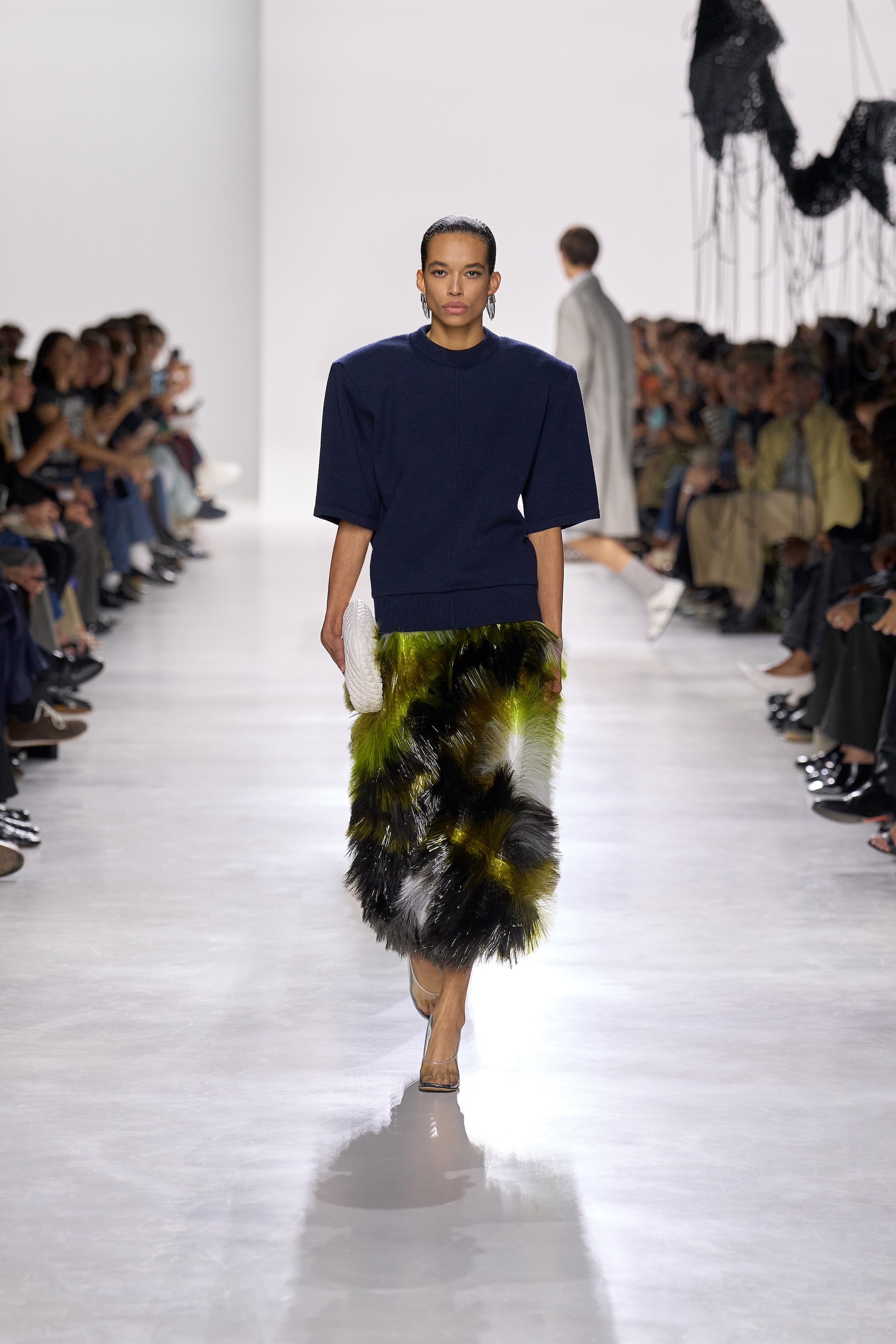
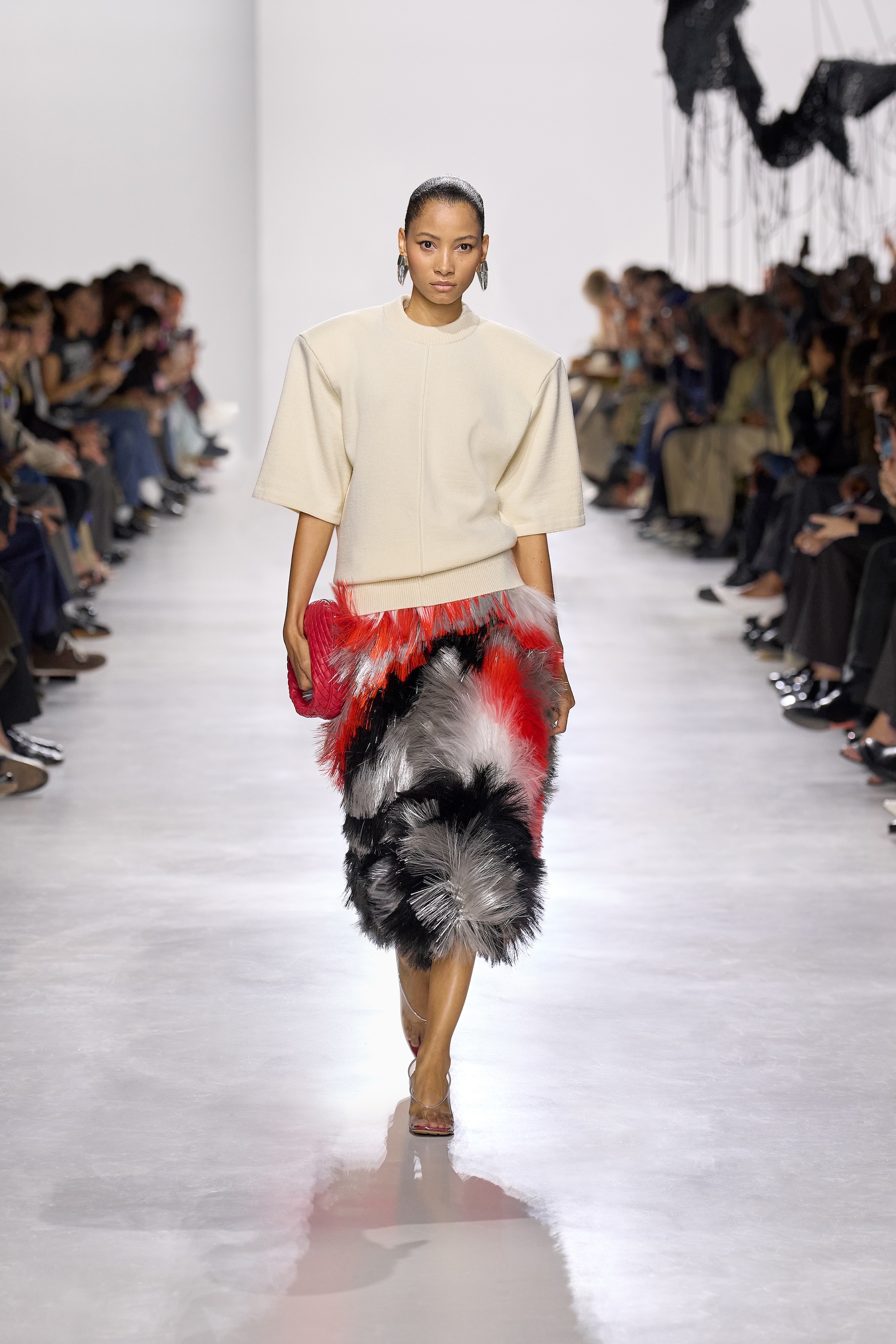
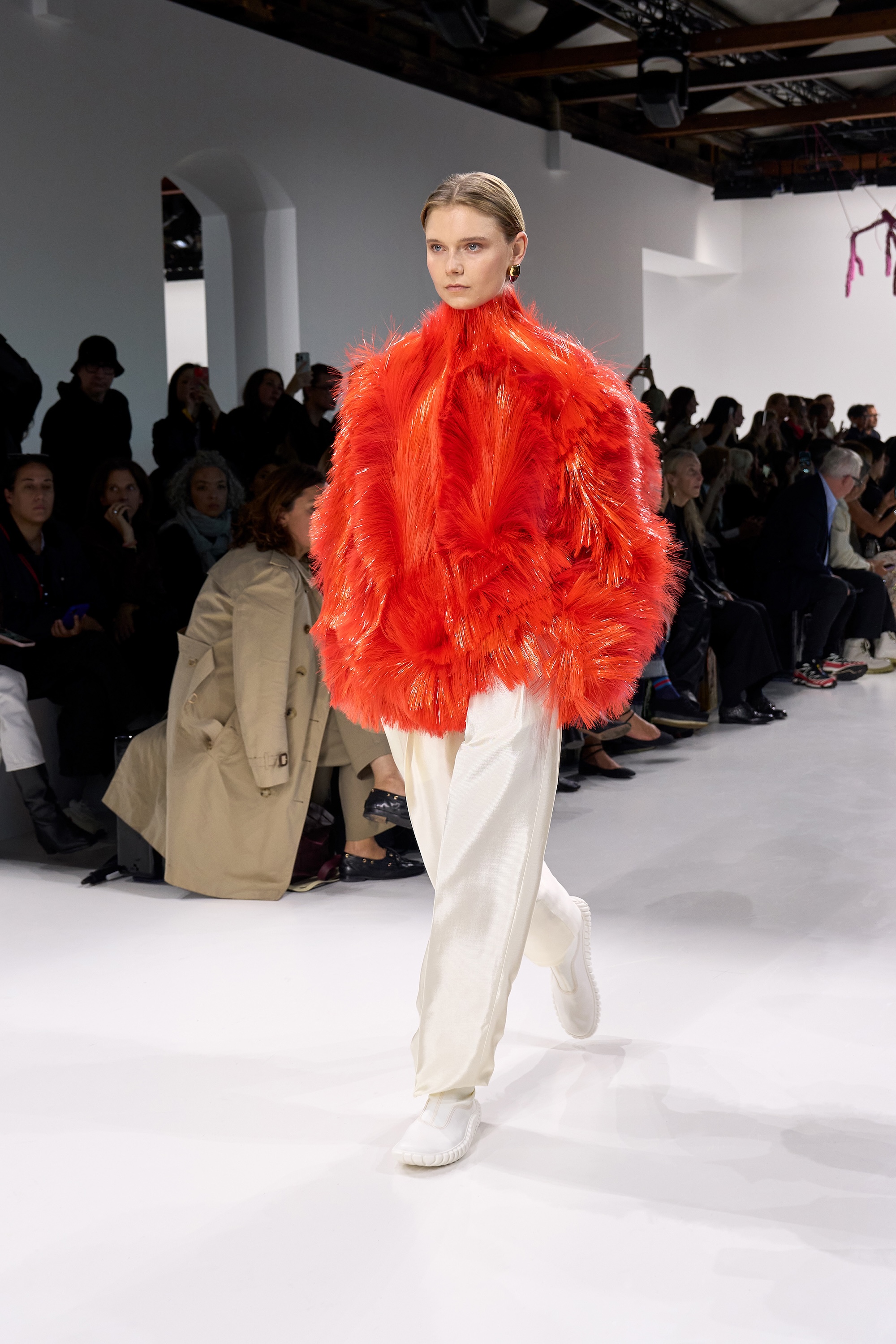
Details of the Bottega Veneta Summer 2026 collection (Images courtesy of Bottega Veneta)
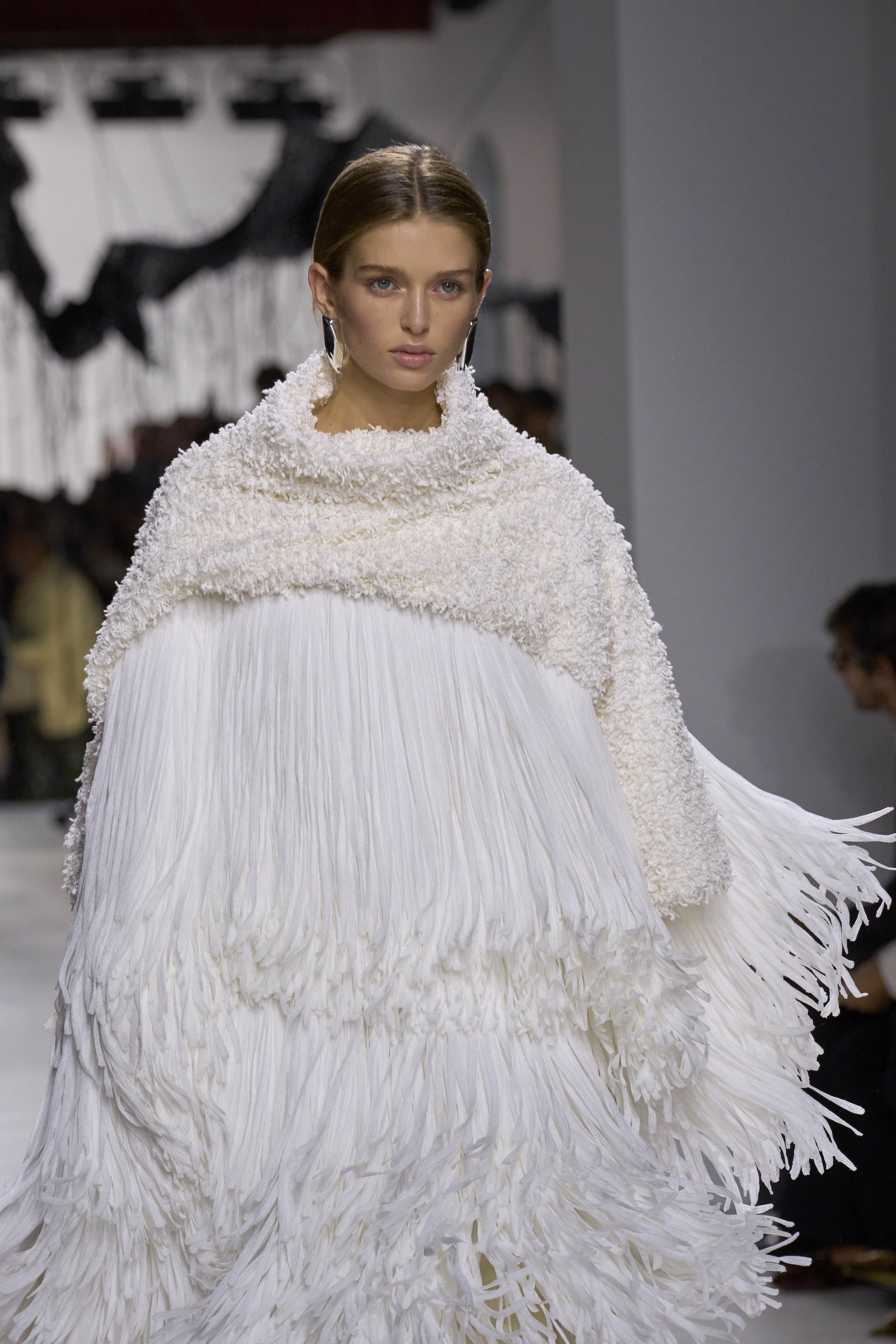
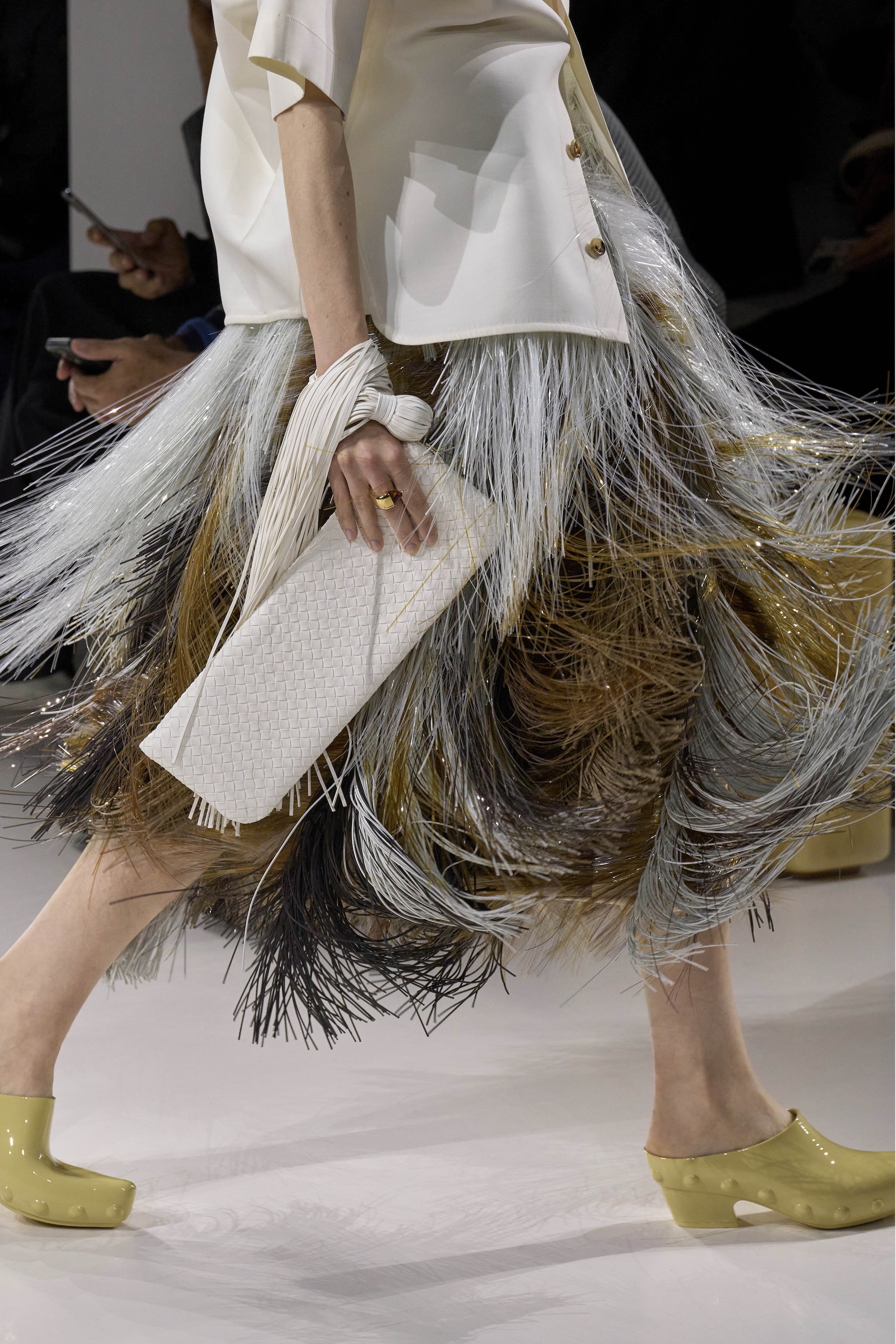
Louise Trotter describes her Bottega Veneta as a workshop. Her vision, though only beginning, rests on the pillars that have always defined the house: people, craft, and the collective love of culture woven into fashion itself. It is, in her words, a place “where the hand and the heart become one.” With this first chapter, Trotter has not only honored Bottega Veneta’s legacy but expanded its language. Her SS26 debut was a statement of continuity and of possibility—an assertion that the house can intentionally marry past and present while defining the future. With such a promising start, Bottega Veneta under Louise Trotter secures its place not only as a leader in Italian fashion, but as a trailblazer on the global stage.