By: June Roberson
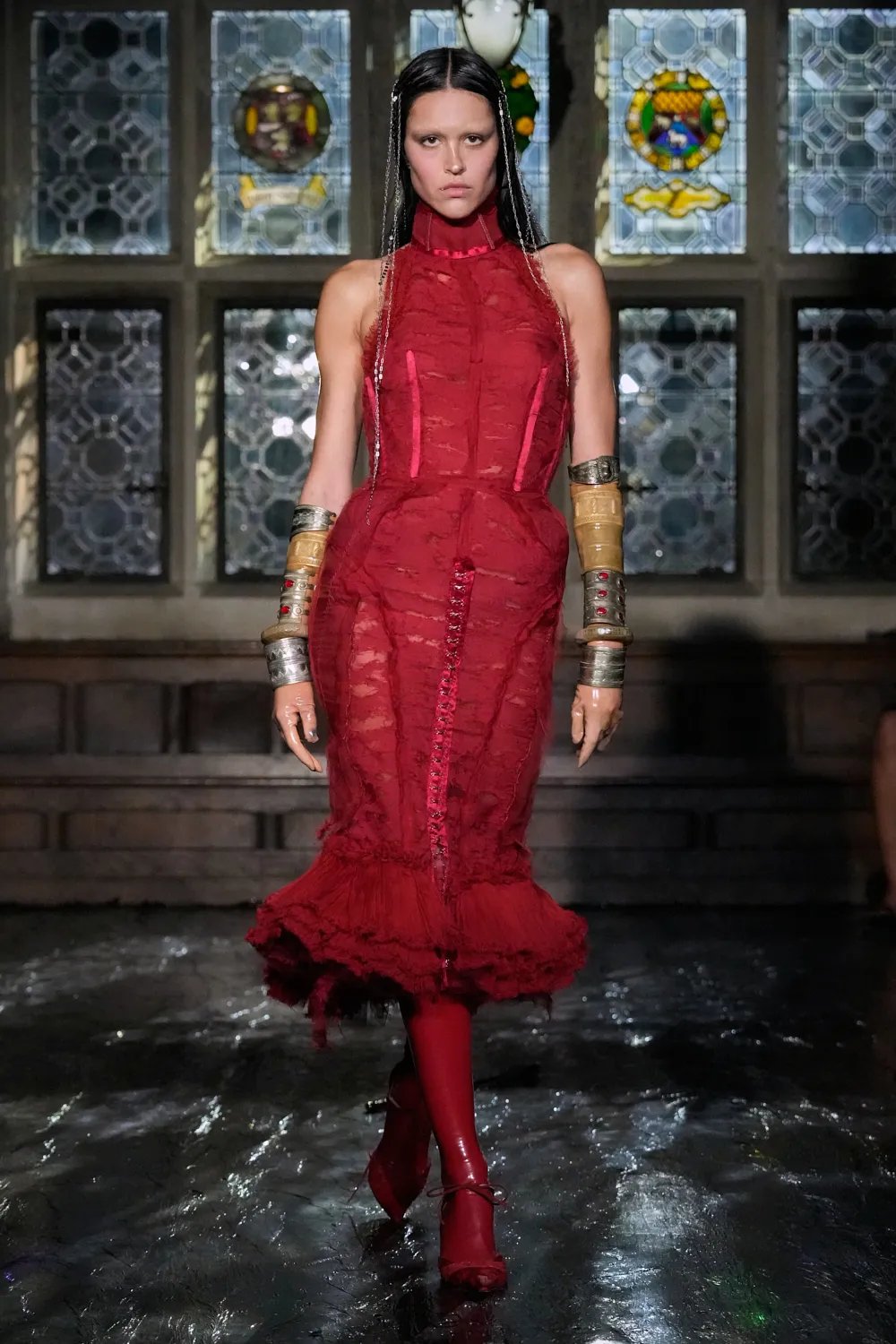
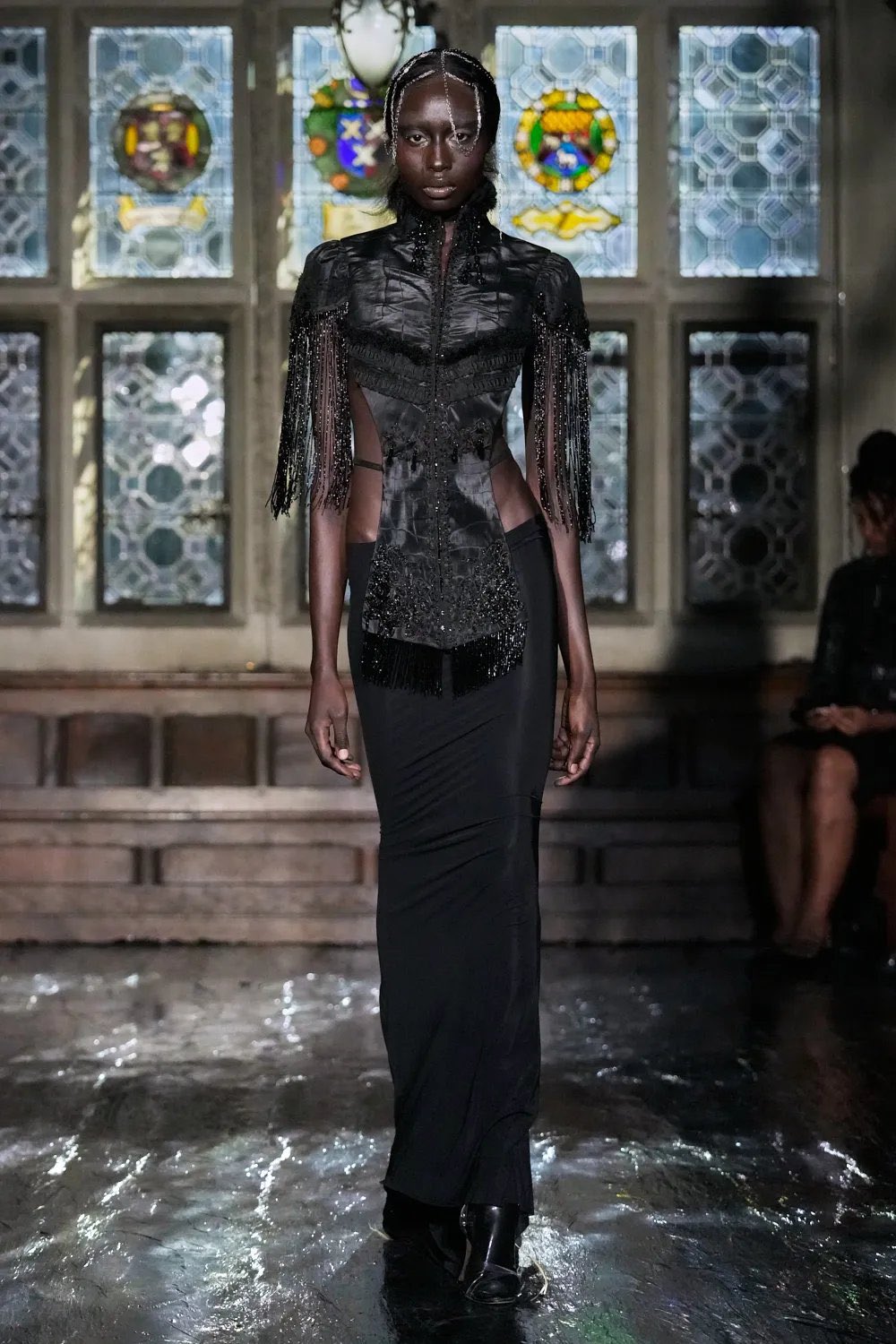
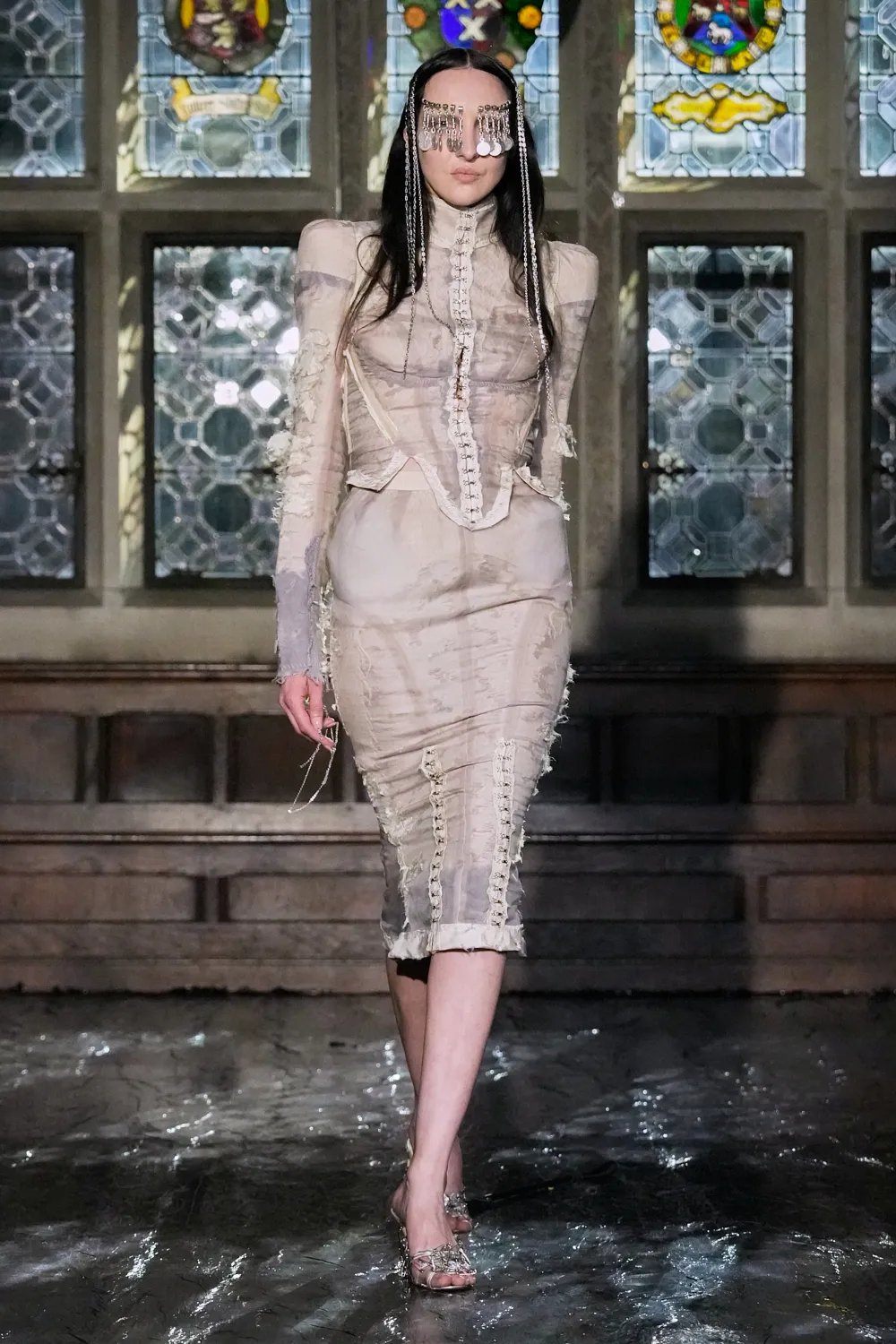
Within the shadowed walls of Ironmongers Hall in east London, the curtain rose on one of London Fashion Week’s most anticipated shows. Dilara Findikoglu’s Spring/Summer 2026 collection “Cage of Innocence” emerged as a display of purity in its filthiest form, not just exploring the female experience, but viscerally defining it. Findikoglu remains no stranger to the uncanny, her collections continuing to revel in irreverence as a woman of women in her truest form. However, the designer's proclivity for provocation and disregard for complacency was apparent long before her rise as one of London’s most acclaimed creatives. It comes as no surprise that the former Margiela prodigé, and her couture-like depictions, have practically upended fashion and cast the conventional into disarray.
Transforming Virtue as a Vice
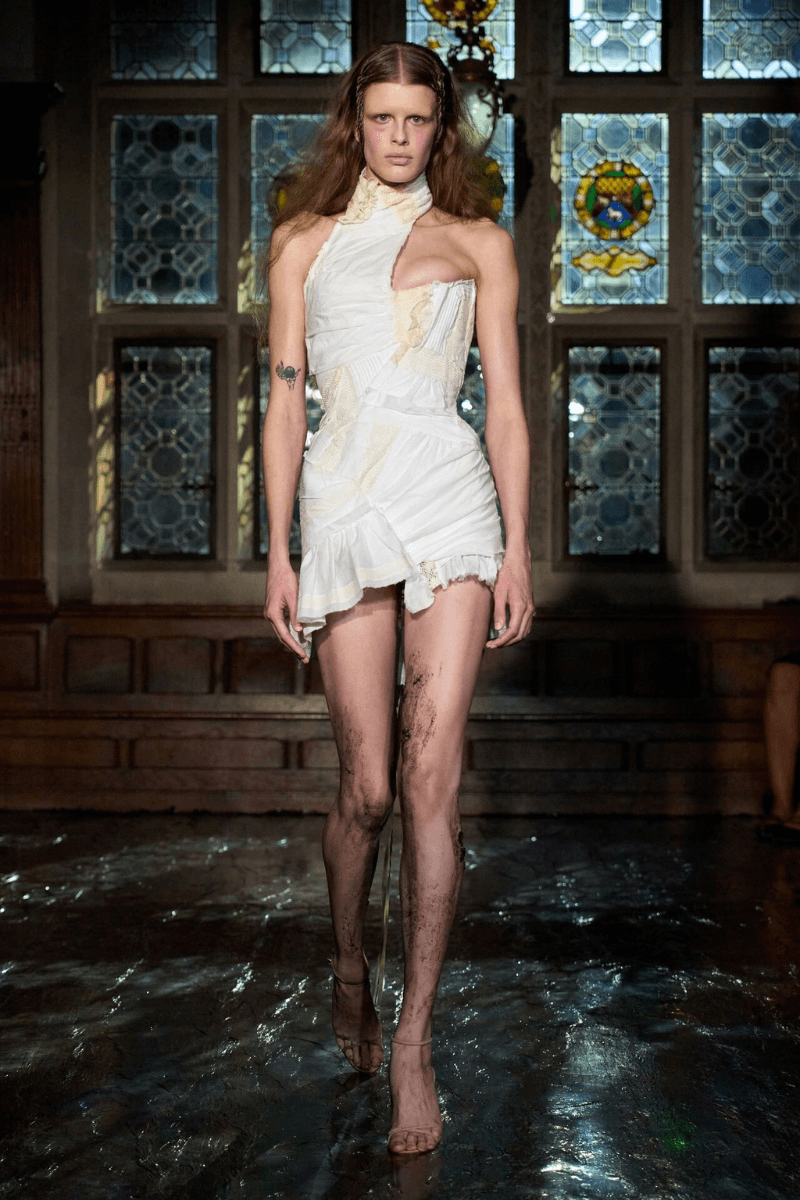
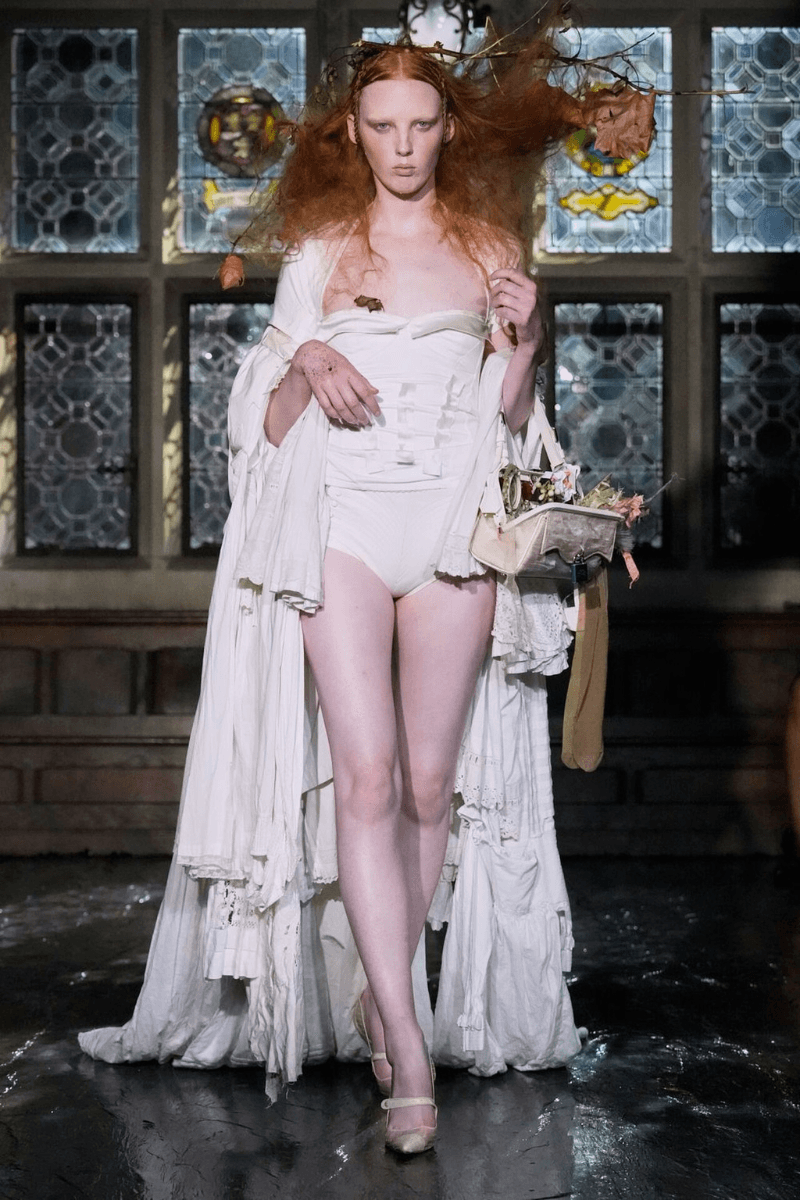
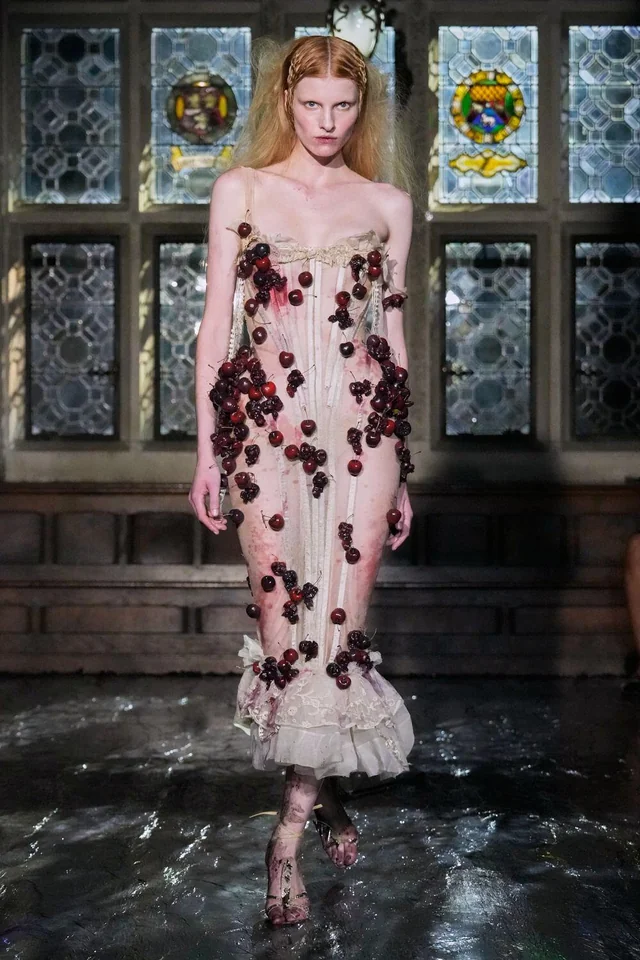
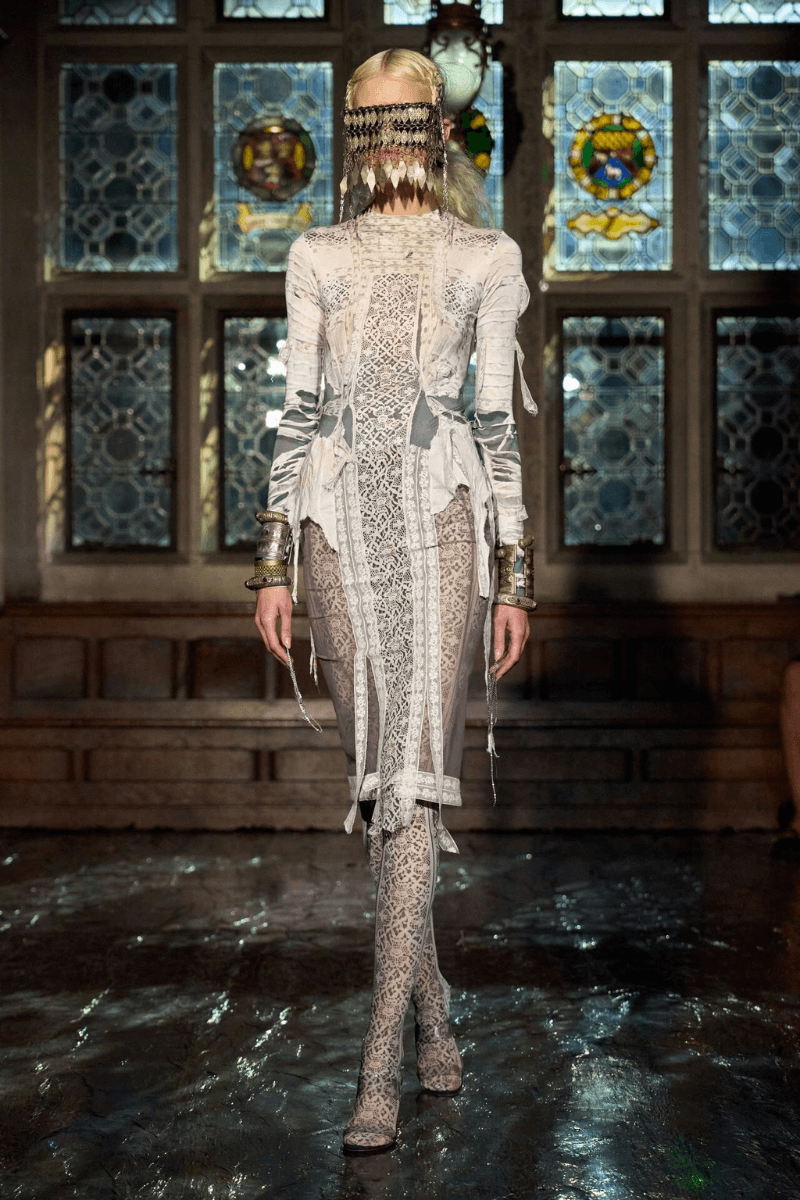
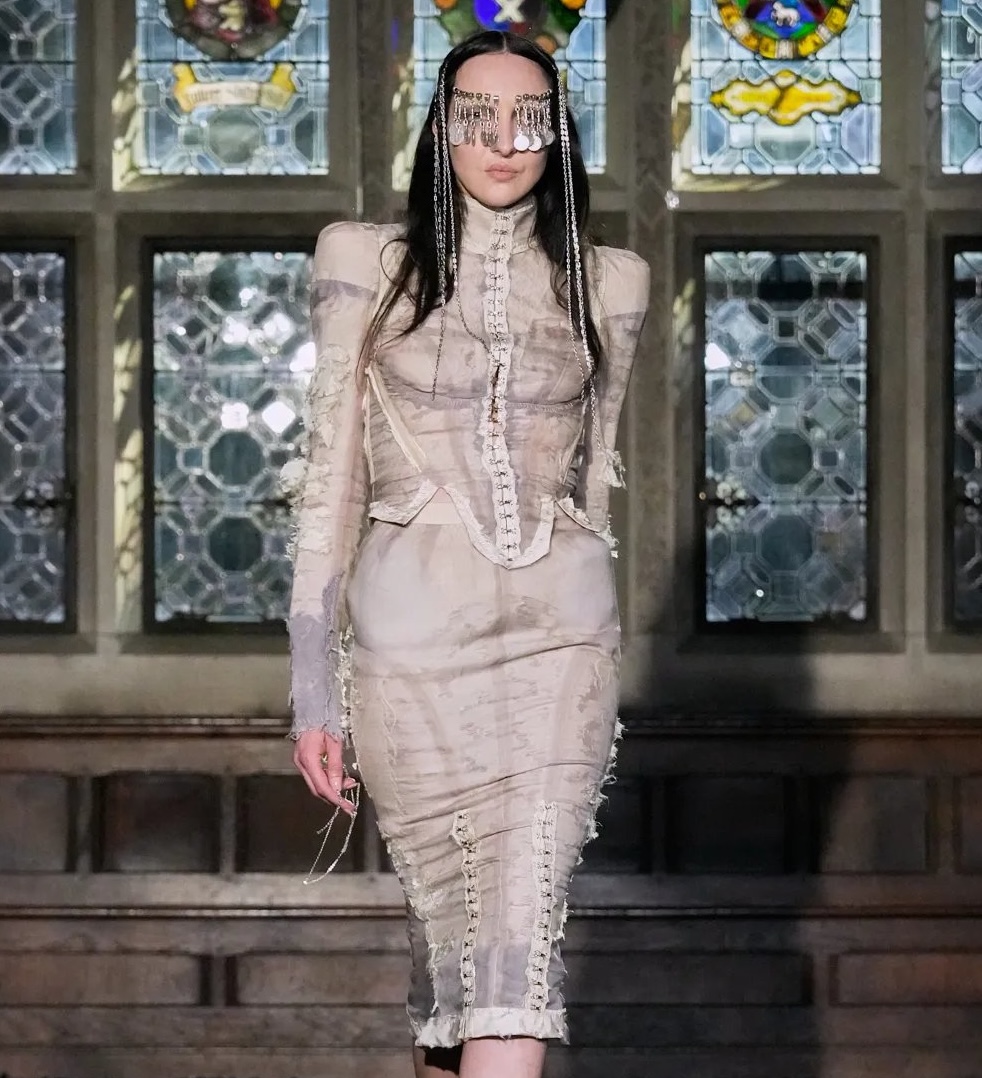
Shackled beneath metallics and restrained by distorted corsetry, looks clawed to escape the weight of religious and sacrificial burden. Historically symbolic of virginity, chastity, and innocence as a virtue, ivory white garments became tattered, torn, and reconstructed as defiant. Sporadic strokes of crimson reinforced ritualistic sacrifice, transforming symbols of innocence into emblems of rebellion. Time periods riddled with repression were suddenly repurposed as Victorian undergarments and transparent laces juxtaposed bustiers and bondage cues. An alliance of beautiful vulgarity that flirted with fetish and defied historical, yet persistent, constraints on femininity. Branches ensnared long flowing locks, twisting cosmetic appeal into beauty both feral and disfigured. Cherry and other fruit accents were unmistakably edenic while dirt-stained dresses evoked a desperate escape from this primordial past.
Ready-to-Wear that Walks Like Couture
Further traversing ecclesiastical, medieval, and contemporary codes, one look took the equestrian craze to new lengths as the model herself was restrained by a sensual leather mask whose defining piece featured a horse’s snaffle bit. Models performatively stalked the room, lingering just long enough to unsettle. The display expressed overt distaste for the subdued, arousing both pleasure and discomfort. Amelia Gray and editor Tish Weinstock seemed to have emerged from this netherworld, while Naomi Campbell closed as the show's grand finale. A sartorial departure from innocence as virtue to irreverence as expression, the spectacle condemned a society hell-bent on using shame as suffocation.
No Penance From The Oppressed
Iconography remains one of fashion’s most potent forms of narrative, yet when overdone, it risks drowning in its own drama. As for Dilara, the brand not only refuses to faulter, but feeds on the unrestrained. The show notes describe the collection as a release from inherited pain and a voice for generations of women who were denied one. From her guerilla show staged in defiance at Central Saint Martins to her present-day collections, Findikoglu has carved a path of duality and rebellion, transforming how fashion confronts religion, patriarchy, and a society still fearful of the unfamiliar. Cage of Innocence strips women of expectation, both ornamental and ancestral. It is an antithesis to obedience, and another defining nail in Dilara’s confessional coffin.