By Patricia Burén
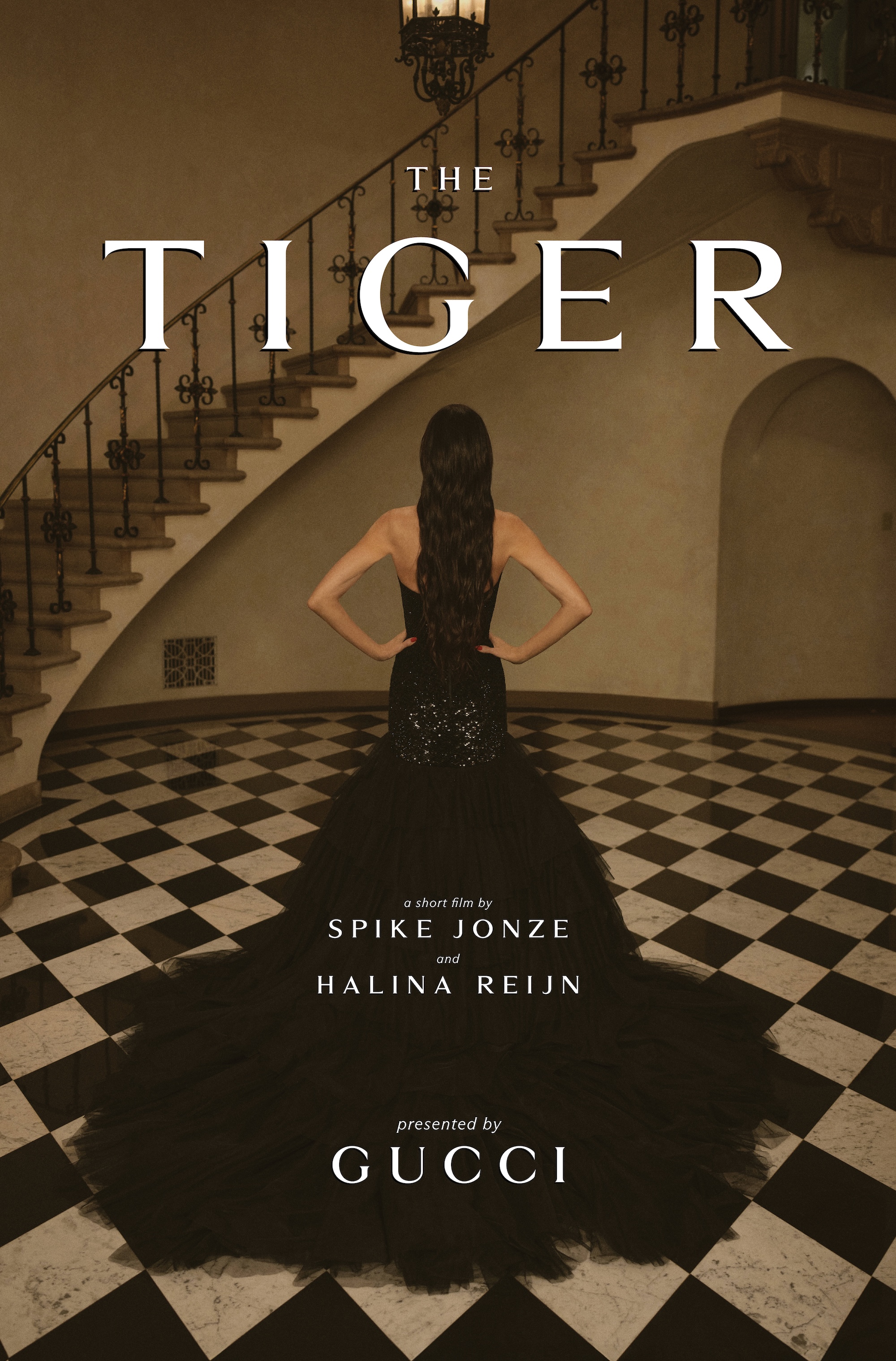
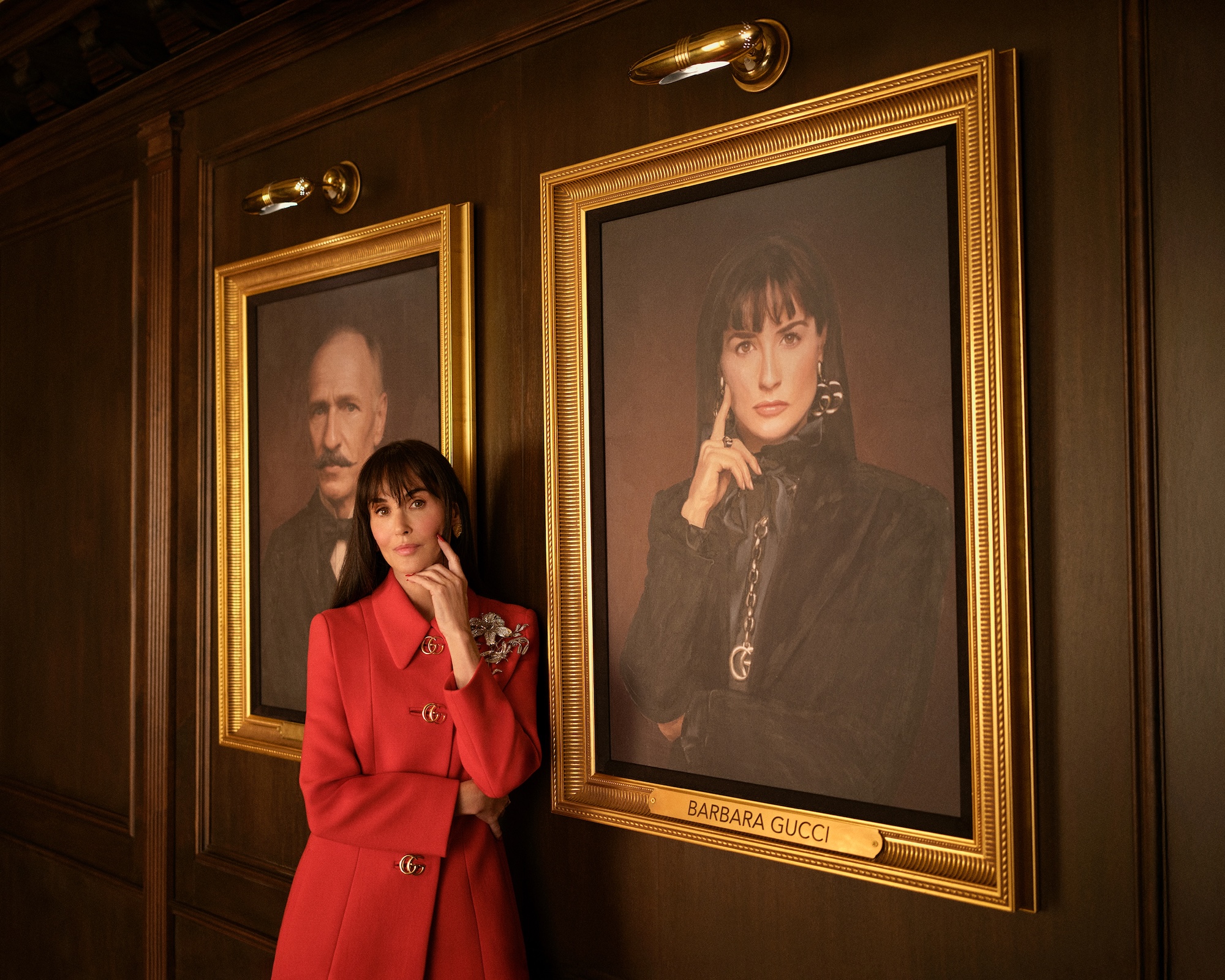
Yesterday, Gucci unveiled The Tiger, an unsettling short film co-directed by Spike Jonze and Halina Reijn to mark Demna’s debut at the house. The story circles around Barbara Gucci (played by Demi Moore), a matriarch whose carefully staged birthday gathering spirals into cracks of power, performance, and unease. The narrative functions less as linear plot than as atmosphere — an operatic tableau where family, legacy, and image unravel over the course of a dinner.
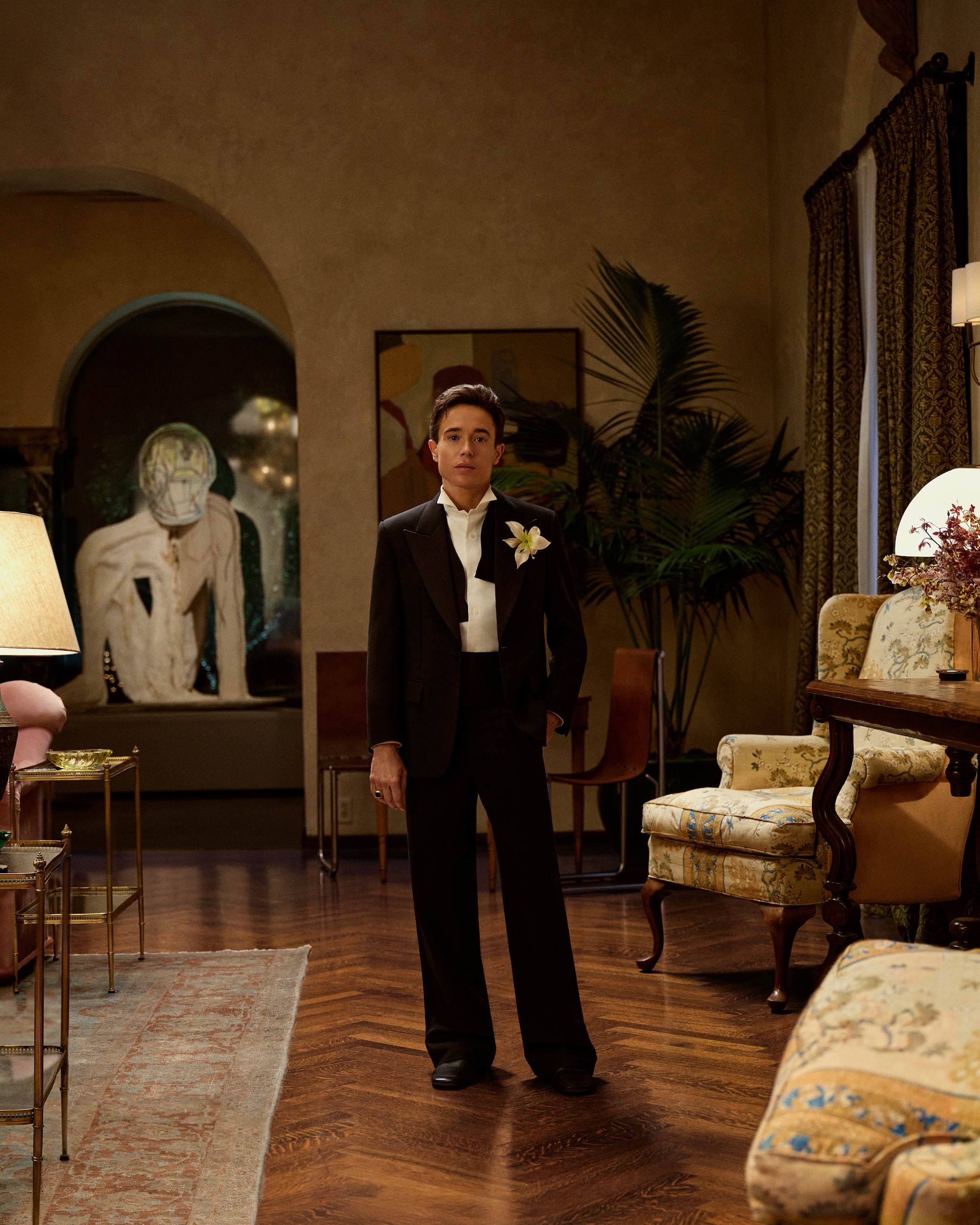
What truly holds the film together is the clothing, which steps forward as a character in its own right. Barbara’s arrival in a blood-red collared coat with a dramatic floral brooch signal authority and inheritance, while later she presides in a sculpted floral gown that feels almost architectural, wallpaper turned regal. Around her, the ensemble reflects archetypes through dress: Keke Palmer in a frothy pink gown, Elliot Page in a sharply tailored tuxedo, Edward Norton in somber tailoring. Kendall Jenner closes the circle in a glittering feathered gown — part showgirl, part goddess — a deliberate wink at Gucci’s glamorous, decadent past. Close-ups and dreamlike underwater shots linger on embroidery, beadwork, diaphanous layers, and details that carry as much narrative weight as dialogue.
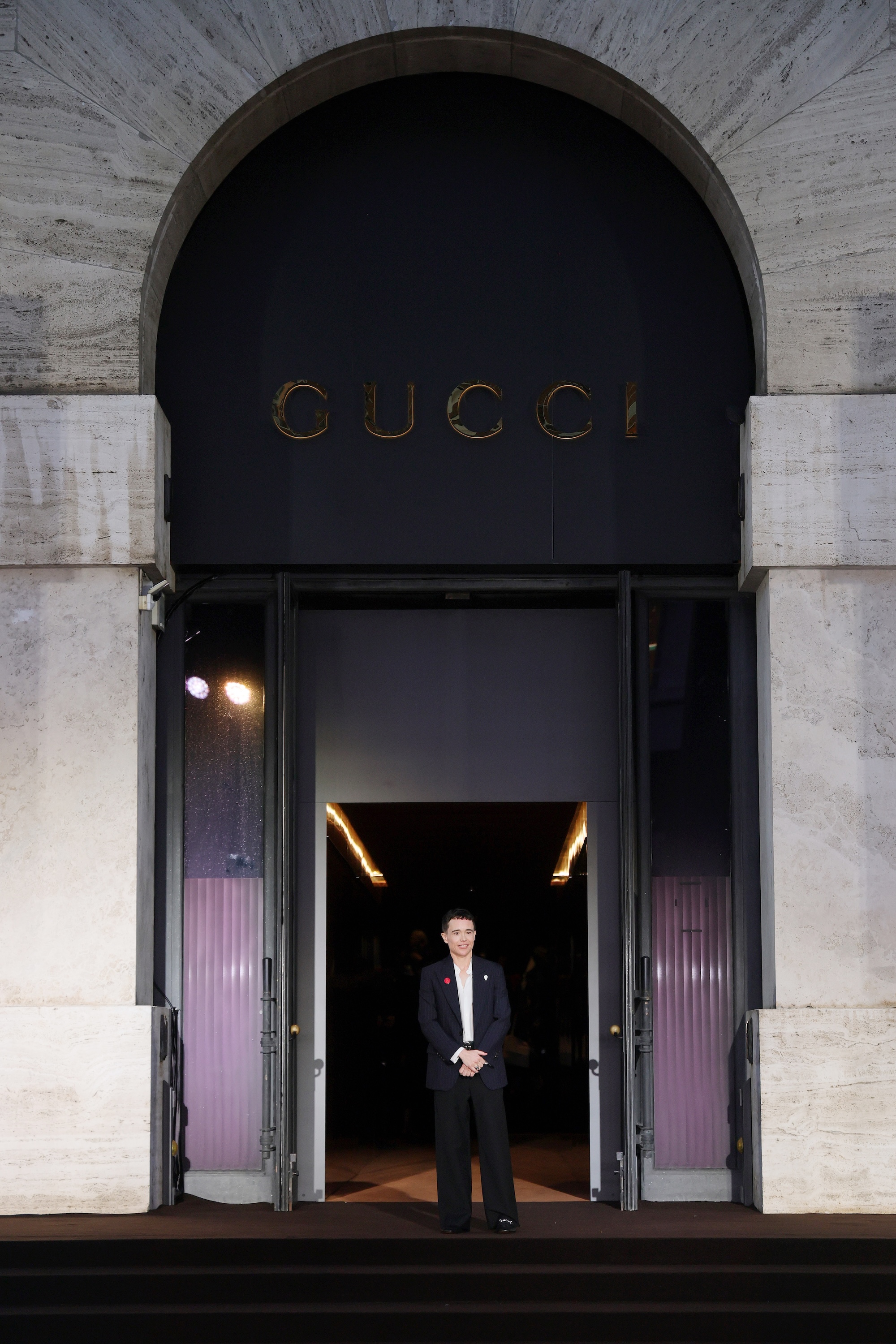
Elliot Page and Gwenyth Paltrow arrive to the premier of Gucci's 'The Tiger,' directed by Spike Lee (Images courtesy of Gucci)
-1758822220605.jpg) This conversation with the archive is not new. Alessandro Michele, Tom Ford, and before them Frida Giannini all revived Gucci’s famous Flora motif and twisted it into their own language. I was particularly compelled by Frida’s reimagination of those flowers when she brought them back on purses and shoes. I still reach for those pieces today, especially when I want to channel the Milanese woman — a woman defined by allure and class, independent of age or trend. Italians excel at this continuity of elegance. The question now is which pieces from Demna’s Gucci will earn that same longevity, becoming staples, I’ll return to not just for novelty but for permanence.
This conversation with the archive is not new. Alessandro Michele, Tom Ford, and before them Frida Giannini all revived Gucci’s famous Flora motif and twisted it into their own language. I was particularly compelled by Frida’s reimagination of those flowers when she brought them back on purses and shoes. I still reach for those pieces today, especially when I want to channel the Milanese woman — a woman defined by allure and class, independent of age or trend. Italians excel at this continuity of elegance. The question now is which pieces from Demna’s Gucci will earn that same longevity, becoming staples, I’ll return to not just for novelty but for permanence.
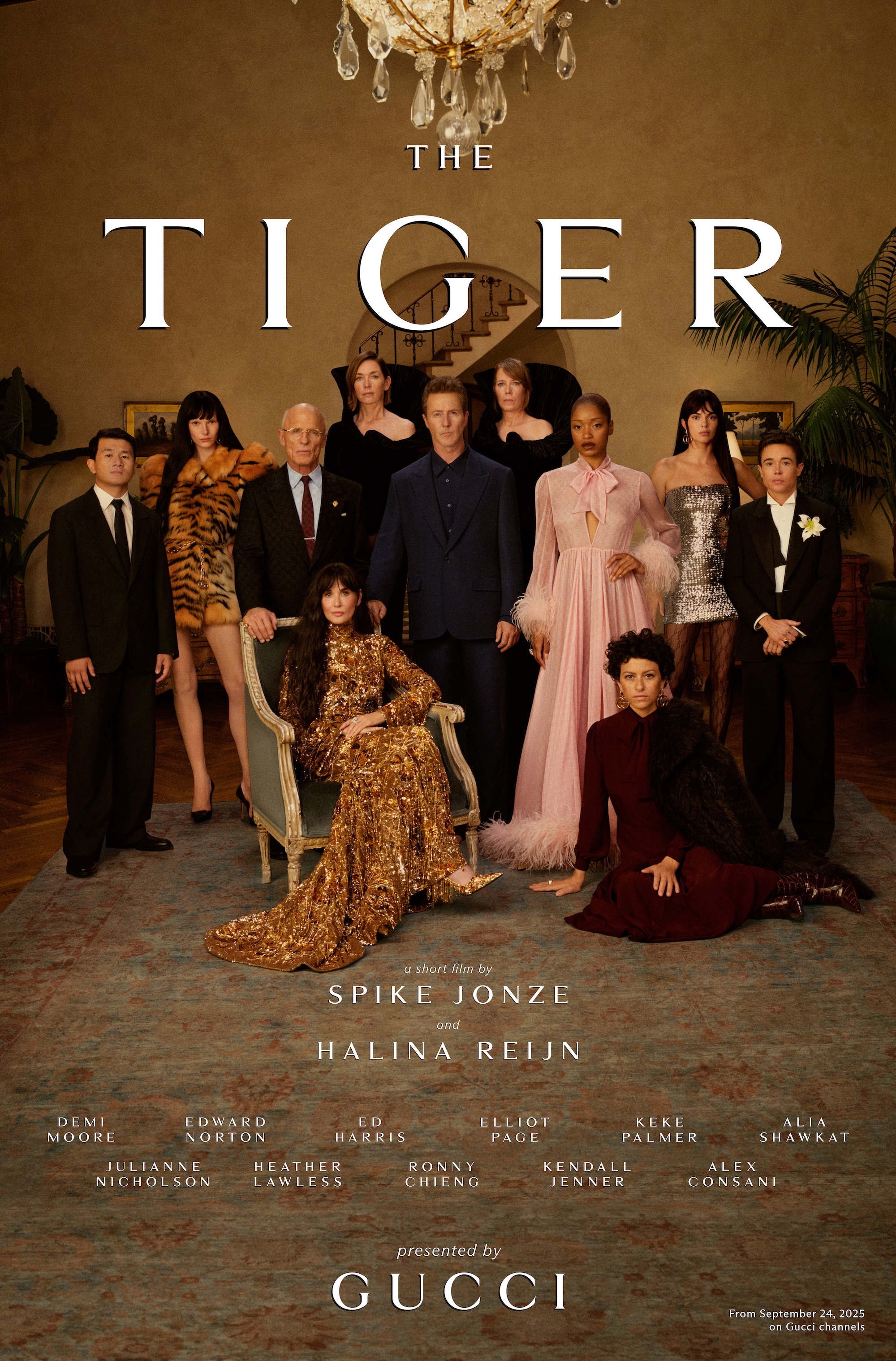 Demna’s approach, however, is already marked by difference. What stands out in The Tiger is not a nostalgic revival but the staging of tension. Florals appear as confrontation, feathers as armor, glamour reframed as fracture. To begin reading his Gucci, we should remember what he achieved at Balenciaga: radical silhouette distortions, ironic streetwear hybrids, a willingness to provoke rather than flatter. At Balenciaga, he asked what heritage means when placed under pressure. That framework may offer small clues to what lies ahead for Gucci — or at least one would hope.
FIlm stills from 'The Tiger' feature looks from Demna's' debut collection for the House (Imagery courtesy of Gucci)
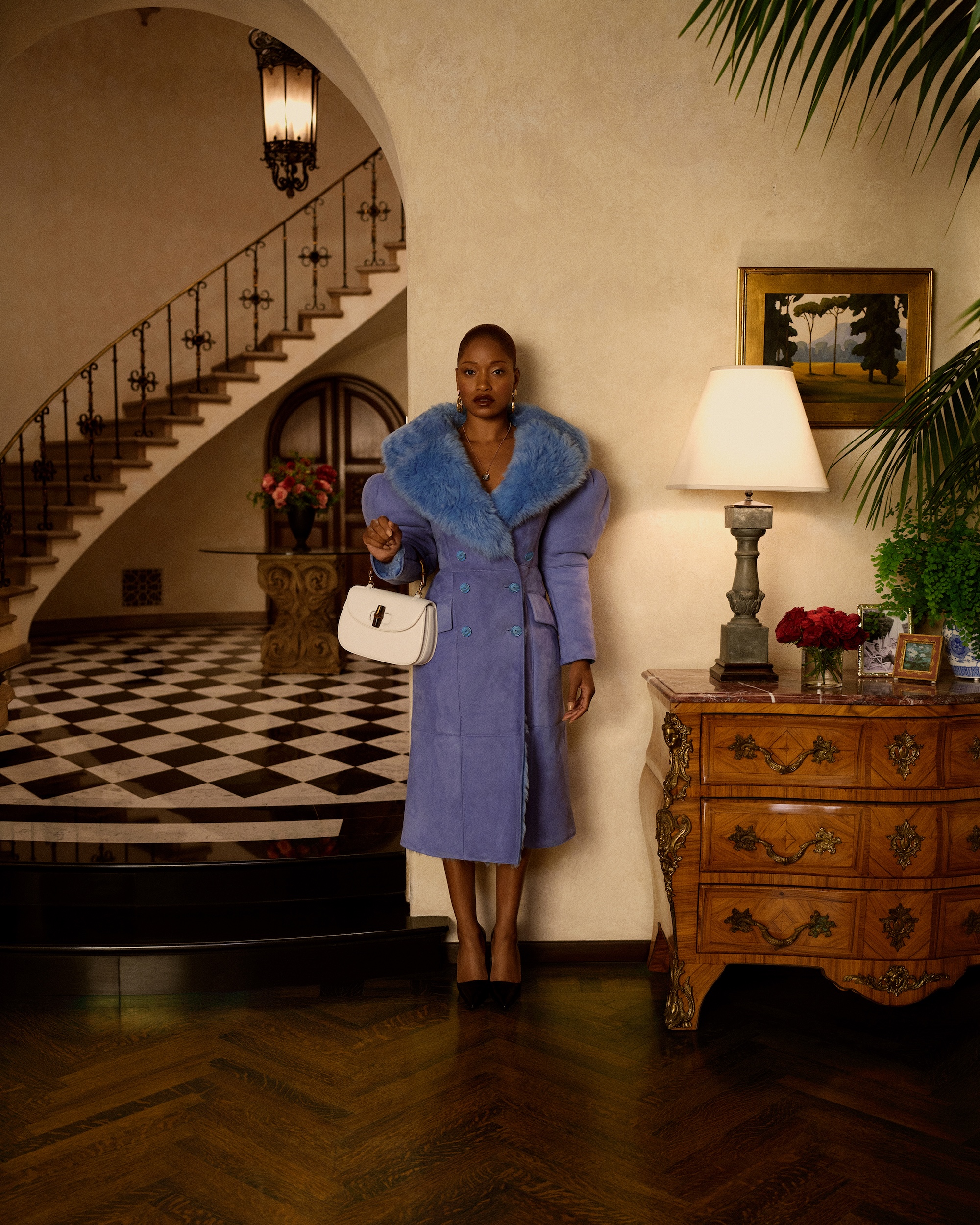
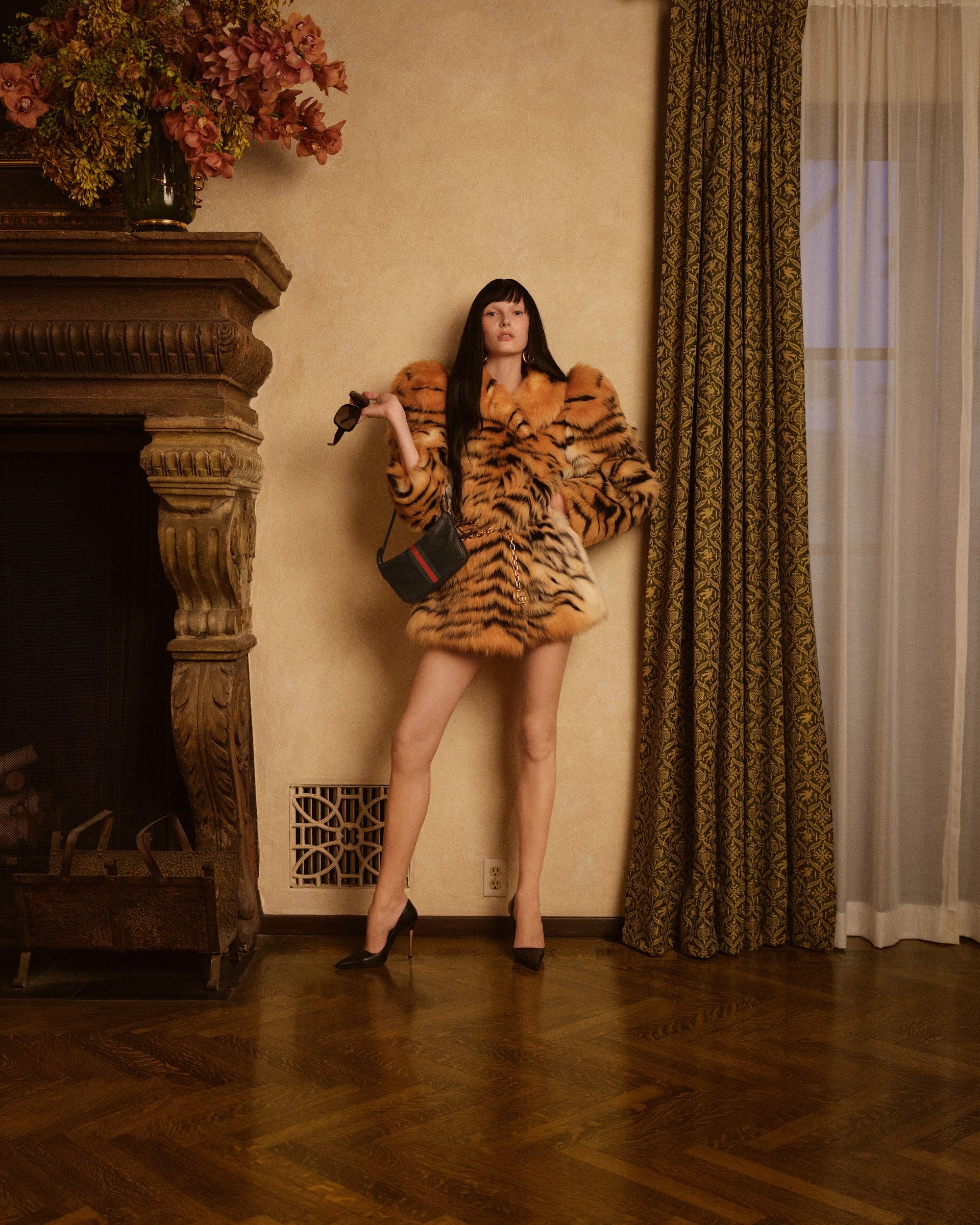
 The Tiger under this light feels like a first act — the moment when Demna asserts his voice without yet offering answers. It is a film of discomfort more than reassurance, a signal that Gucci’s future will not be built on safe archival romance but on disruption, reinterpretation, and narrative. Whether this becomes a true reinvention of the house remains to be seen. But in retrospect, we may look back on The Tiger as the starting point of a new Gucci: one where history is not merely remembered but reimagined, where legacy collides with fracture, and where the clothes themselves speak louder than words. And finally… Demma teases us... to ask ... is he the tiger? ... time will tell….