
By Mark Benjamin
Occupying a distinguished chapter in the canon of British dress, Kent & Curwen traces its origins to collegiate ties with Oxford and Cambridge universities. Initially supplying their clubs and colleges with quintessentially British cricket jumpers, sporting knits, and institutional uniforms, the heritage brand also dressed the Wimbledon Championships before expanding into menswear, womenswear, and accessories. For much of its history, Kent & Curwen has been celebrated for its formal yet playful designs, often marked by a subtle hint of rebellion. As it marks its centenary, the Autumn/Winter 2026 collection fully explores this central tension between reverence and rebellion.
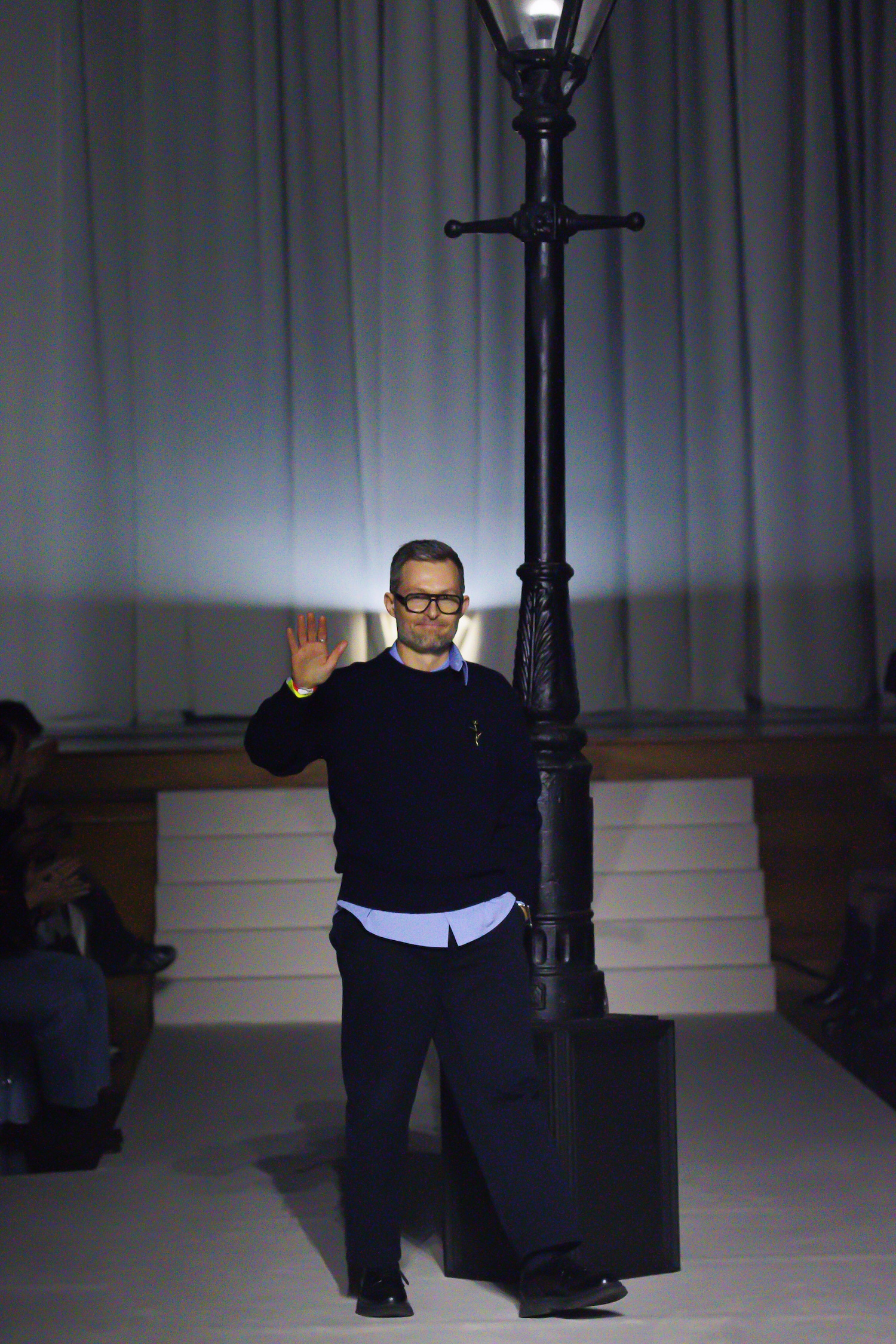
Kent & Curwen Creative Director Daniel Kearns takes a bow following the presentation of the Autumn/Winter 2026 collection at Westminster School in London. Courtesy of Kent & Curwen.
Shown within the Dean's Yard of Westminster School in London, Creative Director Daniel Kearns brought tradition into the present moment with a notable front row including British actor Hero Fiennes-Tiffin, alongside William Franklyn‑Miller, Emma Appleton, Chinese performer and brand ambassador Xin Liu, Kevin and Karlon Bonsu, actor Jack Fox, and fashion influencer Fei Zhuang.
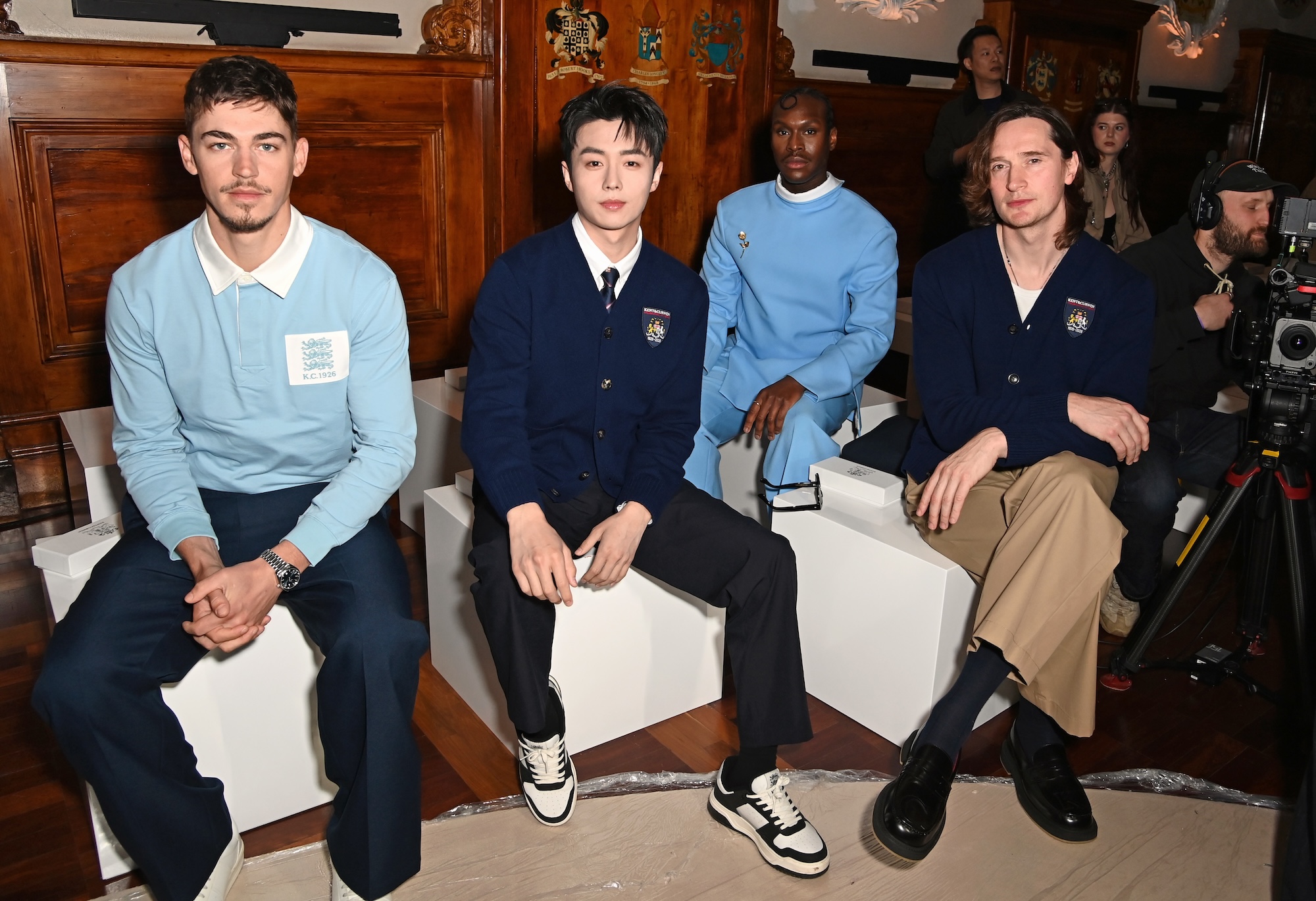
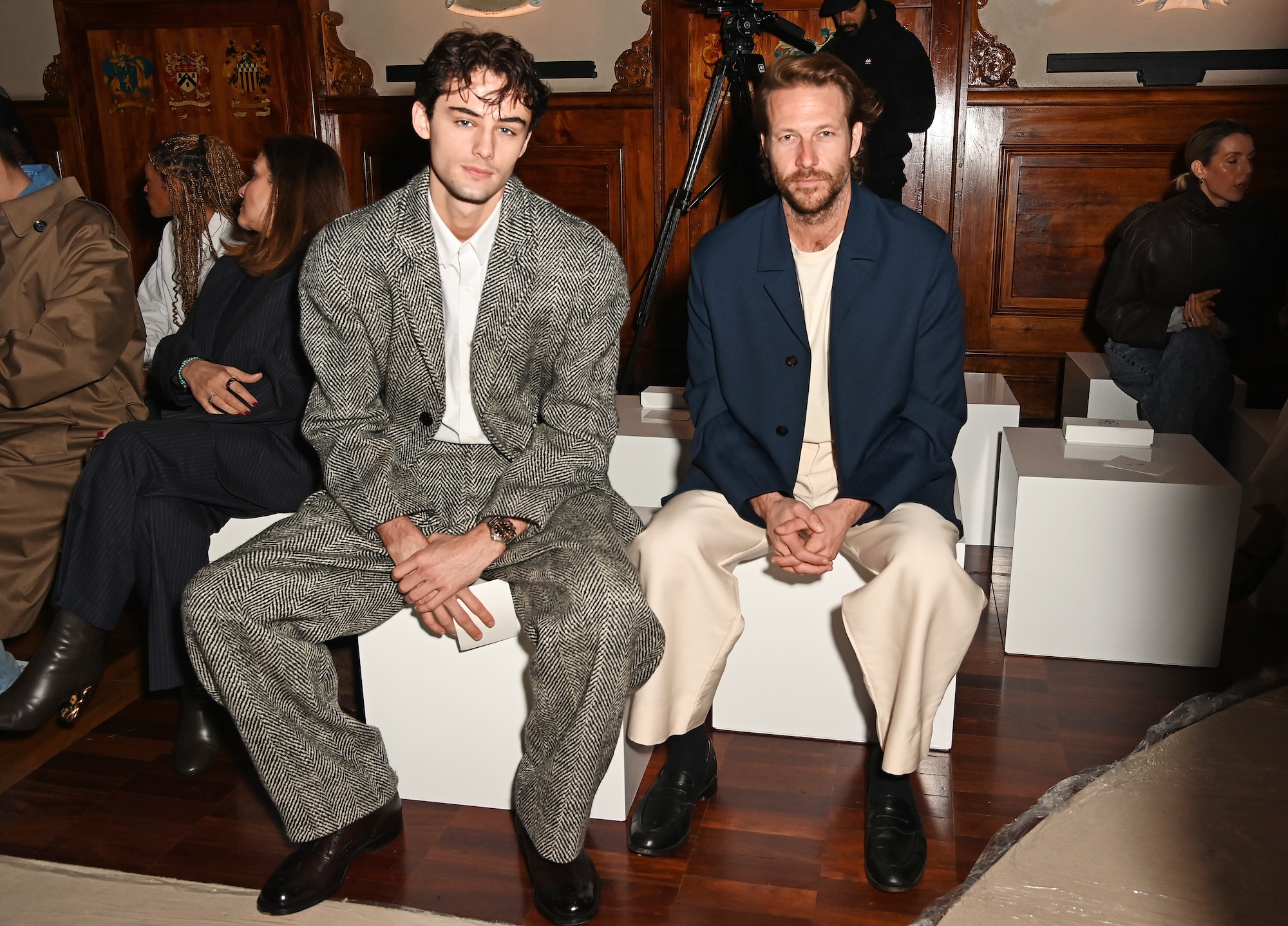
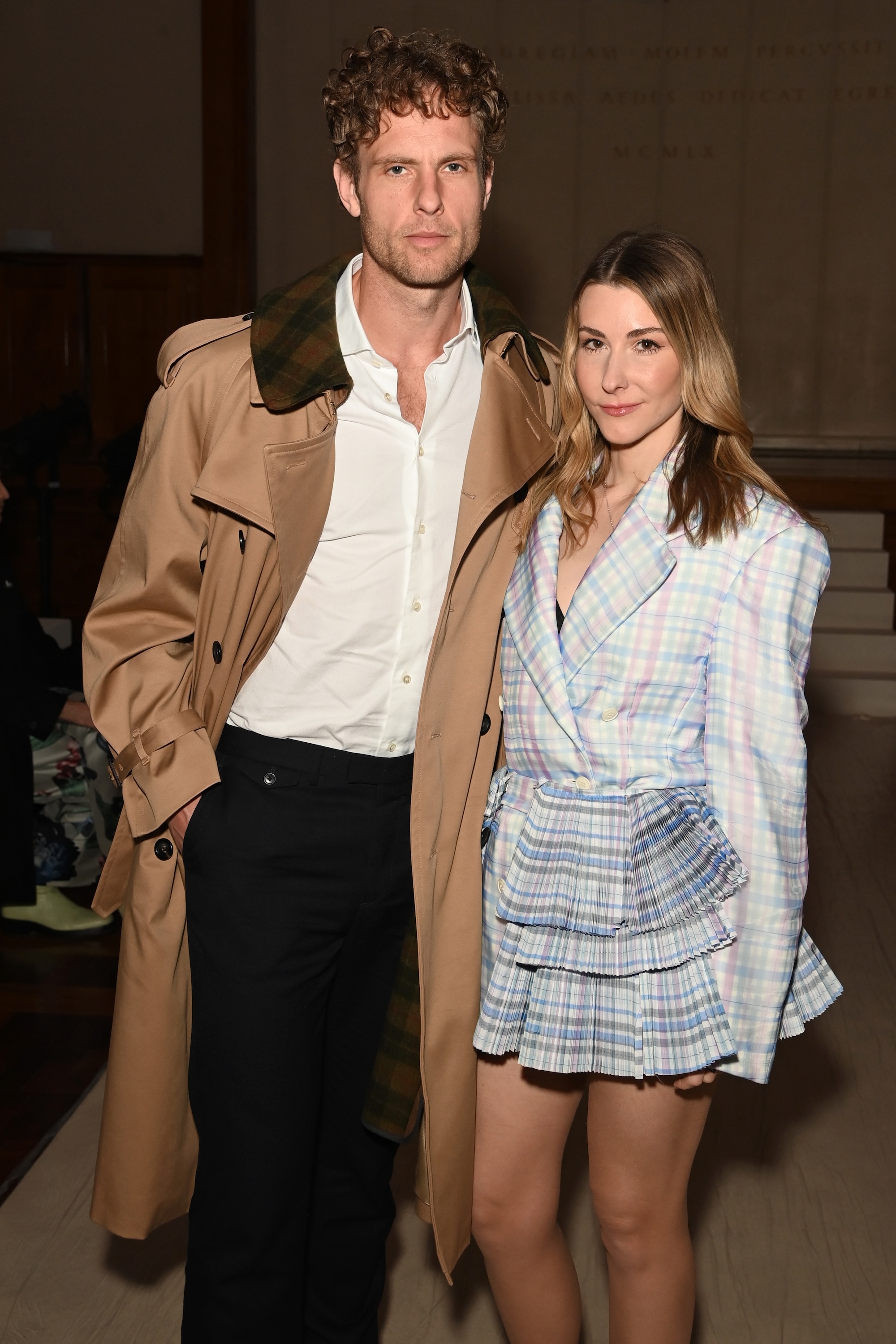
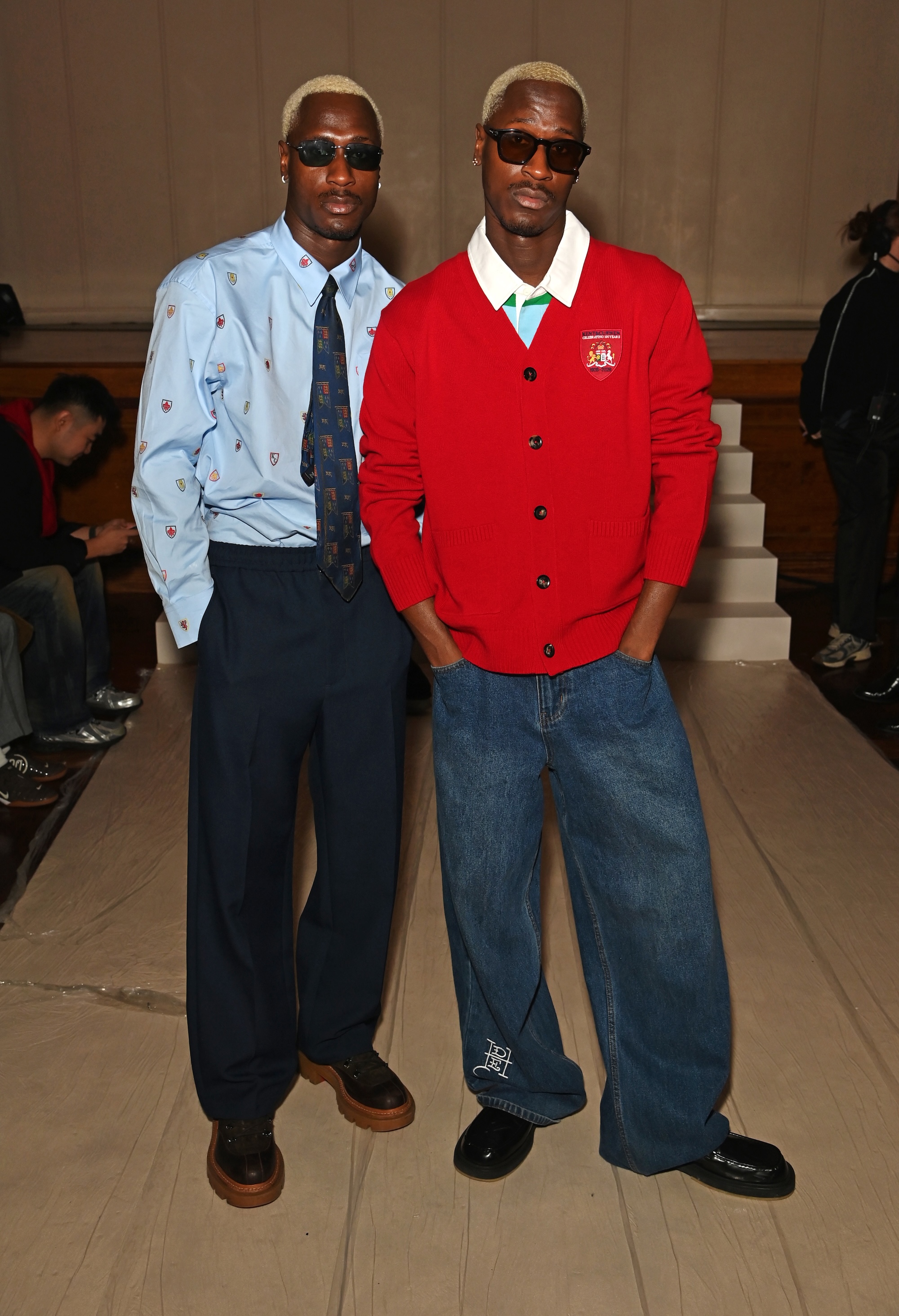
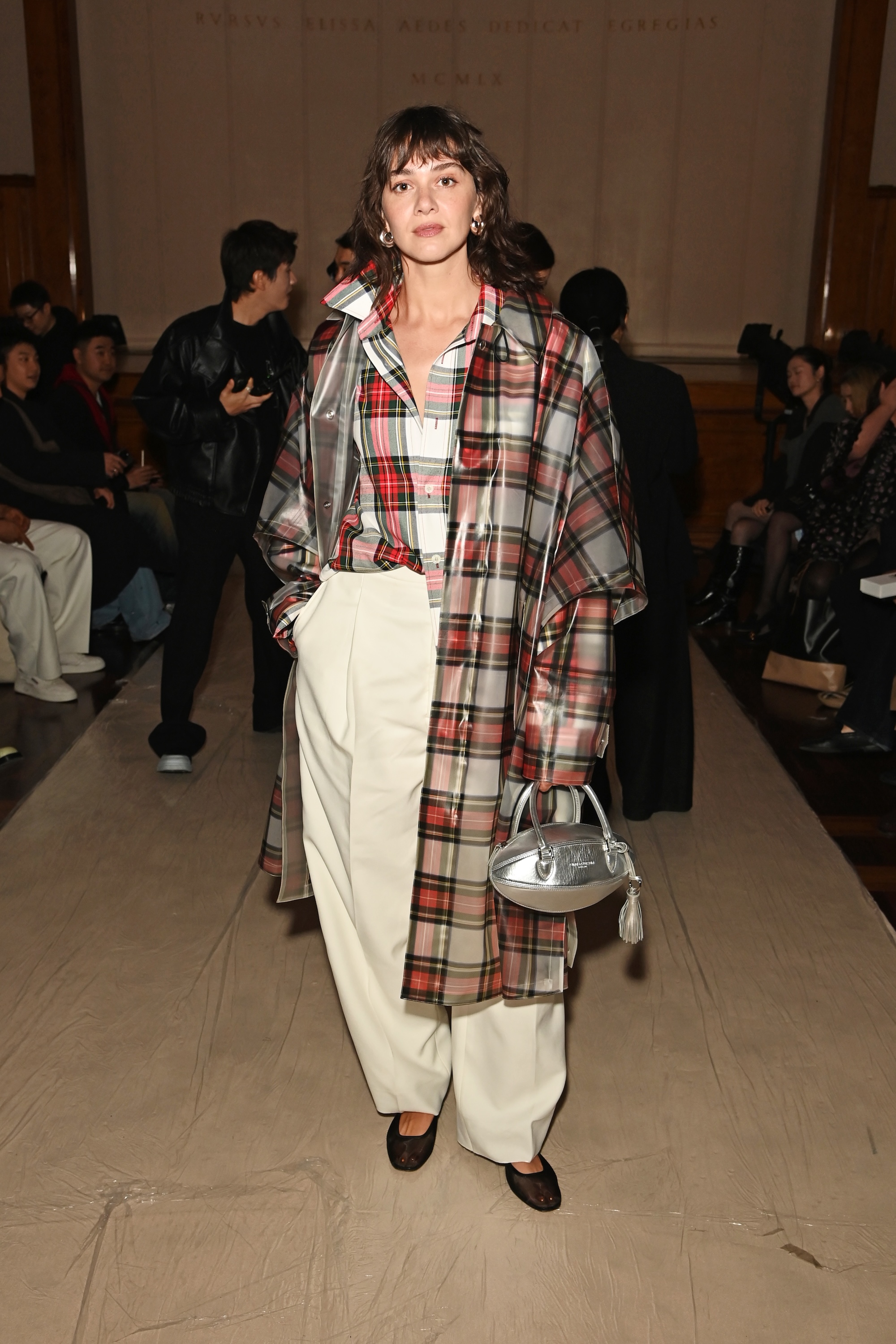
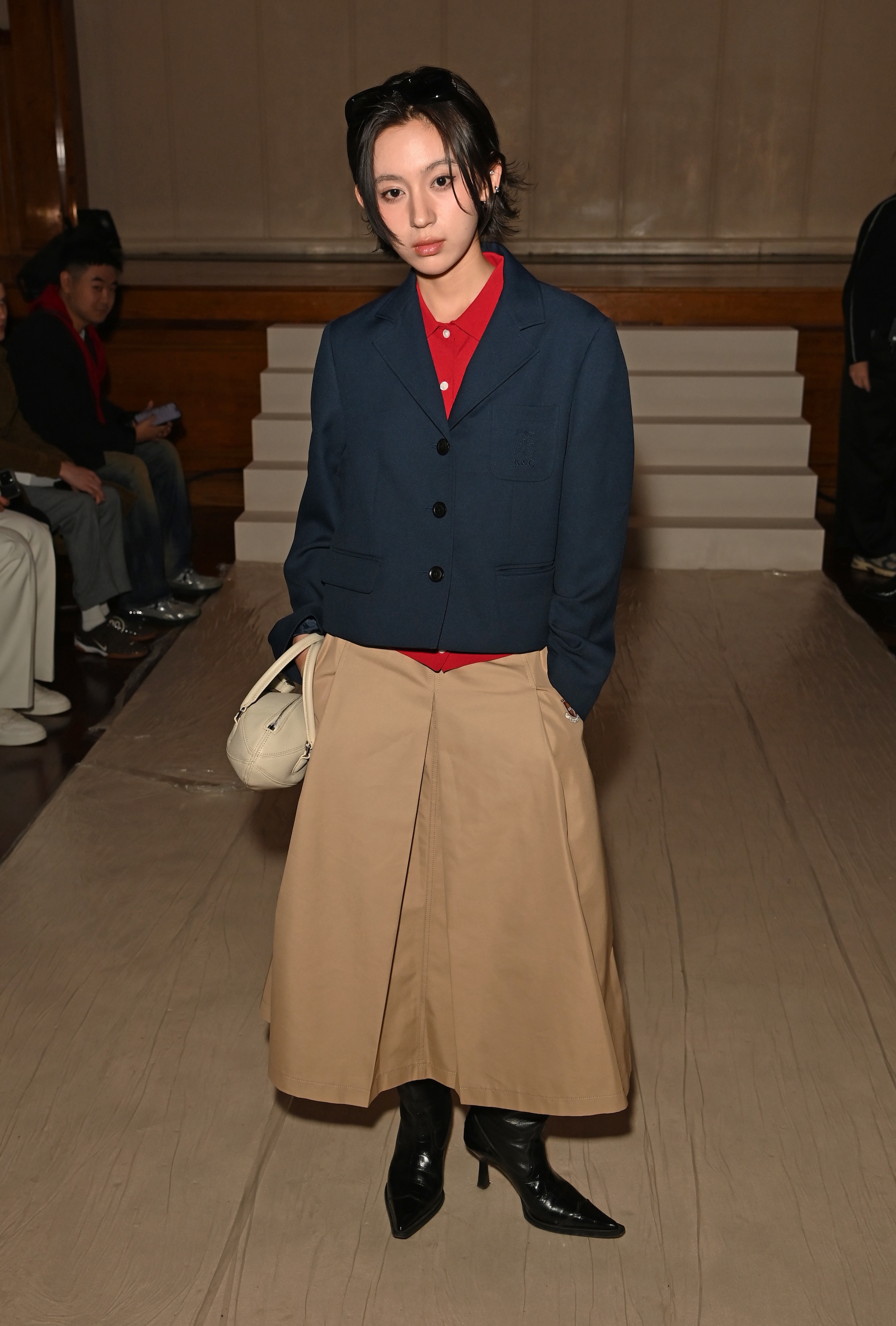
From left: Hero Fiennes‑Tiffin, Zilu Zhai, Otamere Guobadia, Erland Cooper, William Franklyn‑Miller, Luke Bracey, Jack Fox, Eleanor Fletcher, Kevin Bonsu, Karlon Bonsu, Xin Liu, and Fei Zhuang. Courtesy of Getty Images / Kent & Curwen
Titled Whipplesnaith, the collection draws inspiration from the Night Climbers of Cambridge, a secret society active in the 1930s whose members scaled university architecture under the cover of night. Writing under the pseudonym Whipplesnaith, the group’s ringleader, author Noël H. Symington, captured the romance of rebellion through the thrill of forbidden vantage points and a distinctly provocative sensibility.
Deep midnight blues and inky blacks anchor the color palette in night before giving way to muted taupes, autumnal browns, uniform grays, and soft pastels. Accentuated by flashes of collegiate red, bright lilac, and burnt orange, the progression mirrors a passage from intense secrecy, where rules were broken, toward the illumination of new perspectives. As the subversive figure himself wrote, “We think of those nights spent with one or more friends, nights when we merged with the shadows and could see the world with eyes that were not our own.”
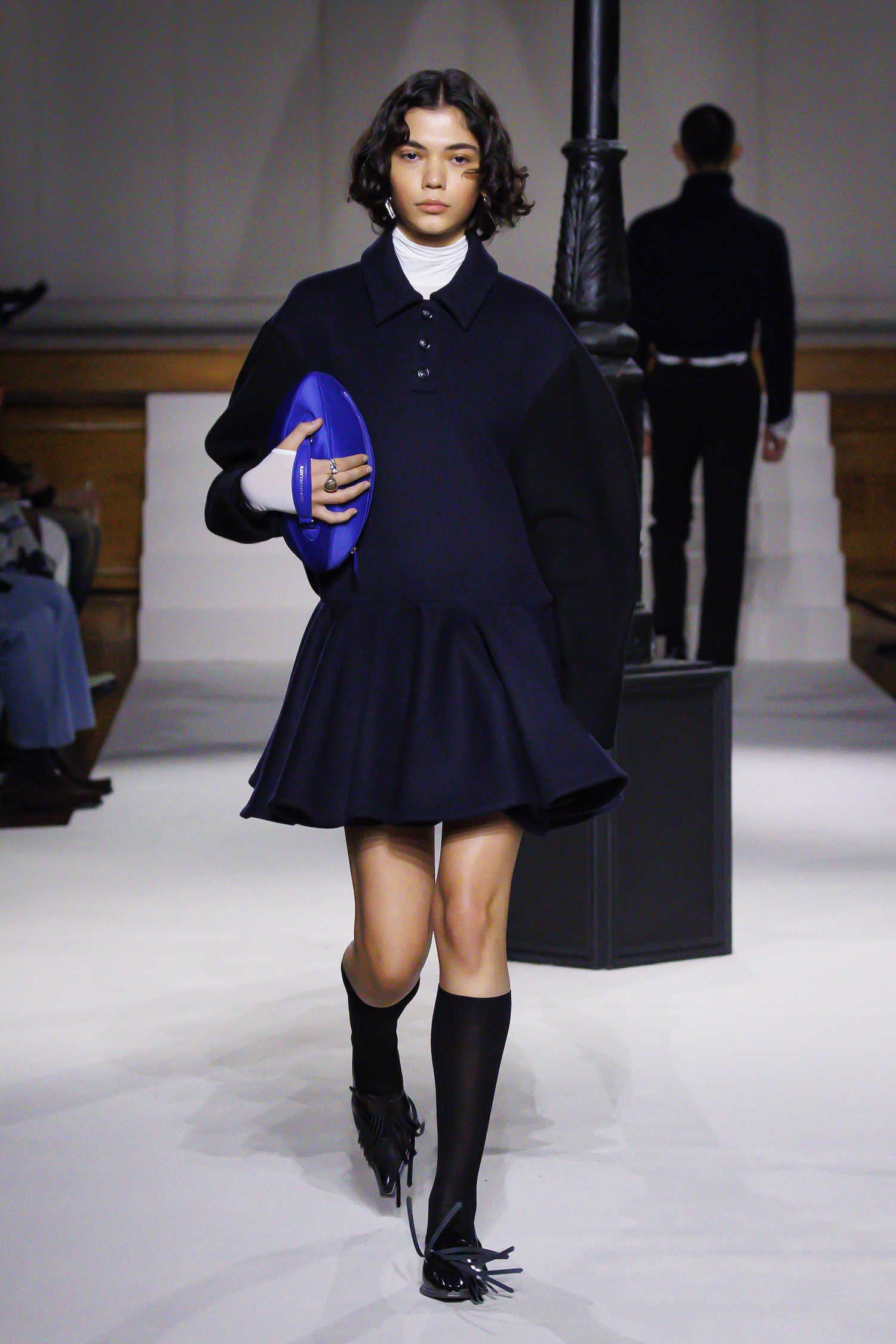
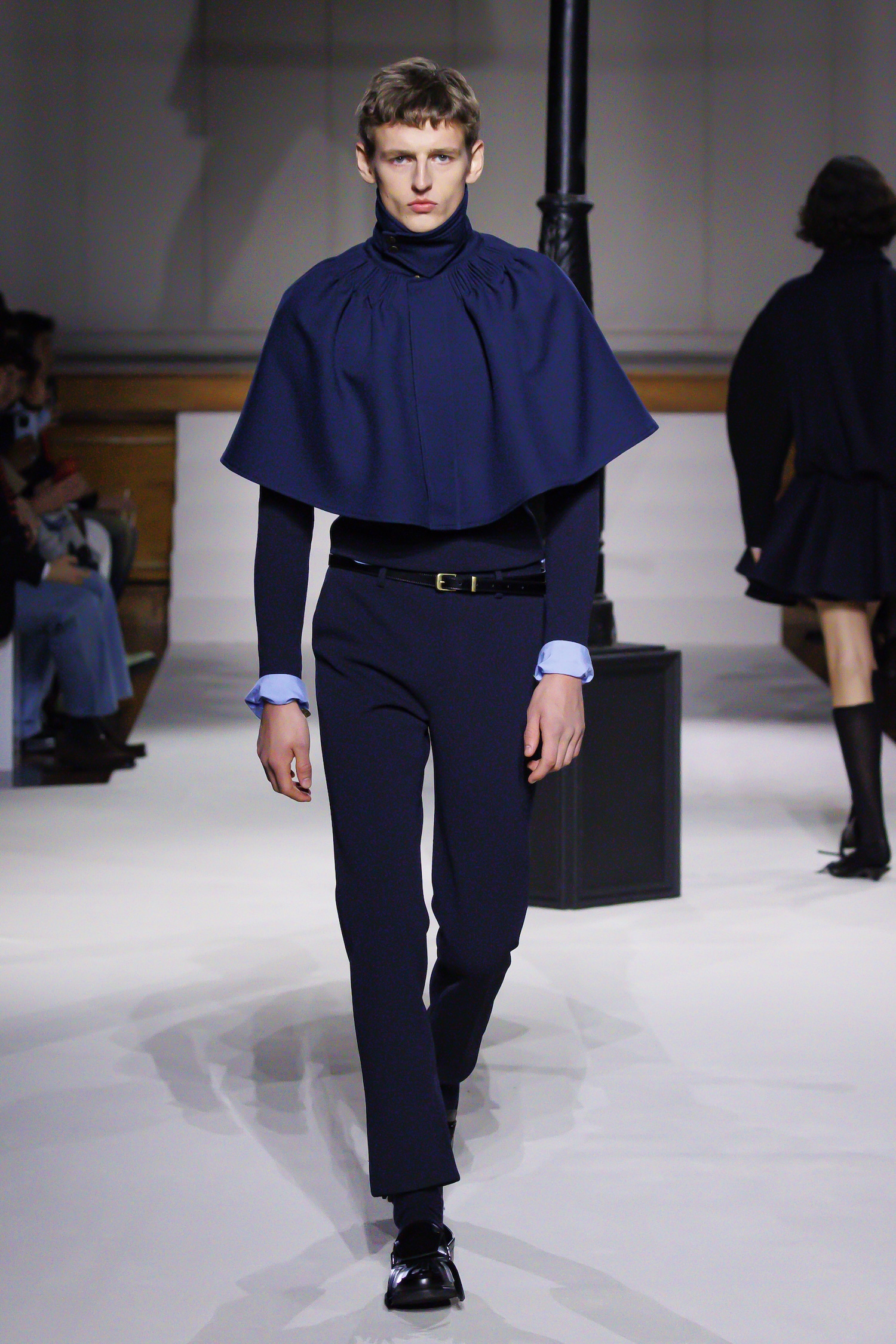
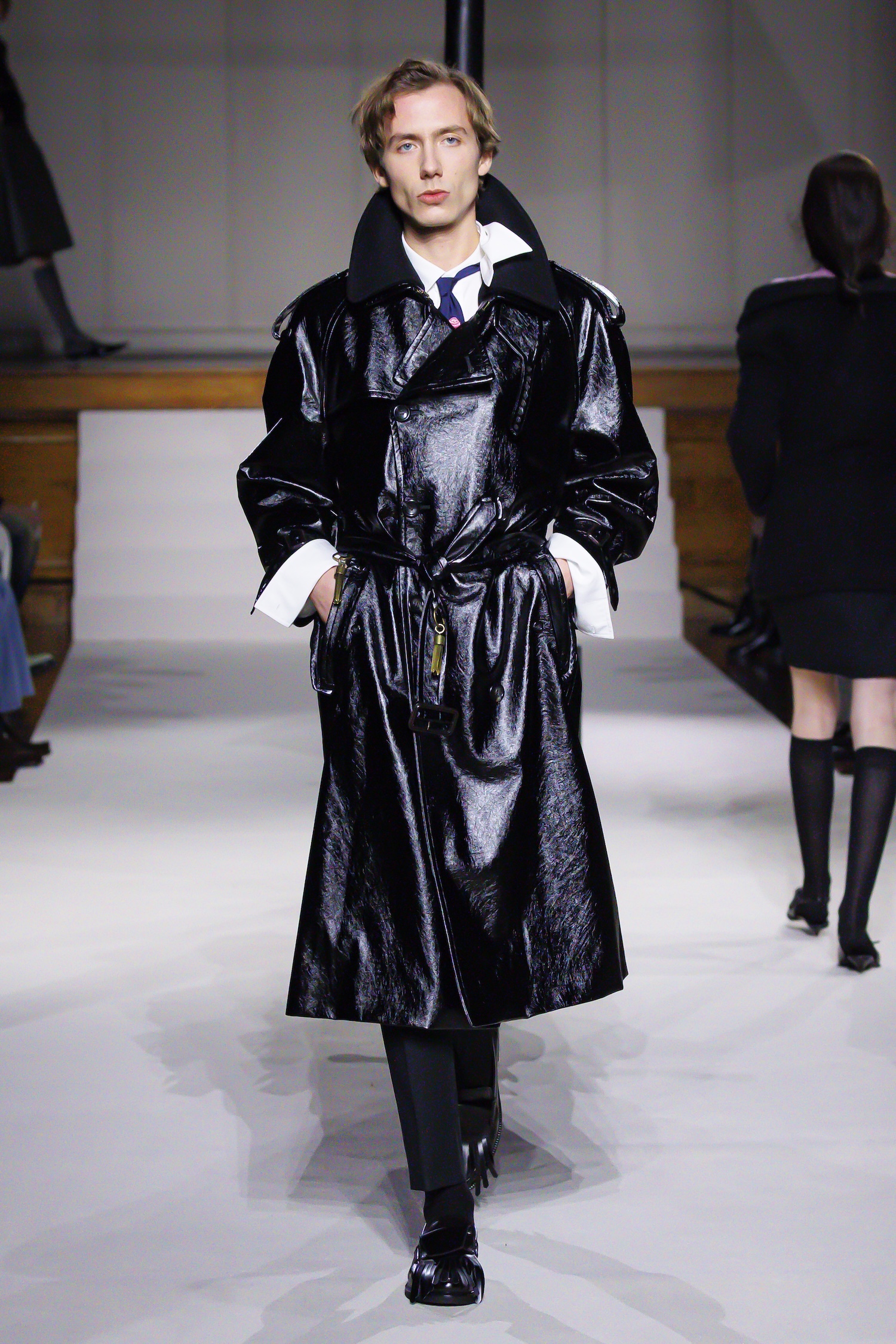
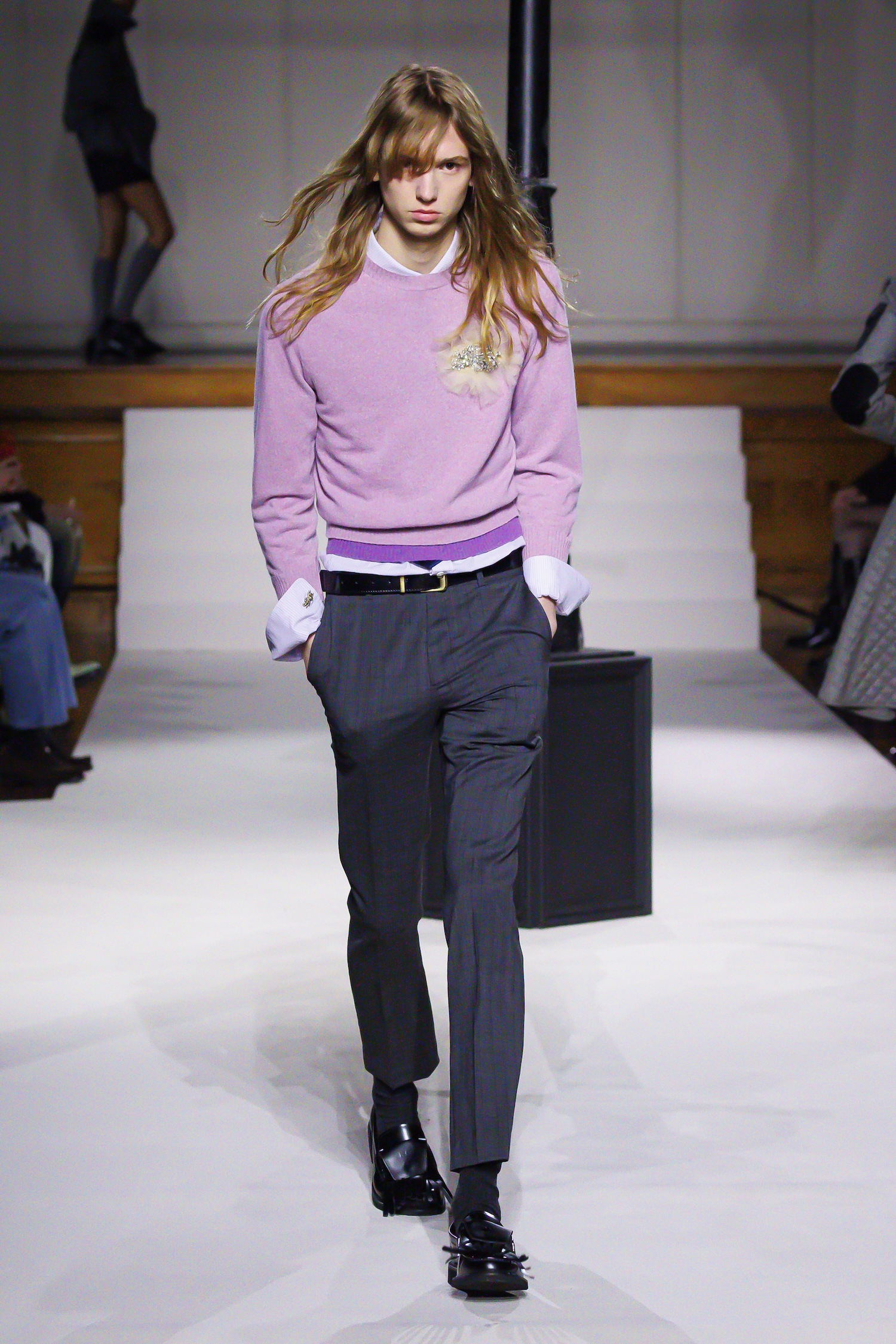
Kent & Curwen Autumn/Winter 2026: Looks 4, 5, 9, 22. Courtesy of Kent & Curwen.
Drawing from familiar British codes of dress, the silhouettes approached tradition with subtle irreverence. Precision tailoring served as the collection’s foundation, epitomized in car coats and tailor coats, the latter complete with traditional train‑ticket pockets and narrow lapels. Elsewhere, silhouettes were softened by moments of whimsy, from a trench coat rendered in powder‑blue vinyl to a bright violet cardigan adorned with tulle and diamanté brooches, seen throughout.
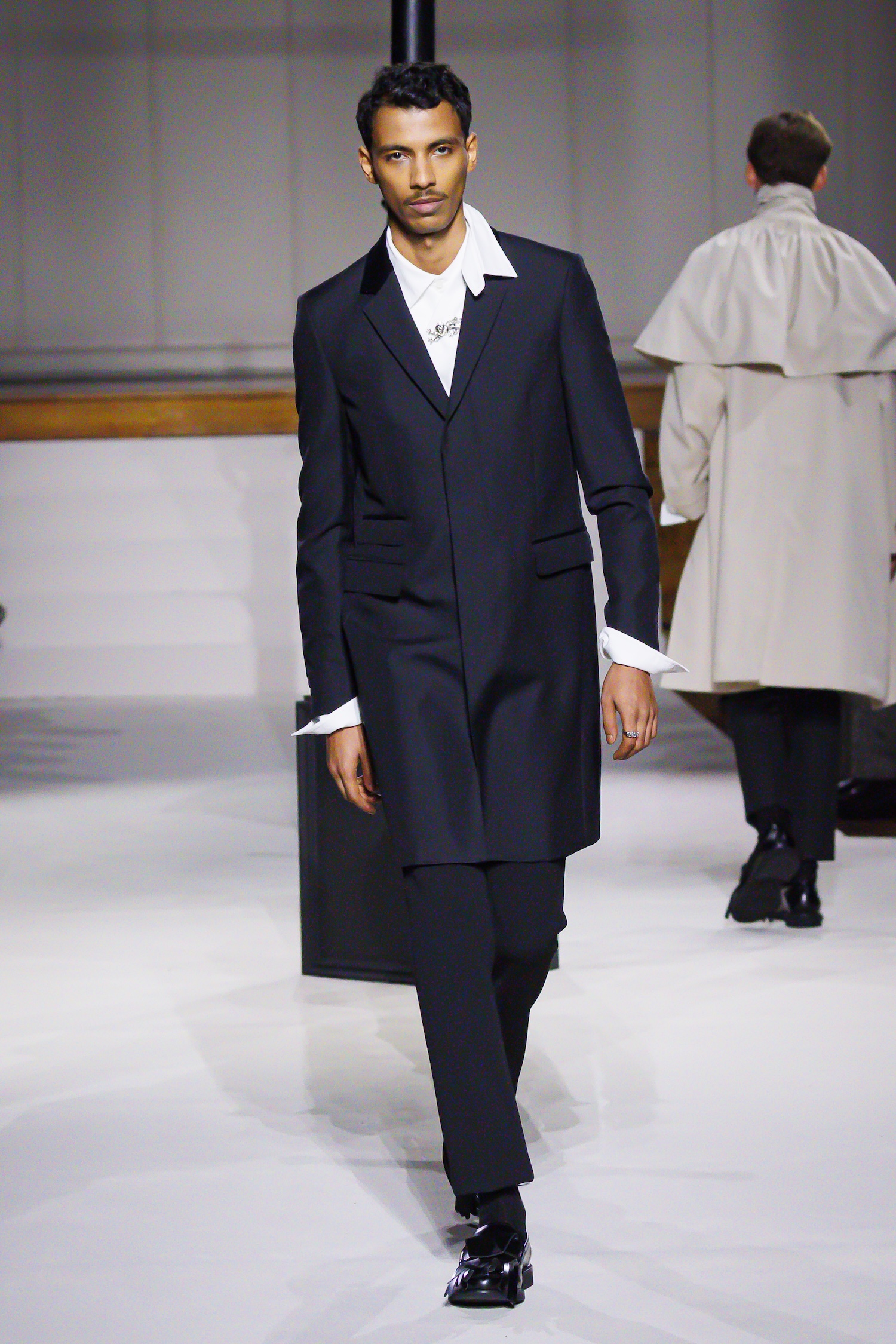
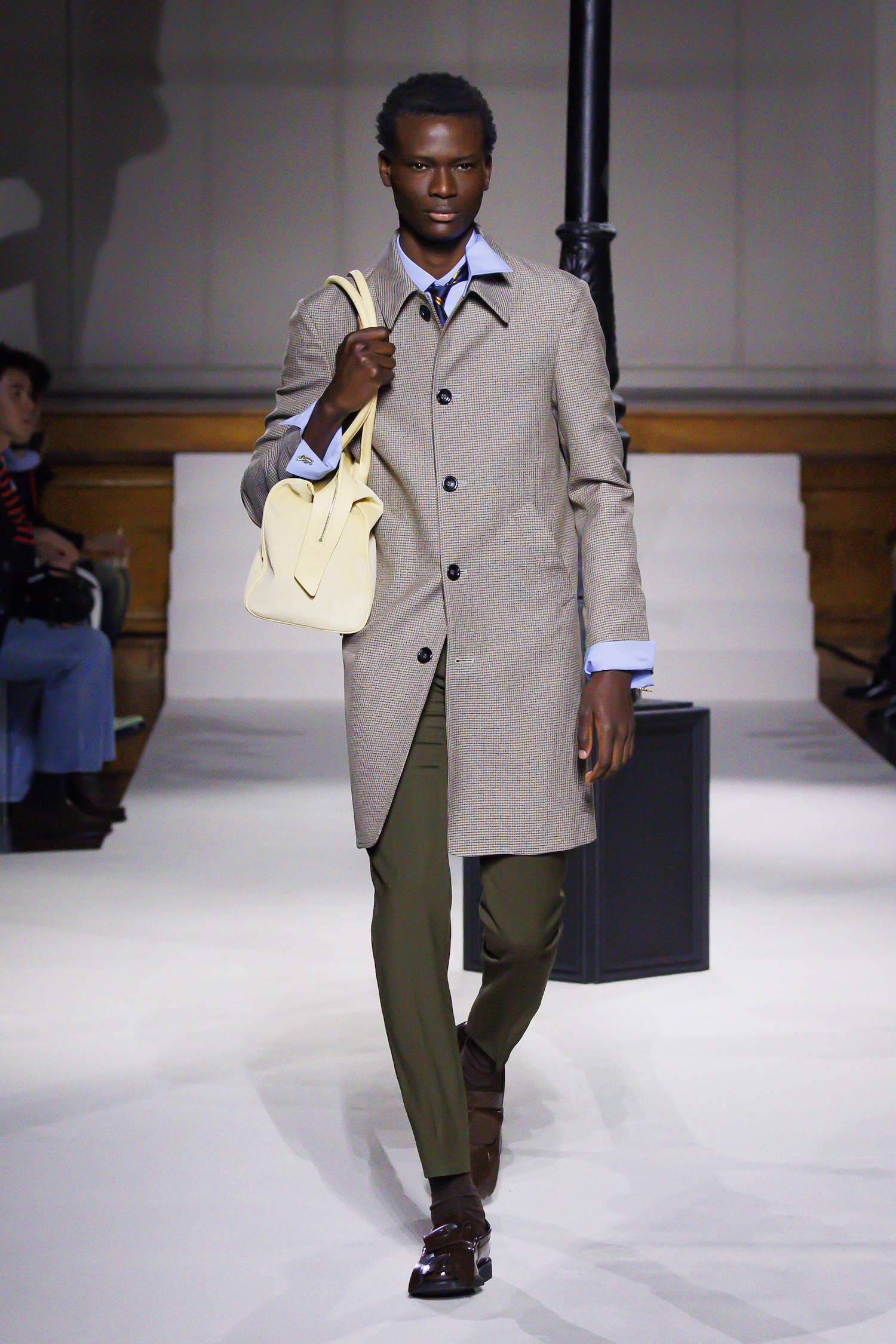
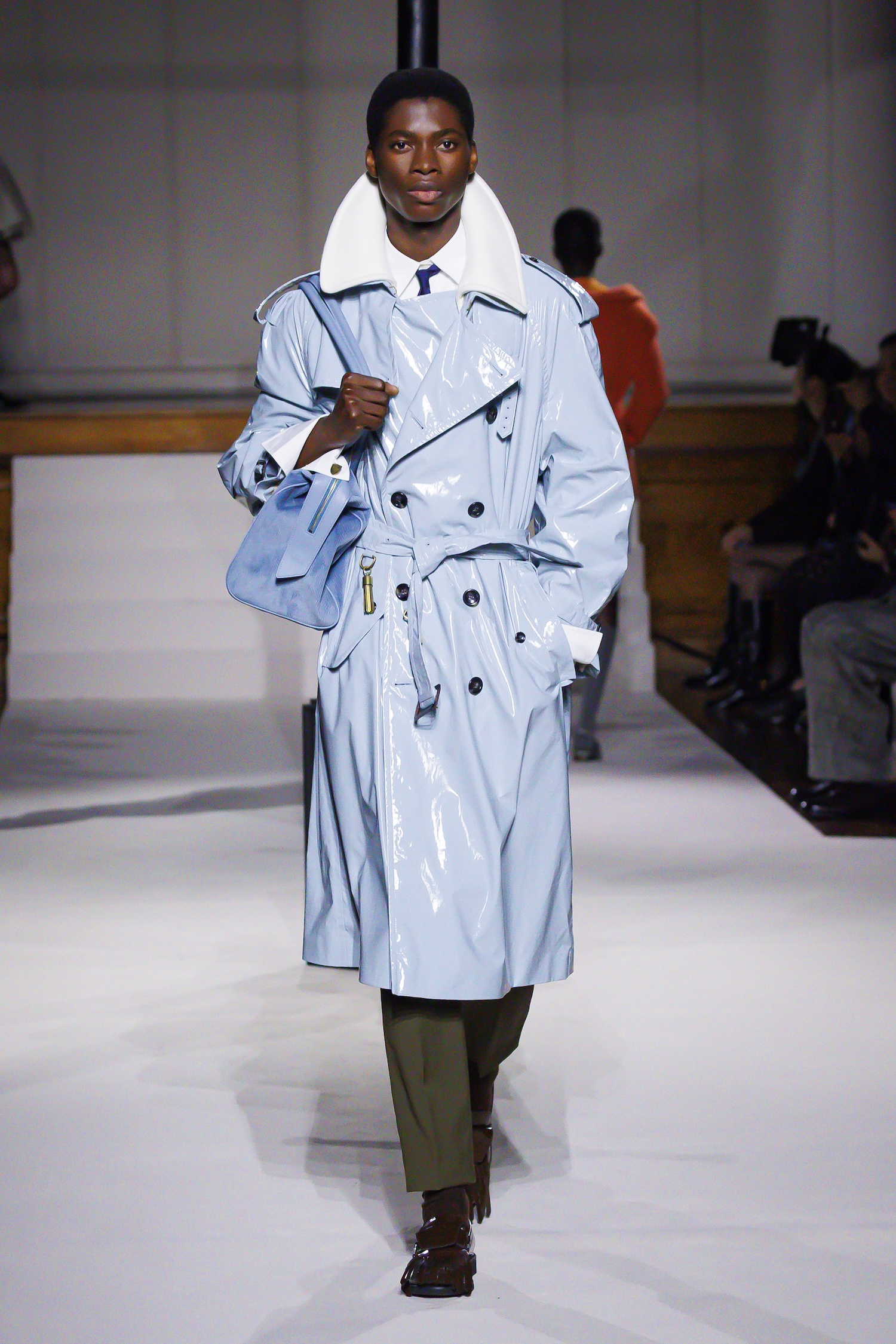
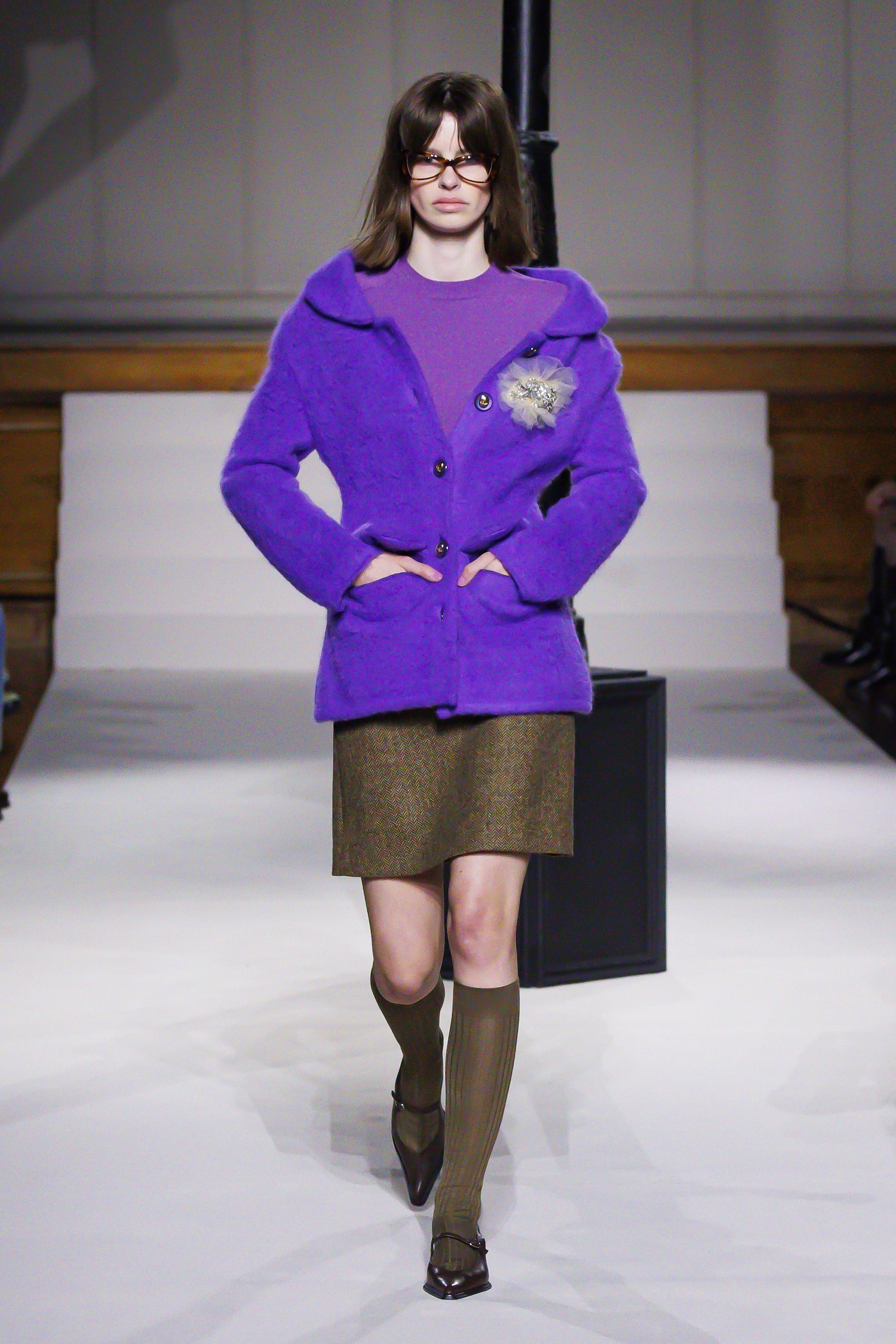
Kent & Curwen Autumn/Winter 2026: Looks 43, 20, 34, 31. Courtesy of Kent & Curwen.
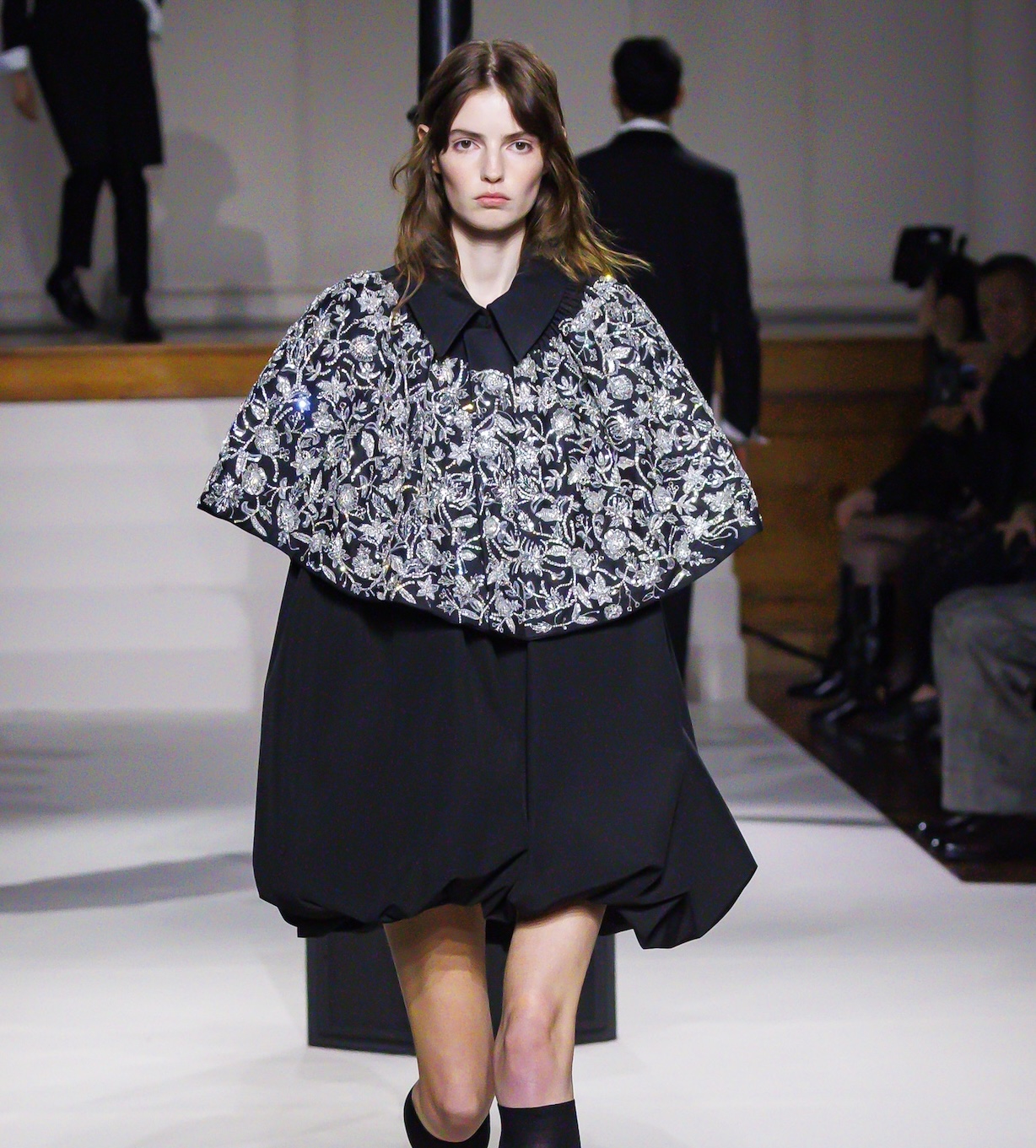
Ornamentation reached its height in a delicately embroidered floral motif rendered in crystals on a cape worn atop a billowing overcoat. Bellows pockets appeared irreverently on an oversized windowpane three‑button suit, while rugby bags were playfully clutched by those who walked. Inverness capes were at times worn without their coats, while one look saw golden bangs tucked into a funnel‑neck waistcoat trench and paired with dark sunglasses, reinforcing the mysterious rebellion the collection perfected.
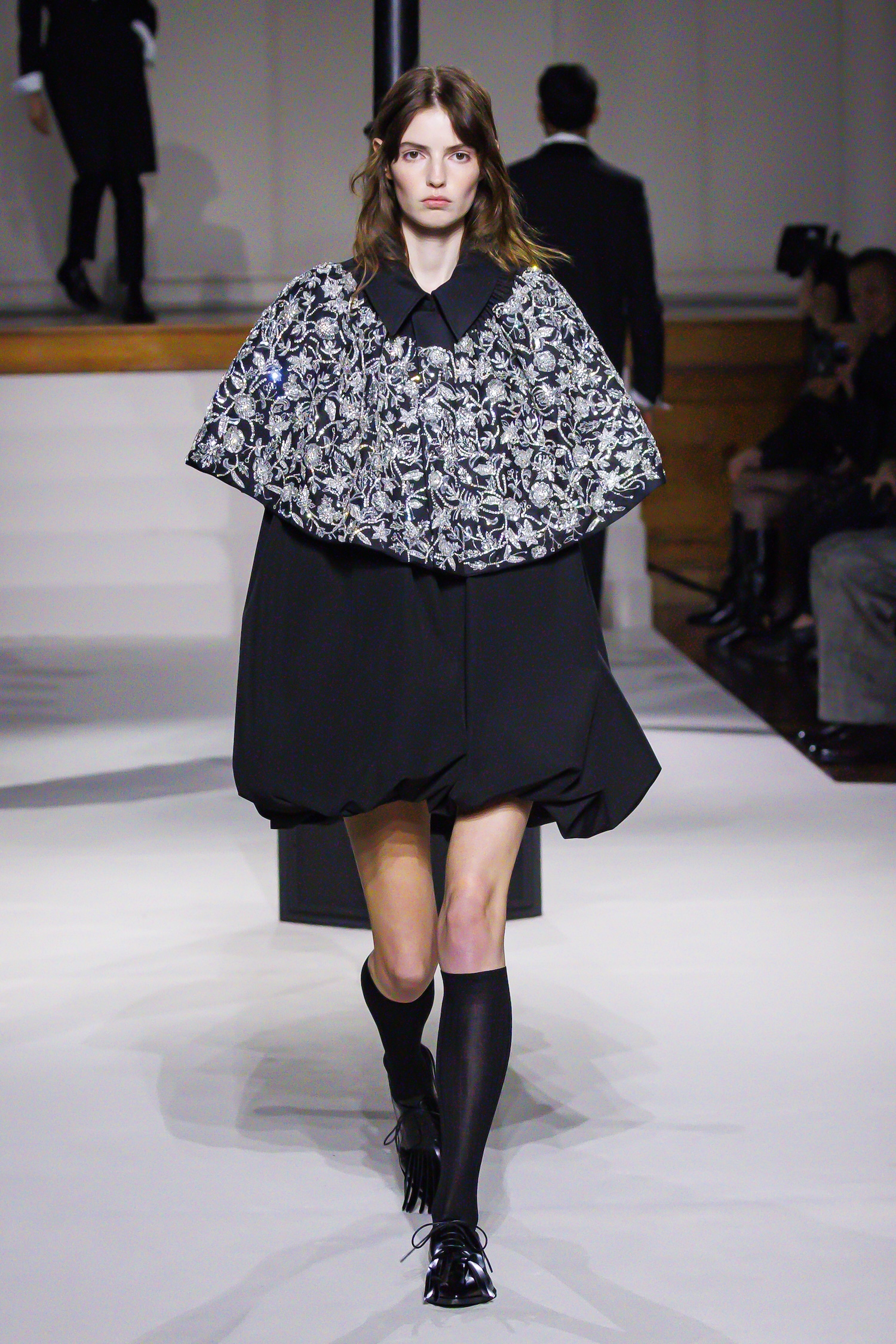
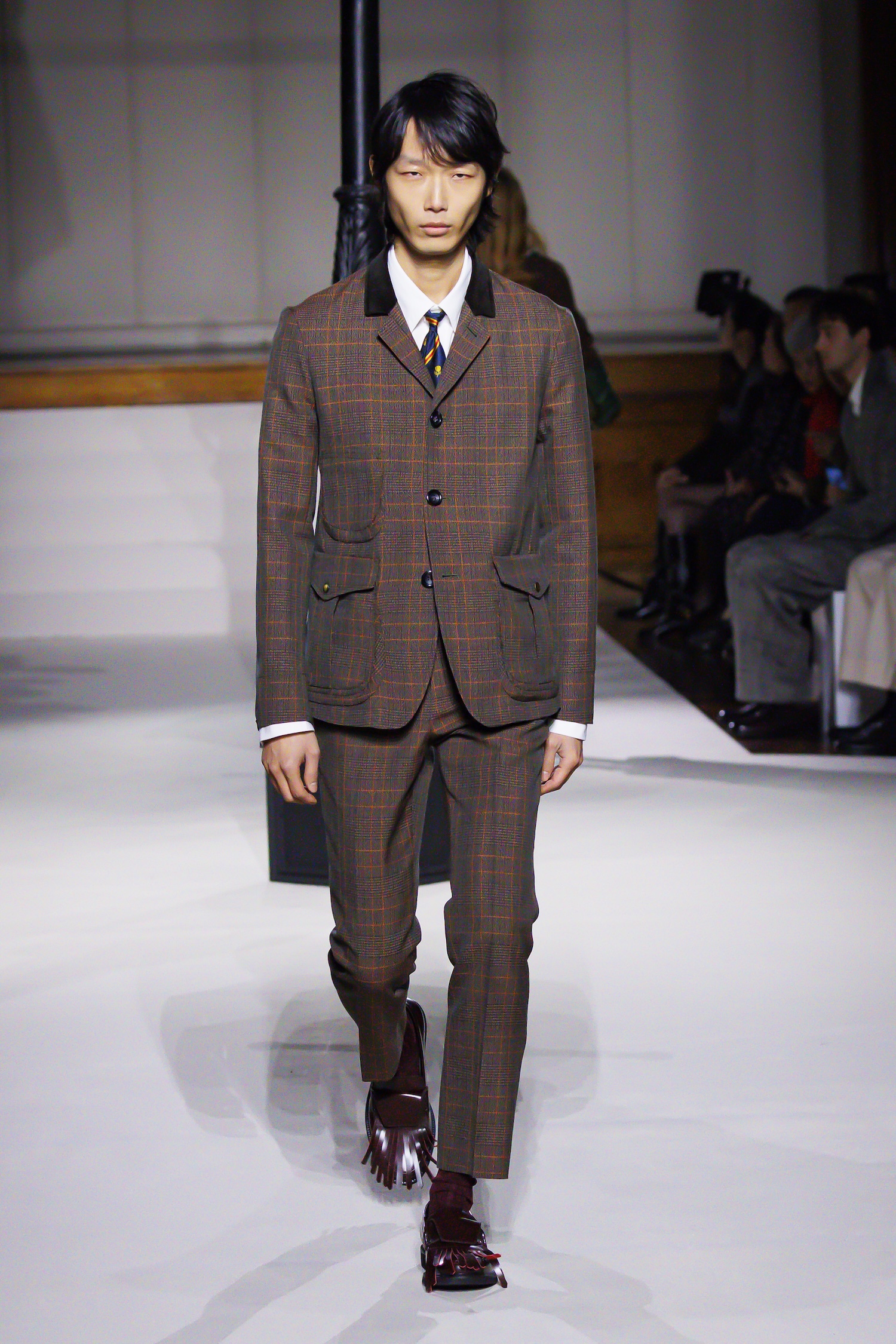
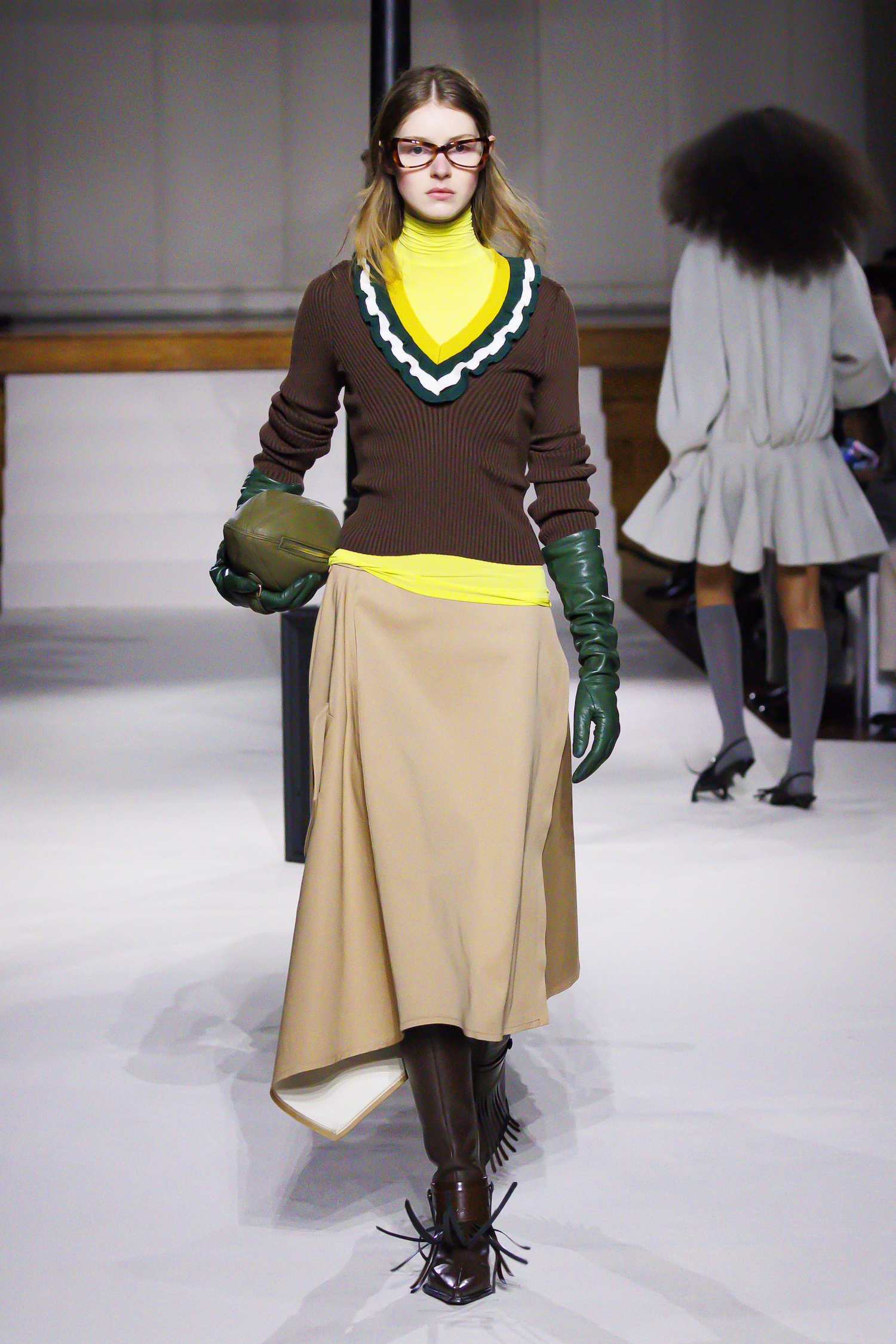
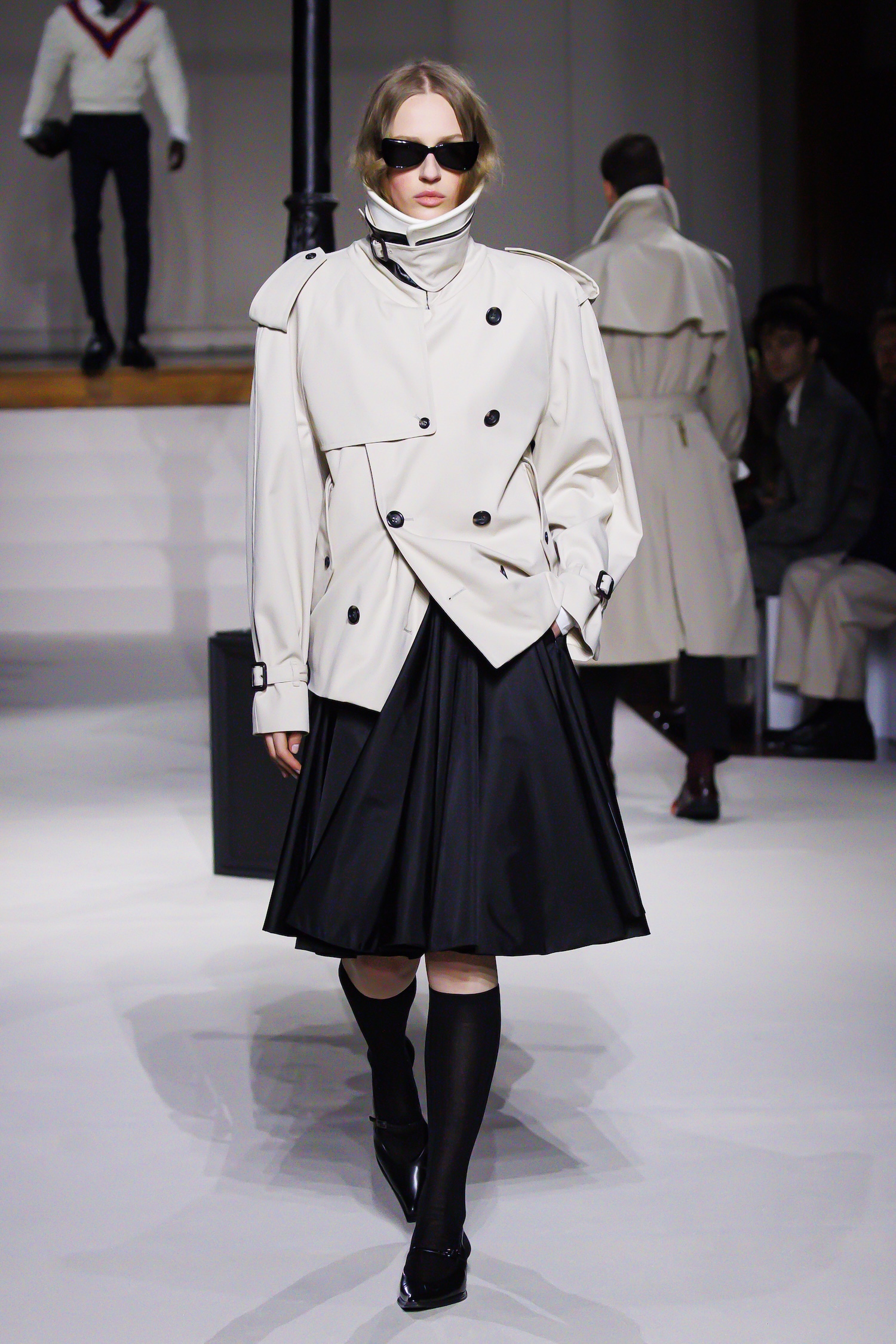
Kent & Curwen Autumn/Winter 2026: Looks 44, 37, 26, 25. Courtesy of Kent & Curwen.
While seemingly disparate at first glance, the Autumn/Winter 2026 collection represents one hundred years of introspective British fashion. As taste has waxed and waned over the twentieth century and into the first quarter of the twenty‑first, this interpretive collection reminds us that figures like the Night Climbers, who respected tradition enough to challenge it, emerge as the true torchbearers of tradition. Articulating a philosophy that has defined the brand since 1926, Kent & Curwen suggest there is not restriction but freedom, not conformity but imagination. Multum in parvo, much in little, has rarely felt more apt.