
By Jesse Scott
Originally from Torremaggiore in Apulia, Italy, Osvaldo Supino has led a truly trailblazing music career. With a diverse discography in Spanish, Italian, and English, and a sound that effortlessly spans pop ballads, flamenco, and electronic music, Supino has cultivated a devoted fan base that values his raw authenticity, passionate advocacy, and unfiltered love of music—and of life itself.
From independently releasing his first tracks on MySpace to becoming the first man to wear a skirt at the Venice Film Festival, Supino has always forged his own path. Now, he's embarking on a bold new chapter, having released his album Fine, Thanks on March 14. With buzz surrounding the project building quickly, Supino welcomed Rain to Milan for an exclusive interview on music as therapy, artistic responsibility, and the soul of his creative process.
JS: You began your career in Milan when you were 18, but music was a part of your life long before that. How did your story begin?
OS: Music has always been part of who I am—it’s how I communicate, and also how I stay grounded and feel less alone. My childhood was a bit unusual because I was different from the other kids in my small southern town. I was always looking for a way to feel more comfortable with myself and connect with others—and music really helped me do that. Honestly, it’s not just a job; it’s part of my life. It’s never been about chasing fame. It’s about chasing emotions that keep me moving forward. My songs have always reflected what’s going on in my life. So really, my discography is my biography.
Is it difficult to be that honest in your music, or does it come naturally?
Writing songs means going deep—deep, deep inside. It’s like working through your emotions with a therapist. Music is my therapist. So yes, sometimes it’s very hard. But I’ve learned that the more honest you are, the more you can connect with people. Honesty creates a connection that would otherwise be impossible.
I feel so much responsibility now with my music because I know that a song can change someone’s life, or at least their day or week. Before I release anything, I ask myself: Will this help someone else? Because that’s the goal in the end.
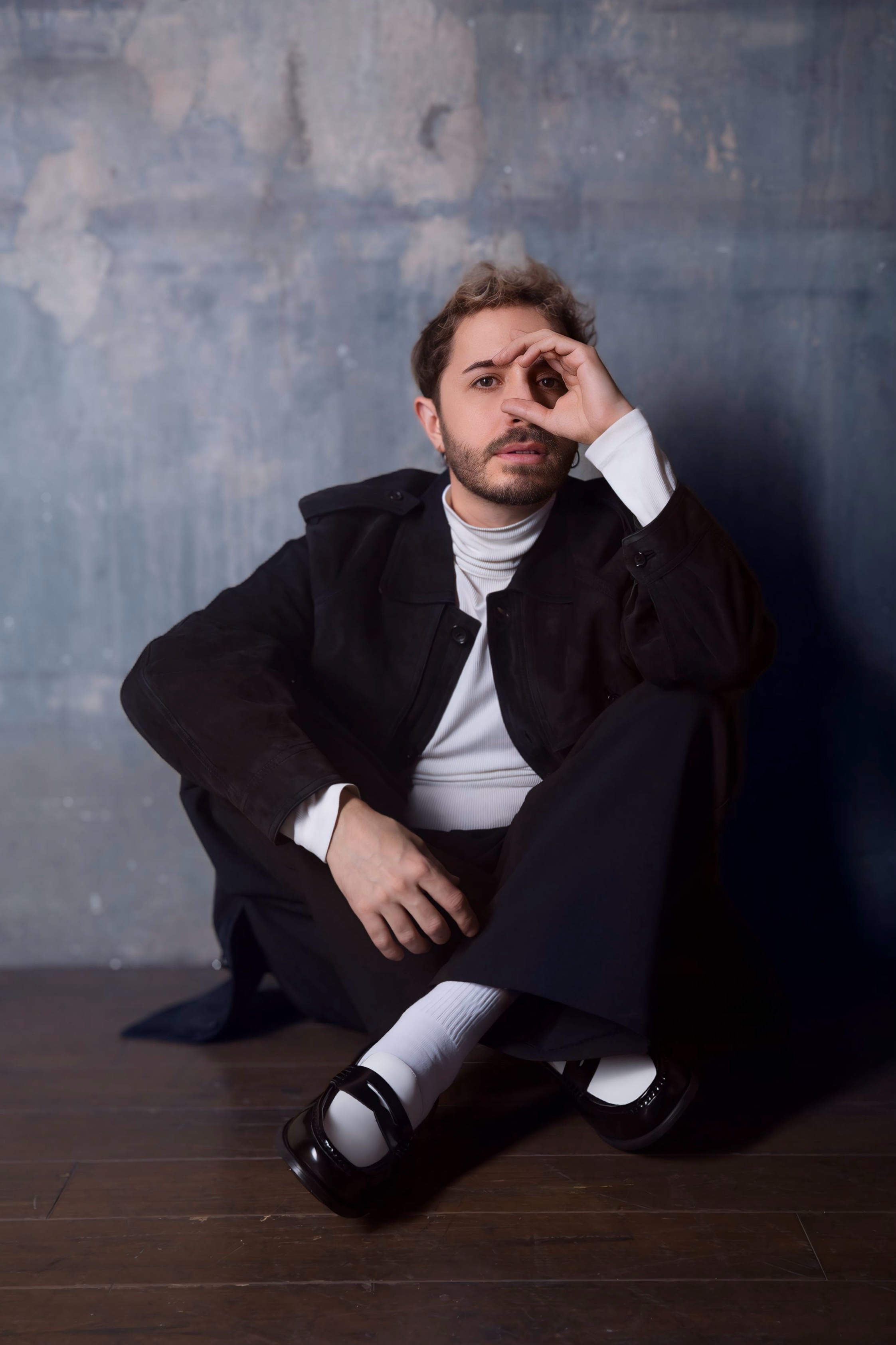
Osvaldo Supino embodying the bold style and emotional depth that define his latest album, 'Fine, Thanks.' (Portrait by Daria Saikova)
Let’s talk about a life-changing moment. You first gained fame by independently publishing your music. What inspired that decision?
It all started when I was 18 and moved to Milan with this big dream of making music. I didn’t know how to begin. I signed with my first record label and thought, Oh my God, my dreams are coming true... these people are so powerful. But in reality, they blocked me creatively for five years. I couldn’t do anything freely.
At first, I thought I was the only one going through this, but over time I realized it’s a common experience for many artists. Eventually, I faced a choice: go back to Torremaggiore or start over from scratch. I chose to start again—without any guarantees, just passion.
I was living in Milan with other creative people—a stylist, a photographer—and we started experimenting. I uploaded music to MySpace, which back then was totally different from today’s Instagram or Facebook. I went viral without even realizing it. From there, I started to believe again and put in the work. It’s so important to wake up every morning and be excited about what you do, knowing it has value.
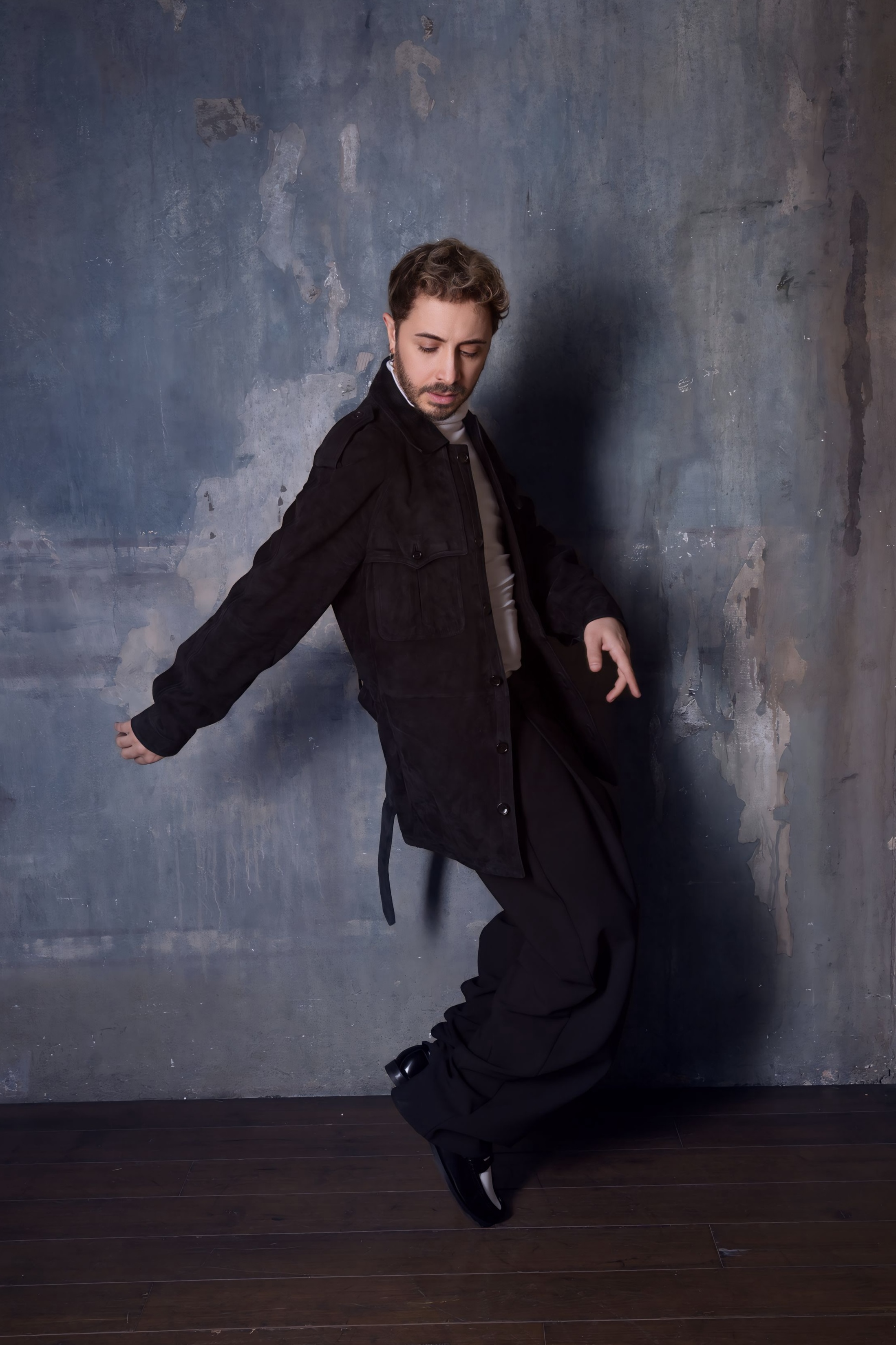
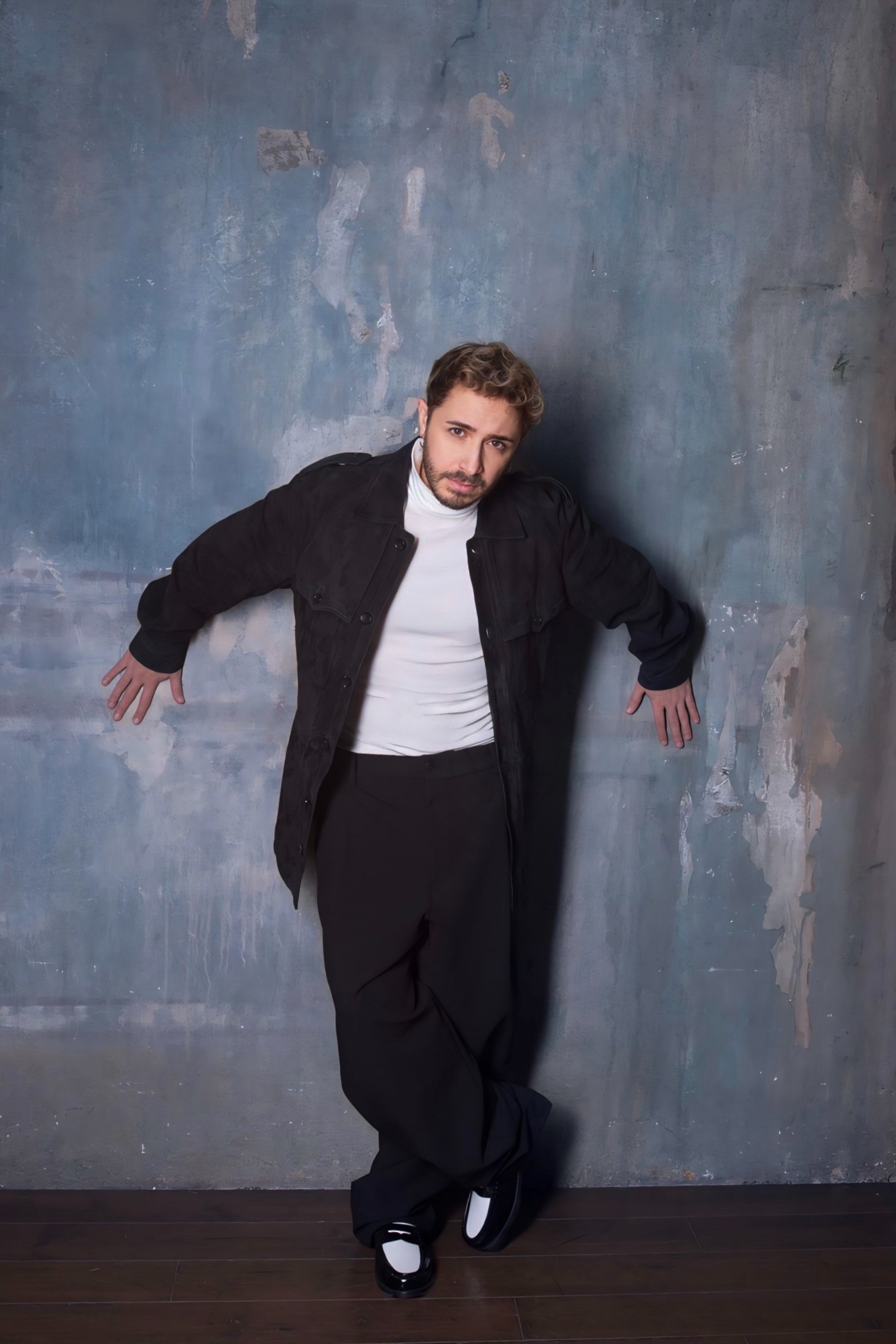
Portrait by Daria Saikova
One of your most iconic moments was wearing a skirt at the Venice Film Festival. How did that idea come about, and what does it mean to know you’ve inspired others?
Honestly, I wasn’t thinking about making a statement. I just thought, How can I look beautiful? How can I feel pretty and cool on the carpet? I’d done Venice before and wondered, Why do I always wear a tuxedo? Women change their looks every time. So I told my brother—who’s also the designer of that skirt—Let’s do something different and cool.
It was a long and intense process; the skirt was handmade and huge. When I arrived on the red carpet, I wasn’t even thinking about the fact that I was wearing a skirt—I didn’t know I was the first man to do it at the festival. I was just enjoying myself. But within 30 minutes, everything exploded. And I’m happy it helped other men feel free to be themselves, to know they can live out their dreams and express who they are—even on a red carpet.
Recently, you wiped your Instagram and posted a single photo captioned, “We’re launching.” What can you tell us about this exciting new chapter and the message behind it?
The new album is a very personal Spanglish project called Fine, Thanks. The title comes from that phrase we all use—“fine, thanks”—as a way to put up a wall. But at the same time, it’s an invitation for others to go beyond that wall, understand us better, and maybe realize we’ve shared the same experiences.
The past four or five years have been intense. I’ve dealt with relationships, mental health, and the loss of my best friend. But I’ve also learned to take something good from everything. I now understand that we can’t control tomorrow—we only have control over right now. That’s what this album is about. And musically, I think it’s super cool—it goes from pop to flamenco, EDM to techno. It reflects many aspects of my life.
You have such a wide range of sounds—across languages and genres. How has your style evolved?
When I record, I don’t think about genre. I just go with the emotion. Whether it’s deep electronic, a ballad, in Spanish or English—it doesn’t matter. I just dig into the feeling and release it. This approach gives me the freedom to fully express myself.
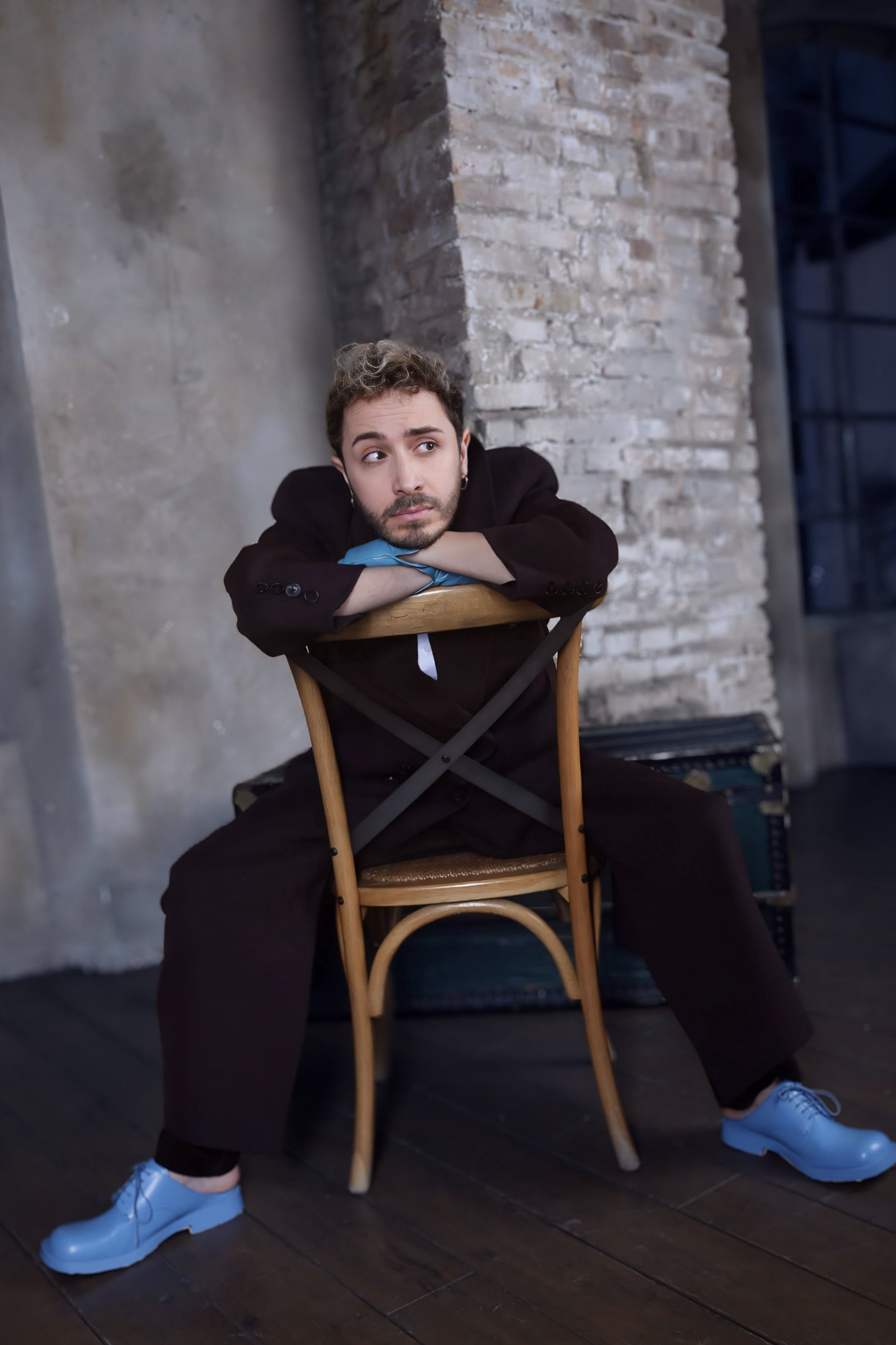
Portrait by Daria Saikova
What kind of music do you listen to in your free time? Who inspires you?
Listening to music doesn’t feel like free time to me—my brain is always soaking things in. Lately, I’ve been into disco and classic icons like Tina Turner and Whitney Houston, as well as newer artists like Sabrina Carpenter. I love Ariana Grande’s vocals. And there’s this Italian singer, Giorgia—I used to have a tape of hers when I was a kid and would play her song “A Boy” over and over, trying to mimic her vocals.
Which fashion designers are inspiring you right now?
For me, it’s not about brands. In Milan over the last five or six years, we’ve seen this amazing independent fashion movement. You can walk down the street and see so much self-expression and beautiful chaos. I love experimenting with emerging designers because they bring fresh energy and creativity. Of course, I love my brother Giovanni Supino’s designs. I also want to shout out Vanni, who created the gold bodysuit I wore to the Venice Film Festival last season.
Any final thoughts before we listen to the album?
Just that this album truly reflects where I am right now. Whether my style is urban, elegant, or avant-garde, whether I’m singing in English or Spanish—the most important thing is to be yourself and to be kind to others.
JS: Thank you so much, Osvaldo. Best of luck with this exciting new chapter!
Styling & Creative Direction | KATHERYNA SCHURENKO
Photography | DARIA SAIKOVA
Backstage | MICHAEL BIANCO