
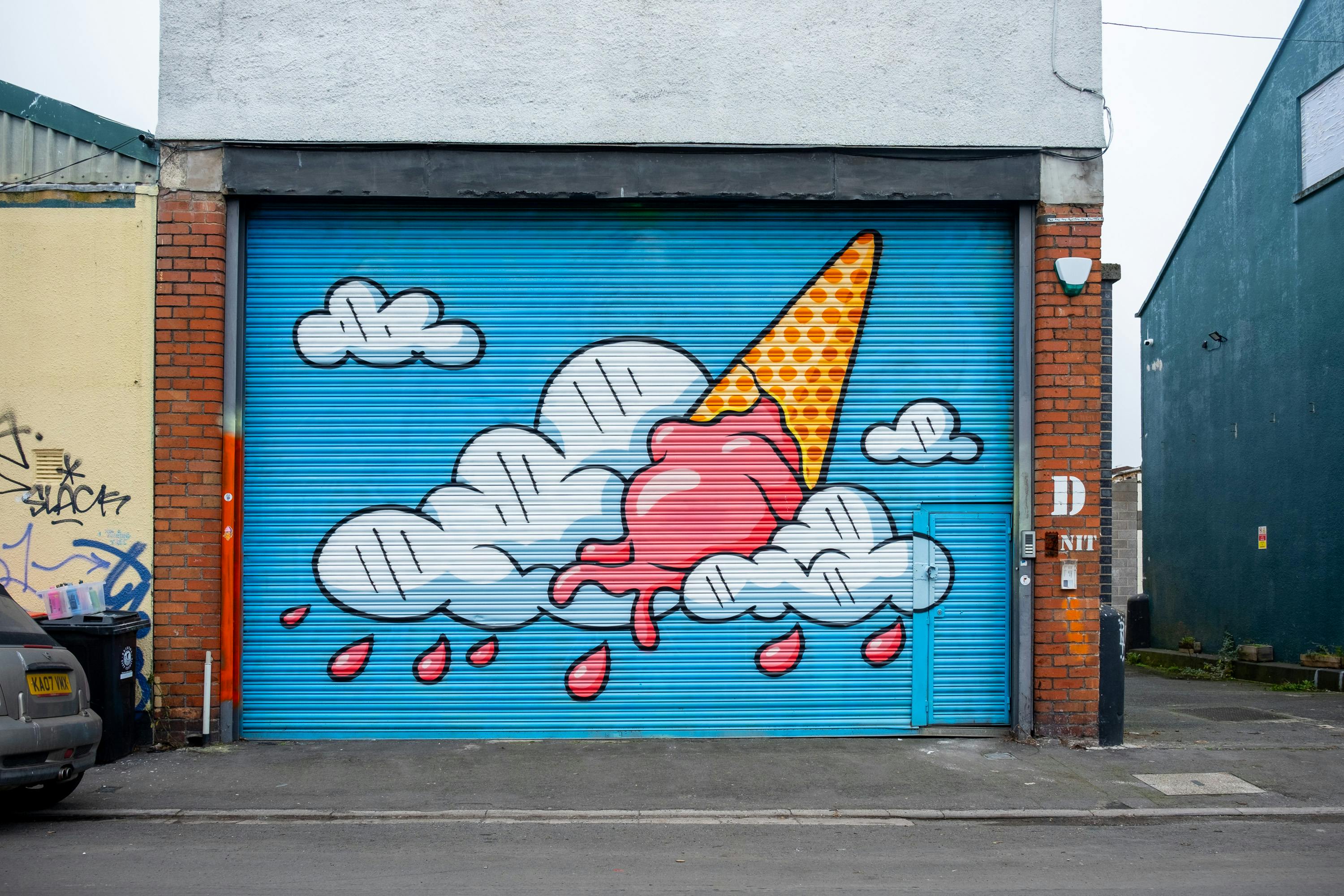
Graffiti has long been referred to as vandalism by those in charge of the art world. These same groups are now scurrying to purchase artwork from artists who began painting on city walls with spray cans. The art has not changed, but the market has. Traditional credentials are no longer as highly valued as cultural relevance.
Street art in the heart of busy neighborhoods has long been a favorite among local artists and residents. They adore the excitement that comes from discovering creativity in the most unlikely places. They came to see that these artists had amassed a sizable fan base without the assistance of conventional organizations. Their understanding of the world was altered by their discoveries. Murals that were once on their streets became well-known among people from all over the world and various cultures thanks to social media magic. The discussion about opening galleries to street artists underwent significant change. The focus shifted from the artists' official credentials to a heated debate about how soon galleries should be able to accept this unadulterated talent.
The Question of Legitimacy Is Irrelevant
Technique, theory, and centuries of established practices were the main focus of traditional fine art training. That playbook was thrown out by street artists. They acquired their signature styles through repetition, learned by doing, and established their reputations solely through public reaction. Validation from an art school is not necessary.
The establishment was in danger from this alternate route to recognition. What use did traditional institutions serve if artists could thrive without official training or gallery representation? The market gave a clear response. Scholarly credentials were less important to collectors than cultural impact, particularly among younger collectors. Artists with studio training occasionally found it difficult to match the authenticity of street art.
Collectors led the way, and museums eventually followed. Retrospectives were held by major institutions that previously would have called security on graffiti artists. The work that the authorities had literally sandblasted off walls was now worthy of insurance policies and climate-controlled exhibition spaces. Those who discredited the movement as a passing trend were forced to defend their mistakes.
Pricing the Unpriceable
There are particular difficulties in assessing the worth of street art. Conventional fine art has well-established hierarchies, comparable sales, and markets. Street art developed independently of those frameworks. How do you charge for art that was first displayed on public walls for free?
Once street artists entered galleries, the market addressed this issue by treating them the same as other modern artists. Conventional pricing models apply to commissioned pieces, limited prints, and original canvases. Instead of being a drawback, the street credibility becomes a component of the value proposition. In addition to purchasing artwork, collectors are purchasing a fragment of cultural history from movements that altered urban environments.
Some artists did a fantastic job navigating this shift. Alec Monopoly Art shows how street aesthetics can be transformed into fine art that can be collected while preserving the striking, approachable aesthetic that first made the piece popular. His distinctive personality and vivid color scheme are just as effective on gallery walls as they were on city streets, demonstrating that the visual language of street art can be effectively conveyed without being placed illegally.
Traditional contemporary art is now in competition with the secondary market for well-known street artists. Special sales are held at auction houses. Some artists are treated like blue-chip assets by investment funds. An asset class emerged from what began as rebellion.
The Studio as New Territory
It takes artistic development to go from the streets to the studios. The audience changes from being haphazard bystanders to deliberate viewers, the scale changes, and the materials change. This shift is difficult for some street artists. Others prosper.
Working in a studio enables experimentation that is not possible on walls. Artists can create pieces for collectors' homes rather than for the general public, work in series, and develop themes over time. Legal risk, time constraints, and weather worries are eliminated in the controlled setting. Refinement can make up for what spontaneity loses.
The most prosperous artists embrace studio opportunities while retaining ties to their street roots. While they may still paint murals, they now also produce art fit for a gallery. By satisfying collectors who seek completed works and preserving their credibility with fans who found them through public art, this dual practice keeps them relevant in both worlds.
Cultural Capital Fuels Demand
The rise of street art goes along with bigger changes in how we think about what makes art "real." The internet made taste more democratic, letting movements grow without having to go through institutional gatekeepers. This change was great for street art. Before galleries even knew their names, artists could document their work, build online communities, and sell directly to collectors.
This cultural capital has a value on the market. Collectors want art that feels new and connects to current artistic movements instead of old ones. Street art gives you that money. It came from real communities, dealt with real problems, and reached real people before the art world decided it was important.
The changing demographics of collectors also favor street art. Younger collectors grew up thinking that graffiti was a real form of art. They don't need to be convinced that street artists should be part of the conversation. They think that the difference between fine art and street art is old-fashioned and that it is a bureaucratic category that says more about bias in the arts than about artistic merit.
What This Means for the Market
Street art is almost completely a part of fine art schools. Some purists still disagree, but the market has spoken. Galleries show the work of street artists. Museums collect their art. The results of the auction keep going up. The rebellion was put down, but something valuable came out of it.
Street art showed that artistic movements can start outside of traditional systems and still get noticed. It showed that public support is just as important as critical praise. It showed that practice can help you learn a skill just as well as formal training. These lessons go beyond street art and make it easier for other outsider movements to find a place in the art world.
The walls still mean something. A lot of street artists still make public art in addition to their gallery work. But now they do it from a place of market strength instead of institutional rejection. The street and the studio didn't just meet. It changed the studio's values.