
The Arts Editorial Team
In April of next year, the Museum of Modern Art (MoMA) will unveil its highly anticipated retrospective of Marcel Duchamp, a pioneering artist whose groundbreaking work continues to shape the art world. Spanning six decades, this extensive exhibition promises to reveal new insights into Duchamp's creative output, challenging viewers to rethink their understanding of what constitutes an artwork.
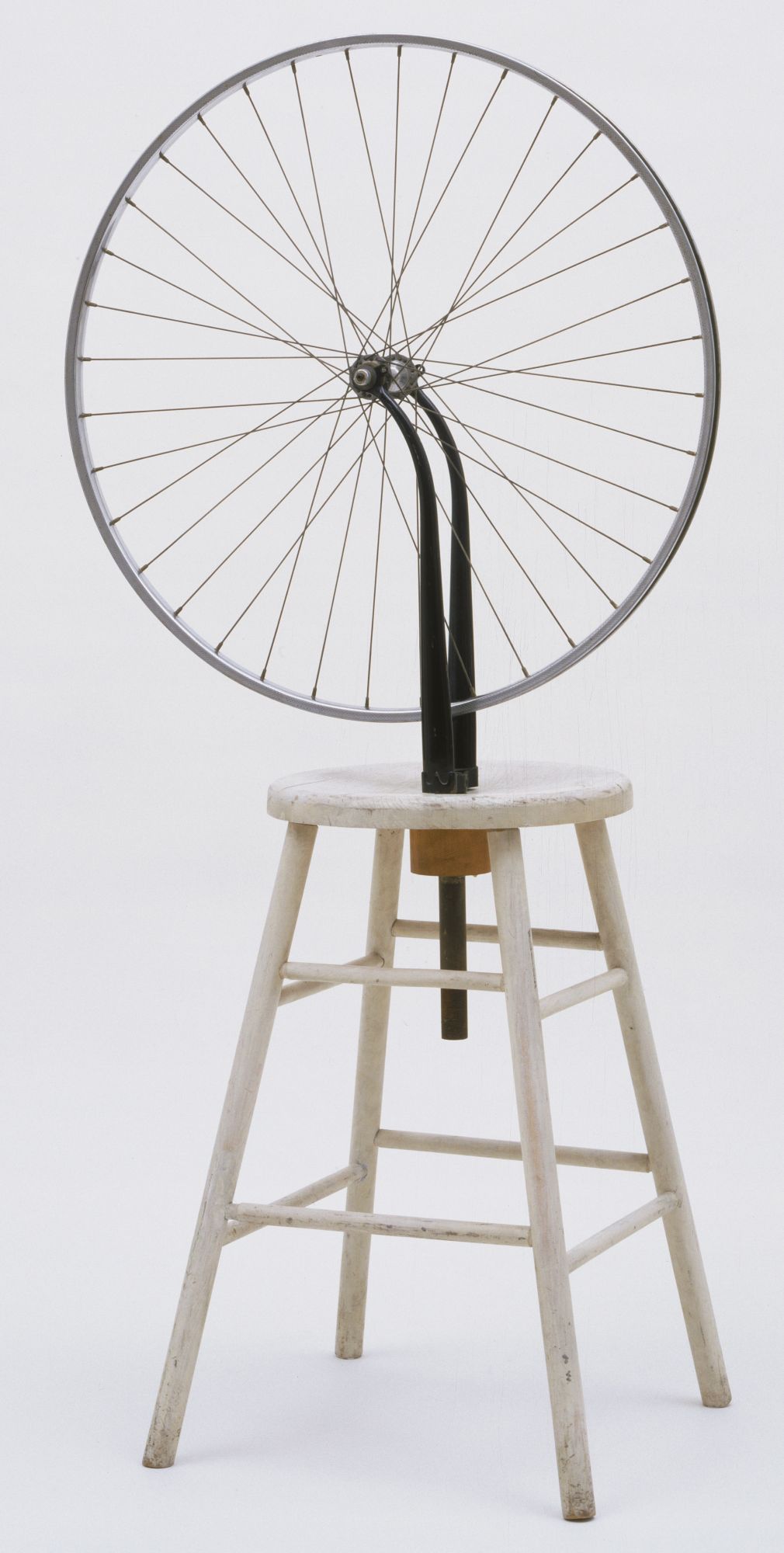
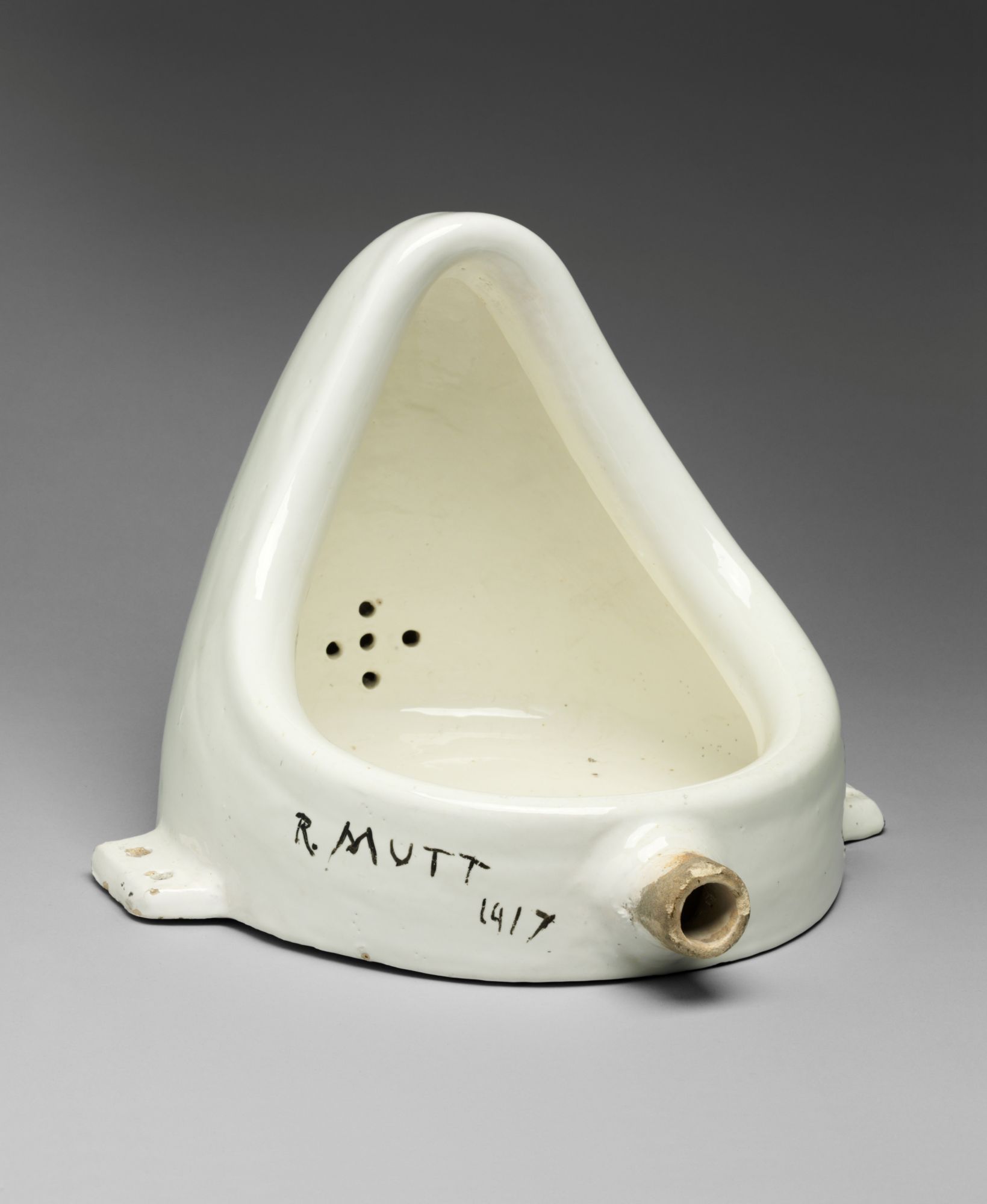
Marcel Duchamp, Bicycle Wheel, 1951(third version, after lost original of 1913). Metal wheel mounted on painted wood stool, 51 x 25 x 16 ½” (129.5 x 63.5 x 41.9 cm). The Museum of Modern Art, New York. Marcel Duchamp. Fountain, 1950 (replica of 1917 original). Porcelain urinal, 12 x 15 x 18” (30.5 x 38.1 x 45.7 cm). Philadelphia Museum of Art, Philadelphia
Born in France and emigrating to the United States at the age of five, Duchamp left an indelible mark on modern art and remains one of the most influential artists of the 20th century. The MoMA retrospective marks the first North American survey of Duchamp's work since the 1973 Philadelphia Museum of Art co-organized exhibition with MoMA, offering a rare opportunity for audiences to engage with his pioneering ideas.
The exhibition is organized by Ann Temkin, Michelle Kuo, Matthew Affron, Alexandra "Lo" Drexelius, and Danielle Cooke, who have collaborated extensively in researching and curating the extensive collection of nearly 300 works across mediums: painting, sculpture, film, photography, drawings, printed matter, and readymades. These artworks showcase Duchamp's relentless experimentation with the very definition of art itself, blurring distinctions between originality and reproduction, intentionality and chance, authorship and ownership.
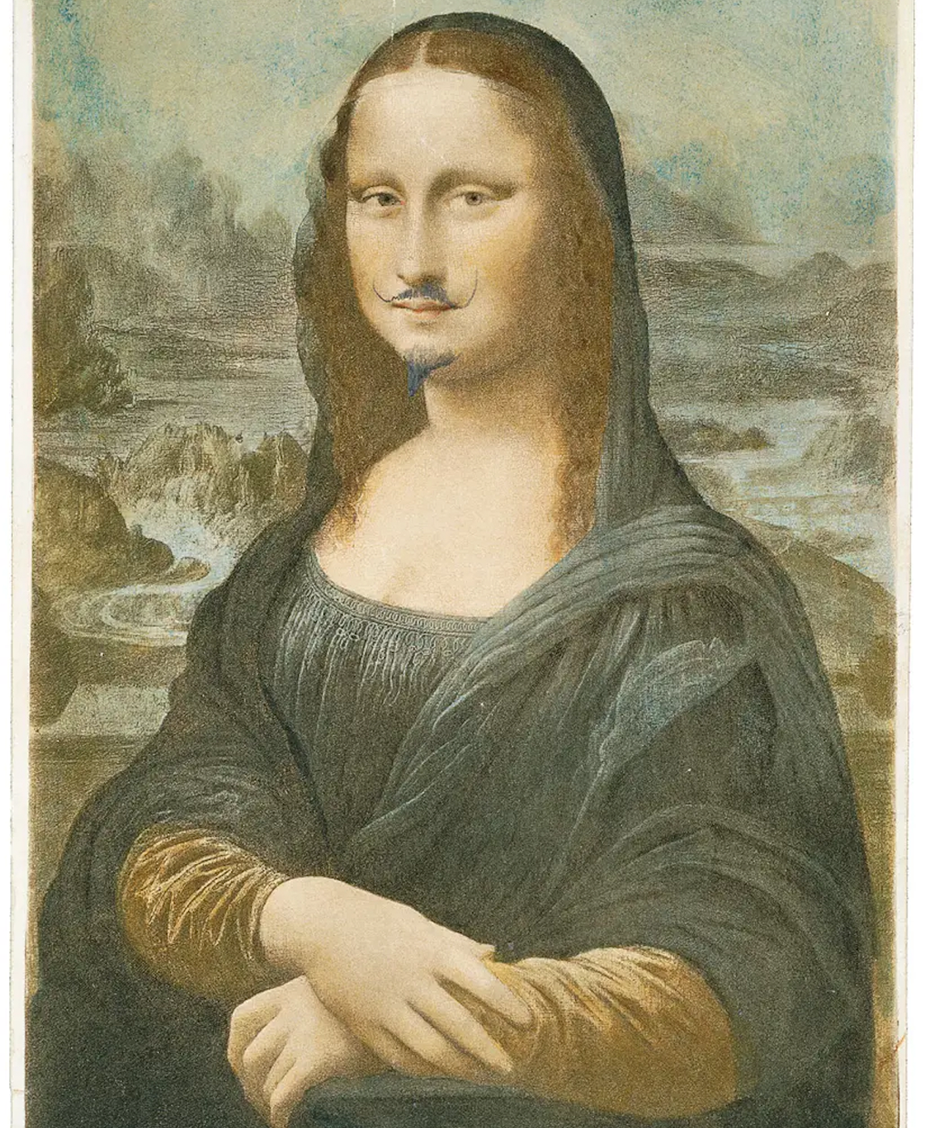
A major highlight of the retrospective will be the presentation of The Large Glass (1915-23), a monumental work on glass that liberated painting from both canvas and wall. Alongside preparatory studies and materials that informed its creation is a rare opportunity for audiences to view one of the most significant works in modern art history up close. Additionally, notable sections include Duchamp's invention of the readymade as a form of sculpture, his participation in New York and Paris Dada movements of the 1920s, and his groundbreaking film Anemic Cinema (1926). These exhibitions will feature some of the artist's most celebrated pieces, including L.H.O.Q. (1919) and The Box in a Valise (1935-41), which painstakingly reproduced his life's work in miniature.
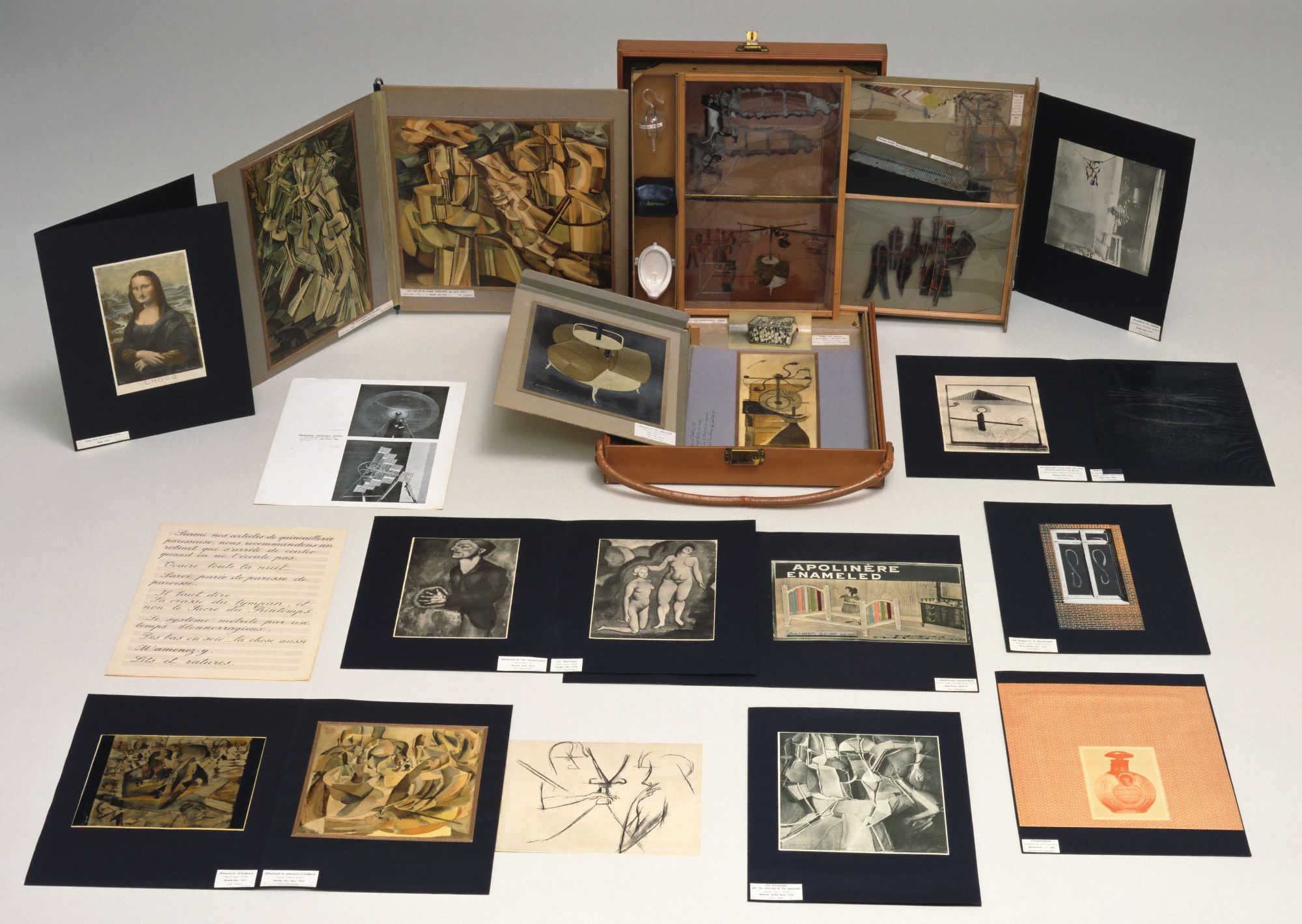
Marcel Duchamp. Box in a Valise (From or by Marcel Duchamp or Rrose Sélavy), 1935-41. Leather valise containing miniature replicas, photographs, color reproductions of works by Duchamp, and one “original” drawing [Large Glass, collotype on celluloid, 7 1/2 x 9 1/2″ (19 x 23.5 cm)], 16 x 15 x 4” (40.7 x 38.1 x 10.2 cm). The Museum of Modern Art, New York
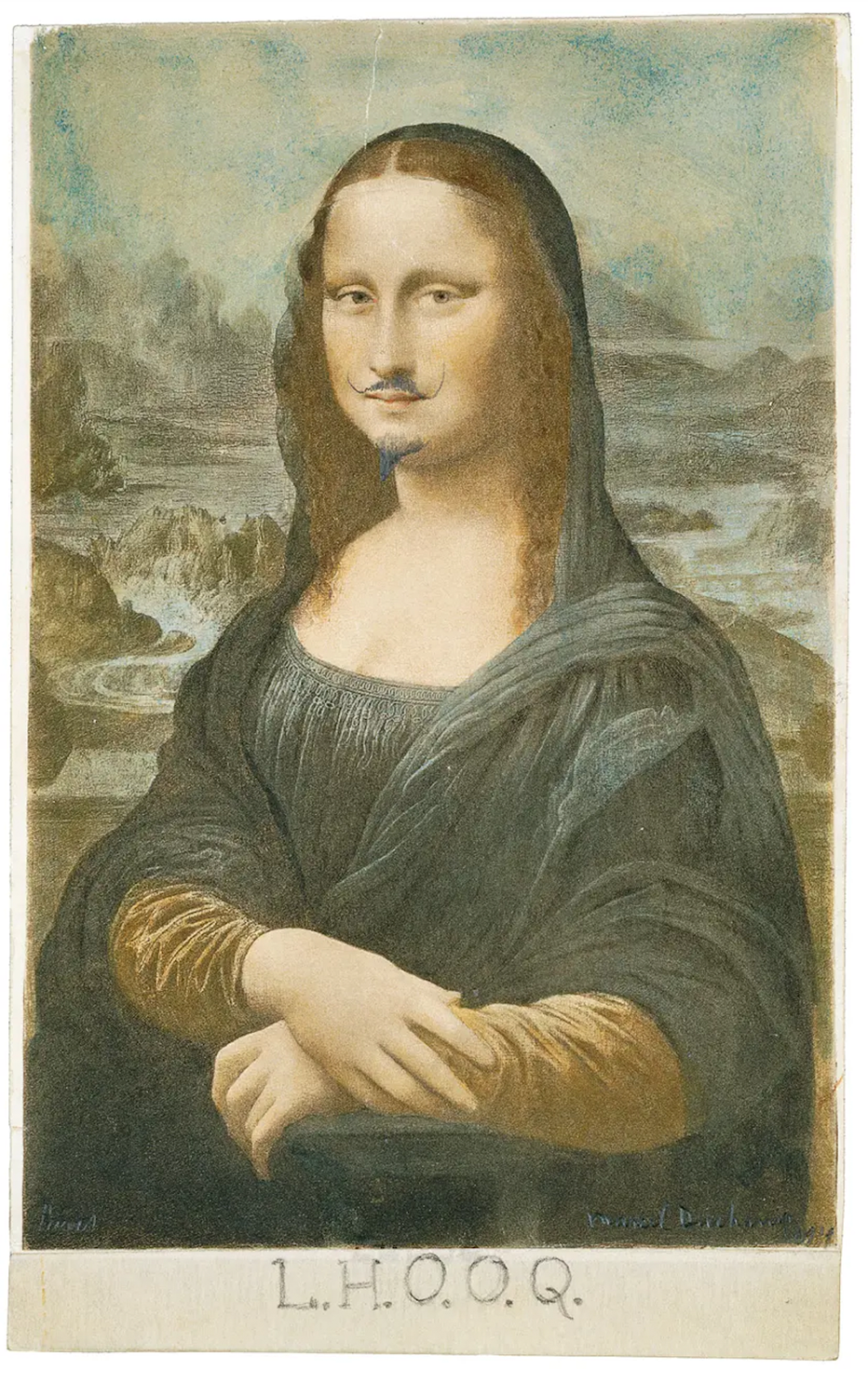
Marcel Duchamp. LHOOQ, 1919. Pencil on postcard (rectified readymade), 7 ¾ x 4 ⅞” (19.7 x 12.4 cm). Private Collection
The exhibition also draws attention to the rise of Duchamp's international renown during his final two decades, marked by major shows at institutions like the Pasadena Art Museum in 1963, where he presented authorized replicas of artworks created under his direction. In preparation for its European debut at Centre Pompidou – Musée National d'Art Moderne in Paris next spring, MoMA has published an extensive catalogue that surveys all mediums in which Duchamp worked. Featuring reproductions of nearly every work on view at MoMA as well as archival documents and historic photographs, this richly illustrated publication provides a comprehensive guide to the artist's oeuvre. The exhibition will run through August 15 at the Steven and Alexandra Cohen Center for Special Exhibitions at The Museum of Modern Art (New York).