
By Patricia Burén
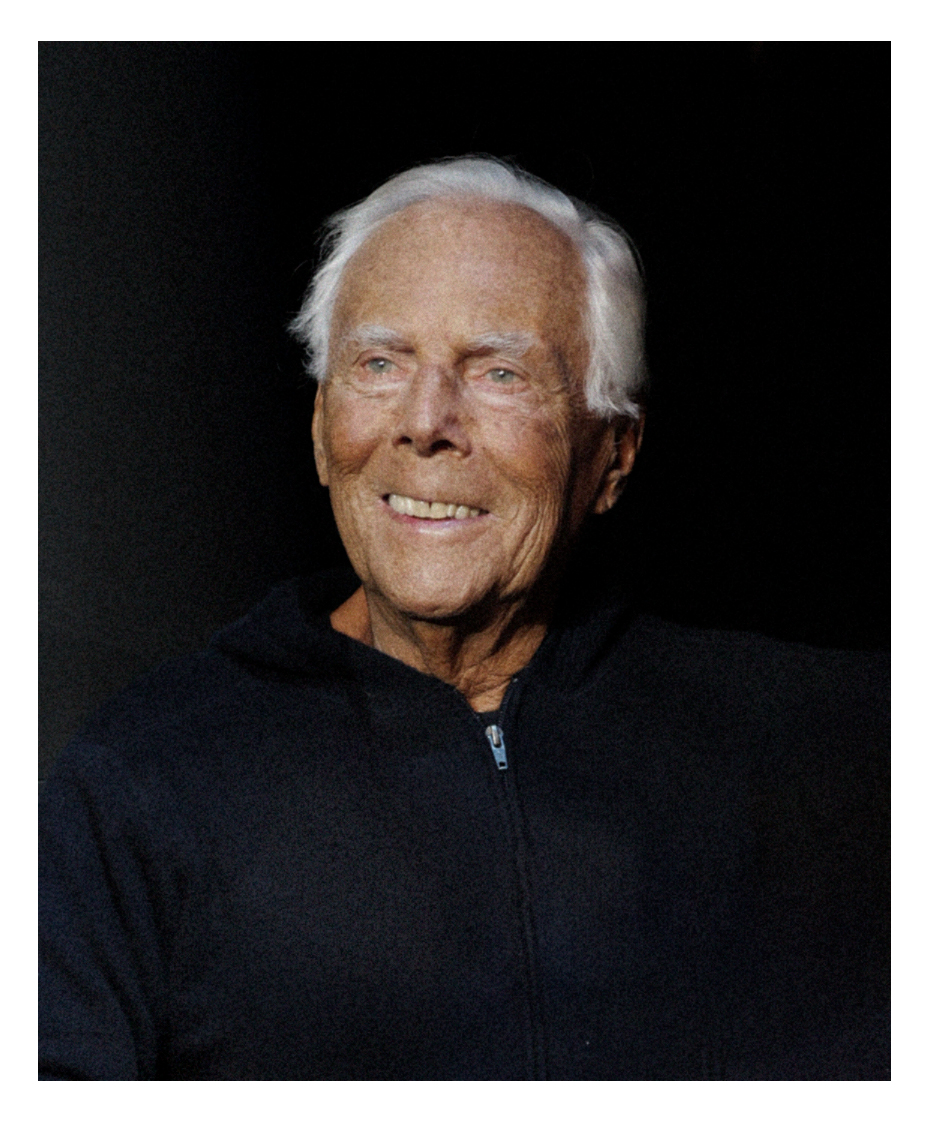
As his 50th year in fashion approached, Giorgio Armani prepared for a milestone celebration at Milan Fashion Week. But illness forced him to withdraw from the runway for the first time—a quiet sign that an era was nearing its close. On September 4, 2025, Armani passed away peacefully at home in Milan, surrounded by loved ones.
Born in 1934 in Piacenza, Italy, Armani began modestly, working as a window dresser before stepping into design. In 1975, he sold his beloved Volkswagen Beetle to fund the launch of his own label. That leap reshaped fashion history. What started as a single line grew into an empire spanning clothing, fragrance, interiors, hotels, restaurants, cosmetics, and even sports. Remarkably, he never relinquished control, remaining sole owner, CEO, and creative director until his final days.
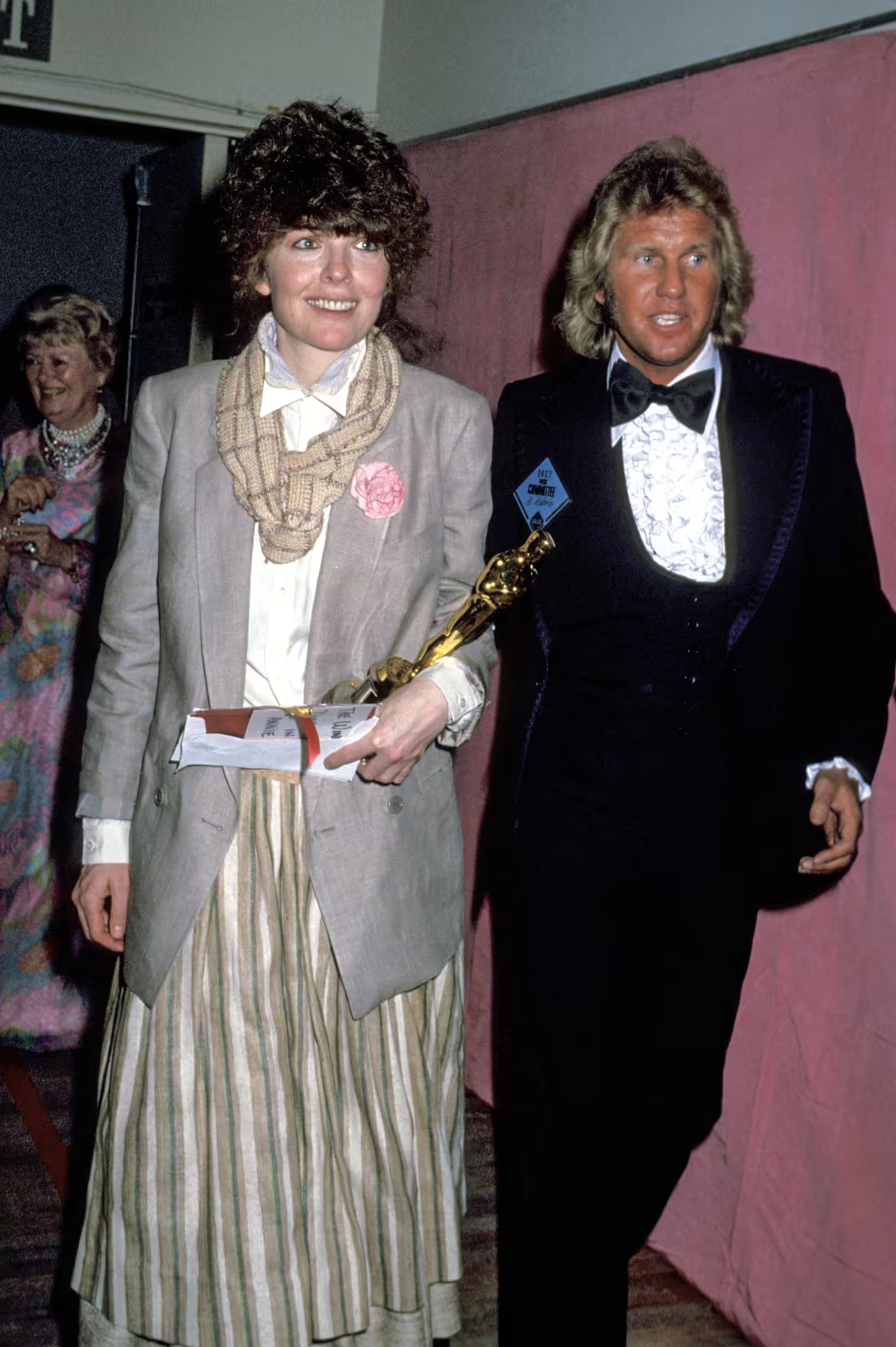
Armani’s impact was immediate and profound. By loosening the rigid structures of tailoring, he redefined elegance for a new era. His soft jackets and fluid suits freed both men and women from the stiffness of traditional clothing. In the late 1970s and 1980s, Hollywood embraced his vision: Richard Gere’s wardrobe in American Gigolo introduced Armani’s style to a global audience, followed by The Untouchables and Miami Vice. He became equally influential on the red carpet. Diane Keaton’s double-breasted jacket at the 1978 Oscars and Julia Roberts’s androgynous suit at the 1990 Golden Globes are remembered as turning points in how glamour could look.
But Armani’s influence reached far beyond silhouettes and fabrics. Known affectionately as “Re Giorgio,” he was celebrated for his humanity as much as his artistry. He brought humility to a notoriously ego-driven industry, inviting tailors and warehouse staff to his birthday dinners and obsessing over every detail, from ad campaigns to hairstyle choices for models. His approach balanced perfectionism with warmth, discipline with generosity.
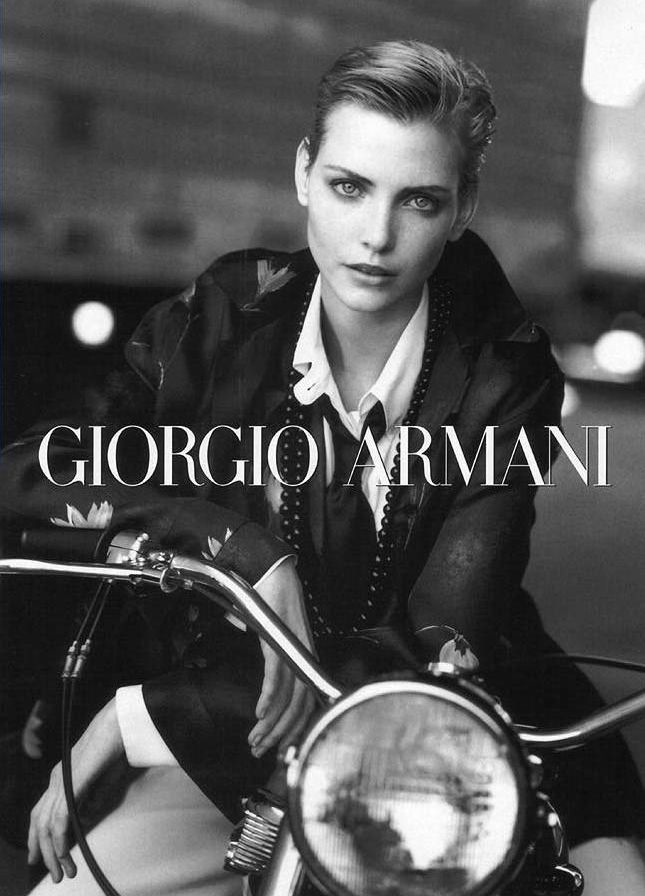
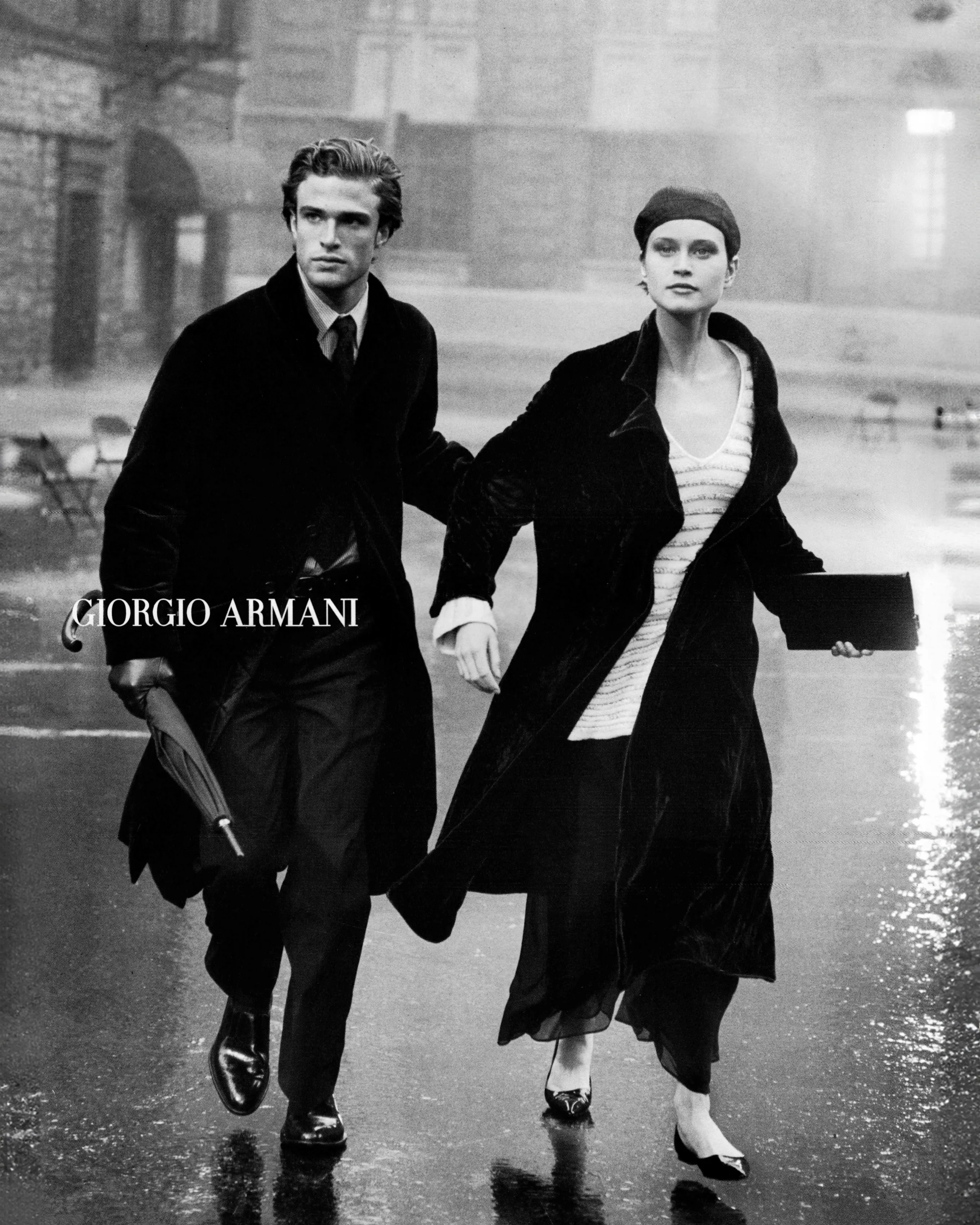
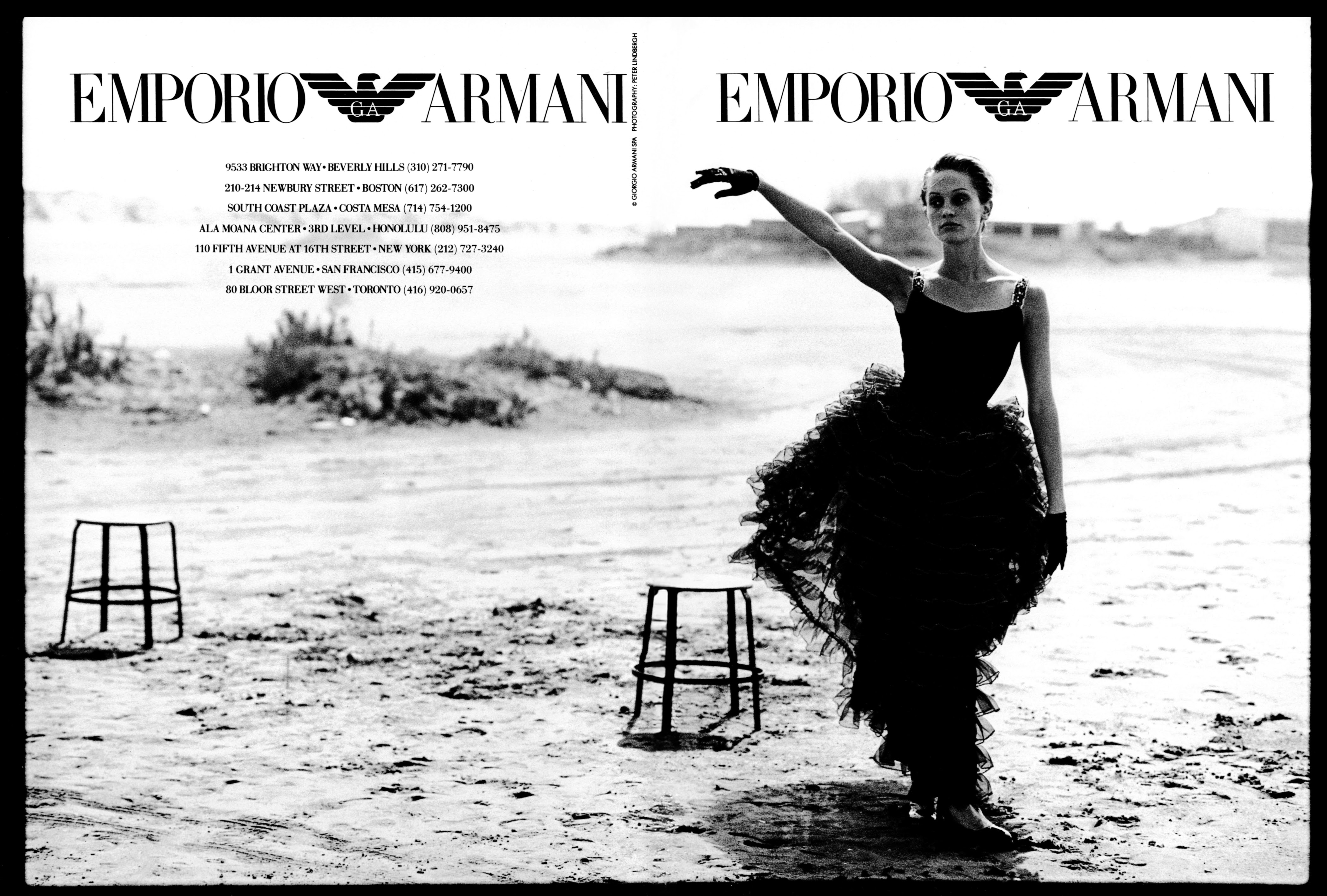
Giorgio Armani Fall 1996 advertising campaign (Images courtesy of Giorgio Armani)
His philosophy was simple but revolutionary: elegance without excess, refinement without arrogance. In doing so, he created an aesthetic that transcended time. His work was not just clothing; it was a new way of being seen—quiet power rendered in fabric. Armani gave us garments that could command boardrooms, brighten film screens, and redefine the red carpet, all while remaining wearable and human.
For many, his designs were personal. I still own a collarless blue Armani jacket I bought years ago. It remains one of my most cherished pieces. I reach for it in difficult moments when I need a sense of composure. It feels like armor—elegant, understated, enduring. That is the genius of Armani: he did not just make clothes; he made companions that travel with us through life.
Armani also understood that fashion lives through images. His collaborations with photographers like Peter Lindbergh, Herb Ritts, Richard Avedon, and Paolo Roversi produced some of the most iconic campaigns of the last half-century. Striking black-and-white portraits, cinematic ads, and luminous editorials were not mere marketing—they were a philosophy in visual form. He distilled elegance into something lasting, crafting a photographic legacy as powerful as his garments.
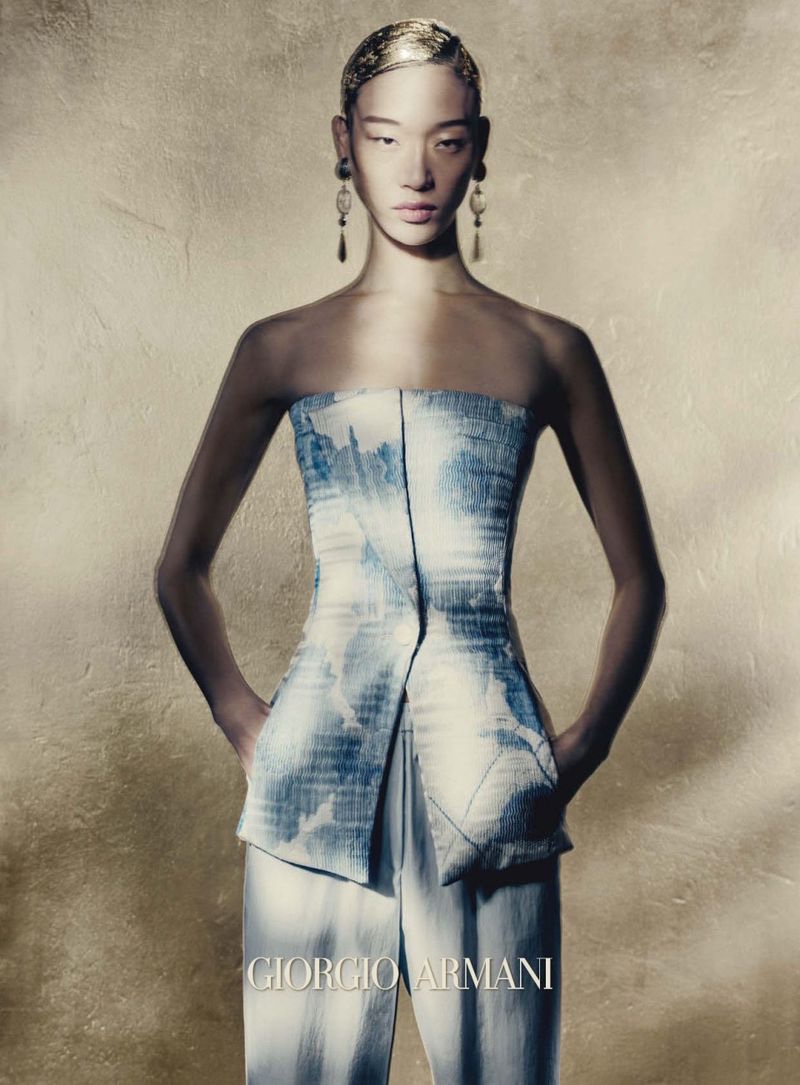
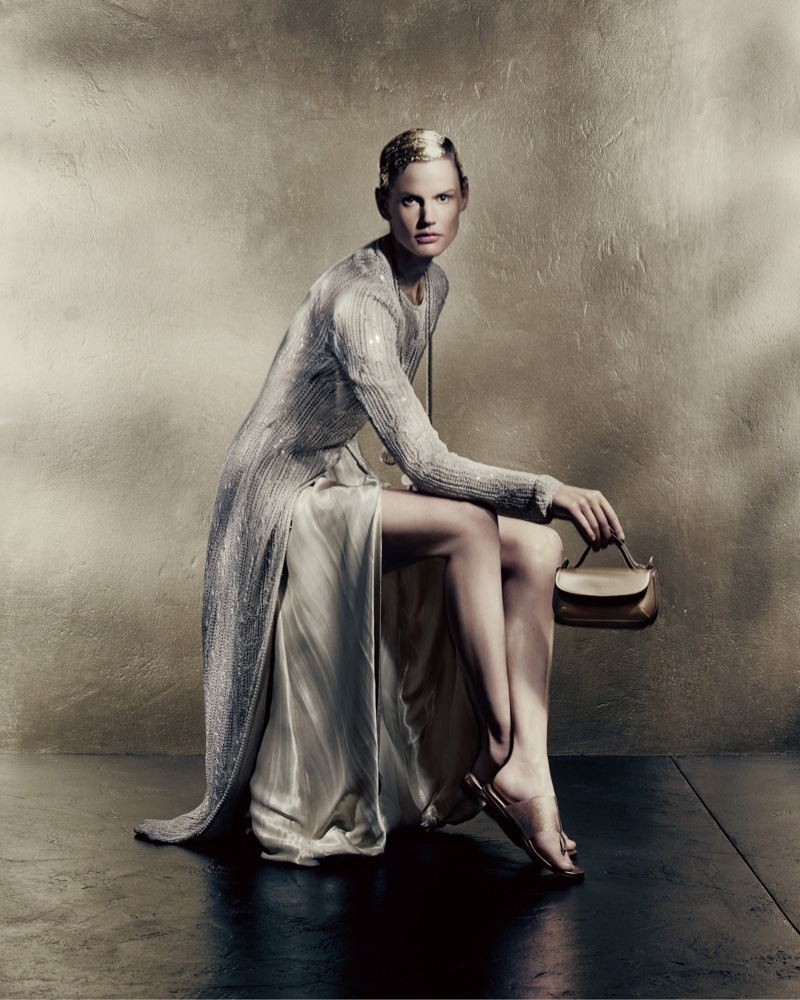
Giorgio Armani Spring 2023 advertising campaign (Images courtesy of Giorgio Armani)
Though Giorgio Armani is gone, his vision endures. His empire remains a testament to independence, and his designs continue to whisper of grace, restraint, and humanity. His was not a fashion of the moment, but of permanence. May he rest in peace, and may his clarity of style and spirit continue to guide and inspire for generations to come.