
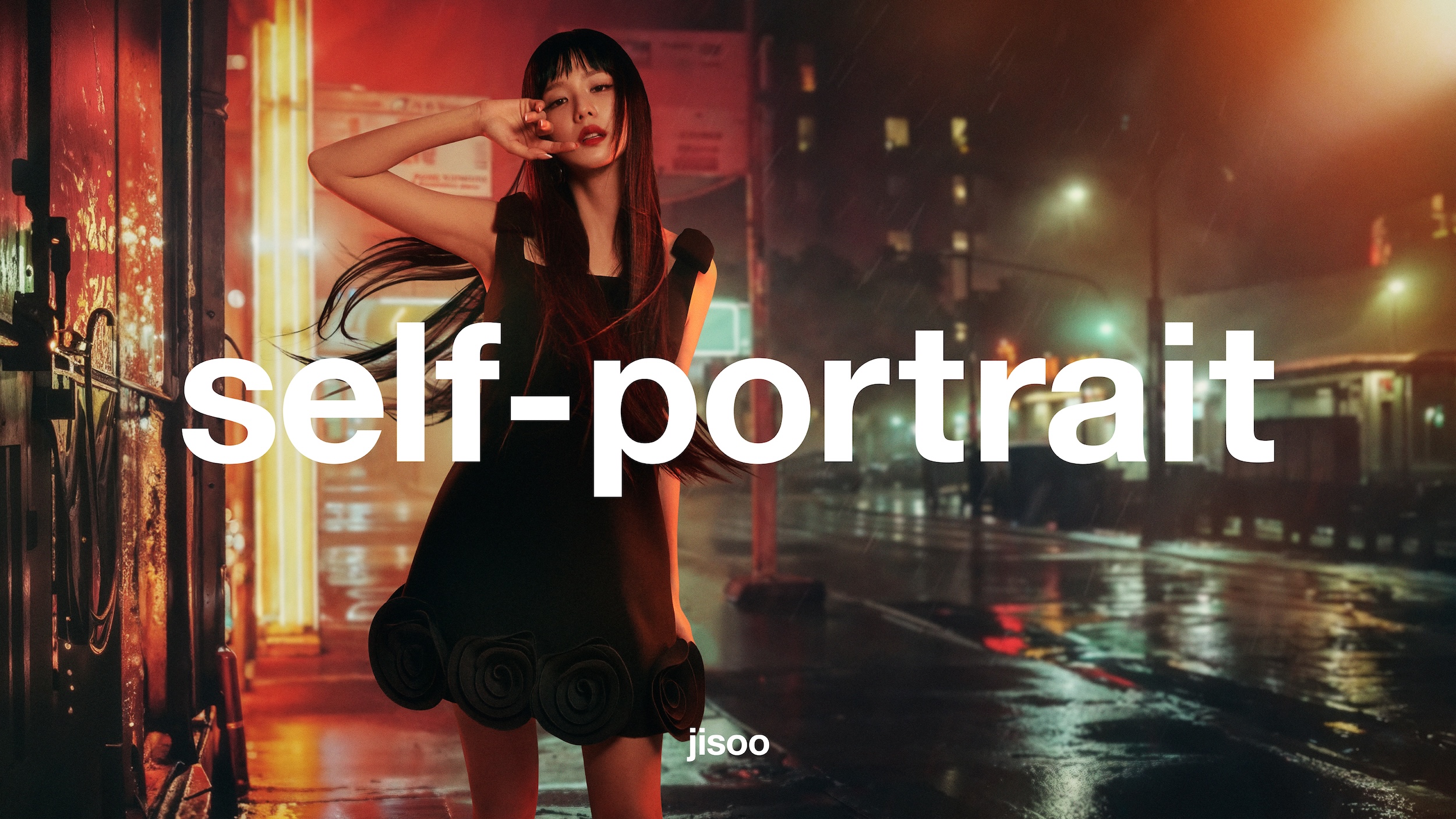
Neither the concept of “quiet luxury” nor the idea that time is money is new to the world at large. Since the release of Severance and the quiet luxury explosion in the high-end market, the idea has had its heyday, receded a little, and now reappeared in a new market: travel. As for our understanding of what time is truly worth, that has begun to clarify and evolve in 2026 too. Where these two ideas cross over and create something new is at their intersection with travel: the quiet luxury we’re talking about here is not just understated cashmere garments and soft tailoring but a quiet luxury that values time instead of material things.
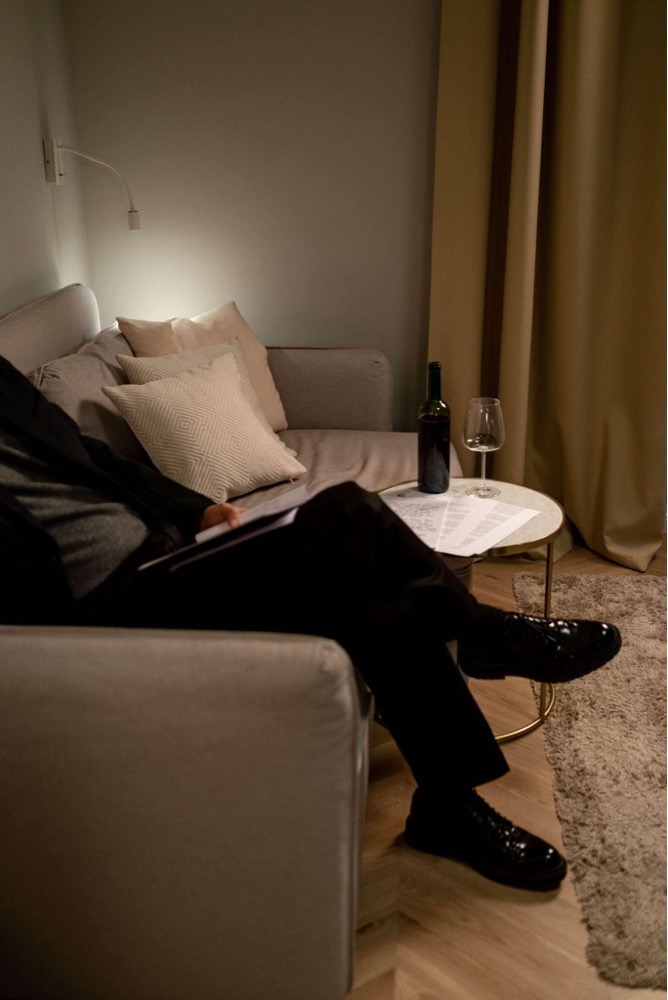
OK, But What Does This Actually Mean?
Since the idea of time being money and quiet luxury are concepts rather than physical things, we can view them from every possible angle. Let's take a minute to deconstruct them and how they intersect.
In traditional luxury culture, status is usually displayed through visible consumption: new and luxury products, having access to enough wealth to indulge in seasonal trends and constant upgrades. Quiet luxury shifts the focus toward things that endure:
High-quality items designed to last for years rather than months or until the end of a trend cycle
Craftsmanship and repairability are prized over replaceability: how a thing is made to last matters more than its flashiness.
Timeless design over trend-driven consumption: you’re buying things that will last and making sure they’re usable.
Experiences, attention, and personal well-being as markers of wealth instead of obvious branding and ostentatious belongings.
Quiet luxury increasingly revolves around protecting time rather than displaying status. Among high-frequency travellers, the most aspirational experiences are often the ones that remove unnecessary friction altogether — quieter departures, fewer transit interruptions, and schedules built around personal rhythm instead of public timetables. That shift helps explain why premium mobility providers like Air Charter Service have become part of wider conversations around intentional travel and flexible private jet charter experiences.
This creates a different relationship with time in several ways:
1. Time Is A Luxury Worth Paying For
For many of the world's most affluent consumers, time is worth more than money, because no matter what you do or who you engage to assist you, there is no way to make more of it. In 2026, for those embracing the “quiet luxury” principles in their lives, the ultimate status symbol has shifted from material things to having complete control over one's time. There are ways to avoid rushing, to outsource tasks that you don't ultimately need to do yourself, and to pour that time into doing meaningful, valuable things with your time in the way that you want to use it…that's real wealth and worth its weight in gold.
2. Products Last for Longer
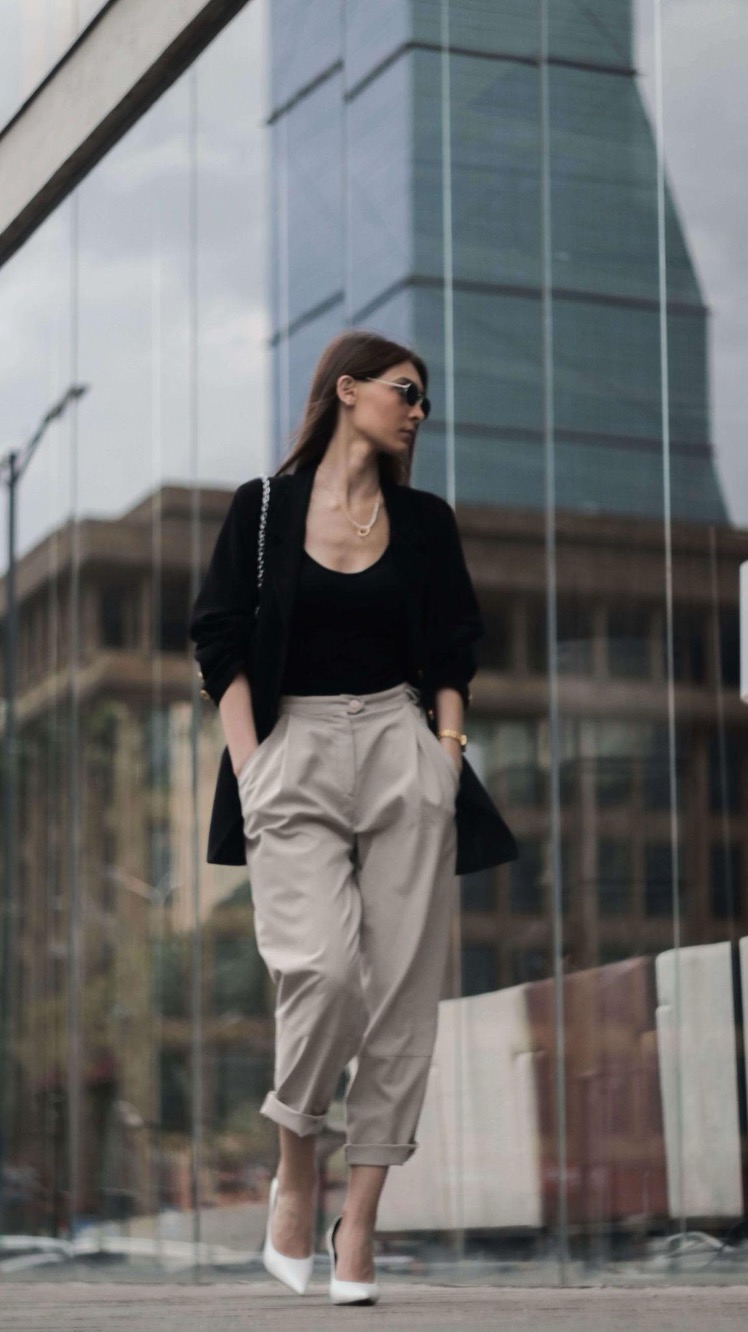
Quiet luxury is about fewer, better things. Instead of the option for the obviously luxury choice, those in the know are opting for exquisitely crafted garments and items — a solid, classically shaped pure wool sweater over a knit emblazoned with the Gucci branding, for example — that will not fall out of trend, will not appear dated and will last long enough to become an heirloom. The quiet luxury aficionado avoids trends and chooses personal style and the consumption of well-made goods instead.
3. Patience over Instant Gratification
Luxury products, designed with longevity and classic appeal in mind, often take significantly longer to produce than trending items that will become obsolete after a cycle. Waiting for a handcrafted item made by a skilled artisan, custom tailoring, or a bespoke piece requires patience, but the result produced is a far more satisfactory one in the long run. Scarcity, rather than marketing hype, is what makes items that take time so special.
4. Heritage and Continuity Are KEY
Brands that have mastered or are associated with the quiet luxury movement are usually ones that emphasize a tradition of quality, timeless creations over what's hot this week on TikTok. These brands encourage their consumers to think in generations rather than quarterly trend cycles. These are brands that have a history of crafting pieces that never go out of style if you know how to style them.
5. Slow Consumption
The idea of quiet luxury and how it relates to time being worth money plays into the broader trend (one that will remain, hopefully forever) of sustainability. This cultural movement or trend is one that prizes mindful consumption as a way to prevent waste and ensure that each consumer does their part to keep the earth healthy and live intentionally rather than without thought. The idea asks consumers to question whether or not constant purchases and consumption (of non-necessities) should be part of their lives.
Luxury Over Time
Quiet luxury reframes wealth as the ability to buy the things you want whenever you want them, but as the freedom to think in the longer term and make purchases that make sense in the grand scheme of your life. Quiet luxury means you get to invest in things that take time and will last a long time, and that is worth a lot. Luxury ceases to be the product but becomes the consumer’s relationship with the product over time.
Sponsored Post