

Sponsored Post
Wearable technology has spent a decade getting smaller, smarter, and far better looking. What began as clunky gadgets now sits comfortably alongside fine jewelry and designer watches.
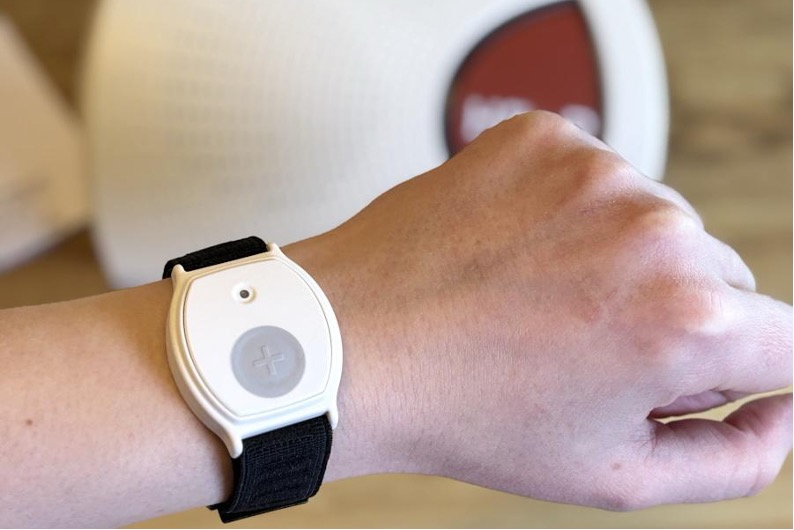
Courtesy of lifeassure.com
Style-conscious people no longer have to choose between looking good and staying safe. Discreet devices, including a reliable GPS for seniors, now fold real protection into an everyday accessory. Here is how safety tech quietly earned its place in the modern wardrobe.
Why Is Wearable Tech Becoming a Style Statement?
Because the line between gadget and accessory has all but vanished. A smartwatch is now a fashion choice, and the same shift is reaching safety devices.
The audience has changed too. Older adults are more connected than ever, and broad tech adoption across every age group means a wearable no longer marks someone as frail. It simply marks them as modern.
Design has caught up with that mindset. Brands realized that a device people are embarrassed to wear is a device left in a drawer, so form finally became as important as function.
The result is a category reborn. What was once purely medical now reads as personal style, and that change is exactly why more people actually keep these devices on. The stigma that kept older safety tools in a drawer is fading fast, replaced by pieces a wearer is genuinely proud to show.
What Makes a Safety Wearable Worth Wearing?
A blend of looks and genuine usefulness, in that order for most buyers. The best devices earn their place on the wrist or collar. Look for these:
1. Discreet design. It passes as jewelry, not a medical device.
2. All-day comfort. Light enough to forget you have it on.
3. Fall detection. Calls for help automatically after a fall.
4. GPS location. Finds the wearer anywhere, not just at home.
5. Two-way voice. Connects to a real responder in seconds.
Each feature matters only if the device is actually worn. A beautiful piece that stays on all day protects far better than a clinical one that does not.
That is the quiet revolution here. When safety looks good, people wear it consistently, and consistency is what turns a gadget into a genuine safeguard.
How Are Designers Rethinking Devices for Older Adults?
By treating older wearers as customers with taste, not patients with needs. The shift mirrors what fashion has long understood about identity.
Materials have moved upmarket. Brushed metals, soft silicones, and muted tones replace the old beige plastic, so a device fits as naturally as the street style pieces that shape a personal look. The aim is something you would choose, not merely tolerate.
Technology made it possible. Advances in digital health shrank the hardware, freeing designers to think about silhouette and finish rather than just circuitry.
So the modern safety wearable is a design object first. It answers a real need quietly, which is precisely why a new generation is happy to wear one. Fashion has always understood that we keep what we love and abandon what we merely tolerate, and safety design has finally taken the lesson to heart.
What Should Style-Conscious Buyers Look For?
The same things you would weigh with any accessory, plus the tech that counts. A quick checklist keeps the choice sharp. The numbers below help:
Aim for a response time under 60 seconds.
Expect a battery measured in days, not hours.
Confirm coverage runs 24 hours a day.
Look for at least 2 wear styles to choose from.
Add 1 trusted contact to the account.
Those points keep both style and substance in view. The table below frames the trade-offs.
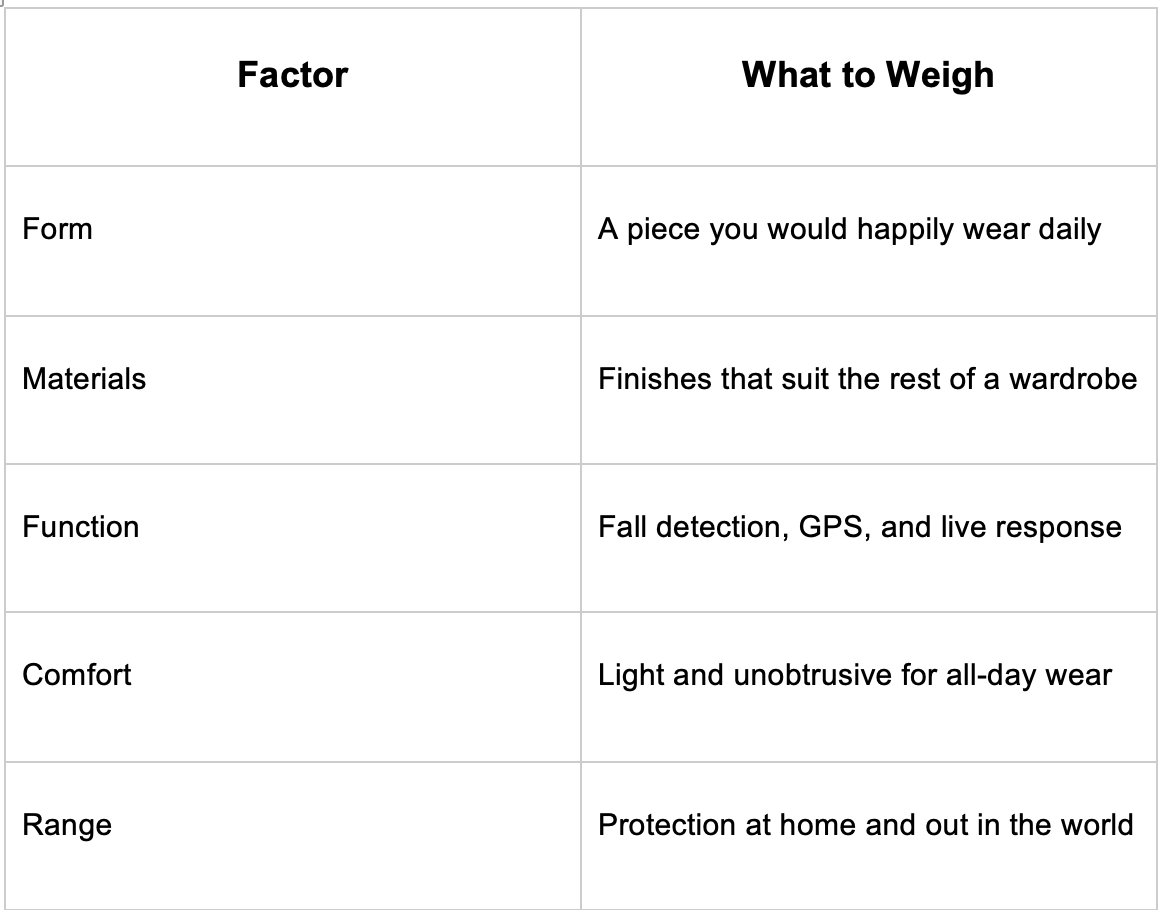
Image courtesy of lifeassure.com
Alt text: Makes a Safety Wearable Worth Wearing Quiet Rise Stylish Safety
Each row keeps looks and safety in balance. The right device, like any good designer accessories choice, should feel like an extension of personal style.
What to Take Away
Wearable safety tech has become genuinely stylish.
A device only protects if it is actually worn daily.
Design now matters as much as the technology inside.
Prioritize comfort, finish, and a discreet silhouette.
Confirm the core features: fall detection, GPS, live response.
Style That Looks After You
Safety and style are no longer at odds. The best wearable devices protect quietly while looking like something you actually want to wear, which is exactly why people keep them on. Choose a piece that fits your life and your wardrobe, confirm the features that matter, and let the technology do its job out of sight. Looking after yourself has never looked this good.
Frequently Asked Questions
Are Medical Alert Devices Still Bulky and Obvious?
Not anymore. Modern devices are slim, lightweight, and designed to look like everyday jewelry or a sleek wristband. Many people would never guess the piece is a safety device at all. That discretion is a big reason more wearers now keep them on every single day.
Can a Safety Wearable Really Look Like Jewelry?
Yes. Designers now use brushed metals, soft finishes, and minimalist shapes so a device blends into a polished look. Pendants pass as necklaces and wristbands resemble fitness bands. The goal is a piece you would choose for its style, with the safety features built in quietly.
Do Stylish Safety Devices Still Work Well?
Absolutely. A more attractive design does not mean weaker technology. The best devices pair a refined look with fall detection, GPS, and 24/7 monitoring. In fact, because people are more likely to wear an attractive device, the stylish option often protects more reliably in practice.
Who Are These Wearable Devices Designed For?
Anyone who values both independence and peace of mind. They suit active older adults, people with health conditions, and anyone who travels or lives alone. Increasingly, design-conscious buyers of all ages choose them, drawn by the mix of genuine safety and a look they are happy to wear. Adult children often buy them for a parent, then quietly start eyeing one for themselves.