
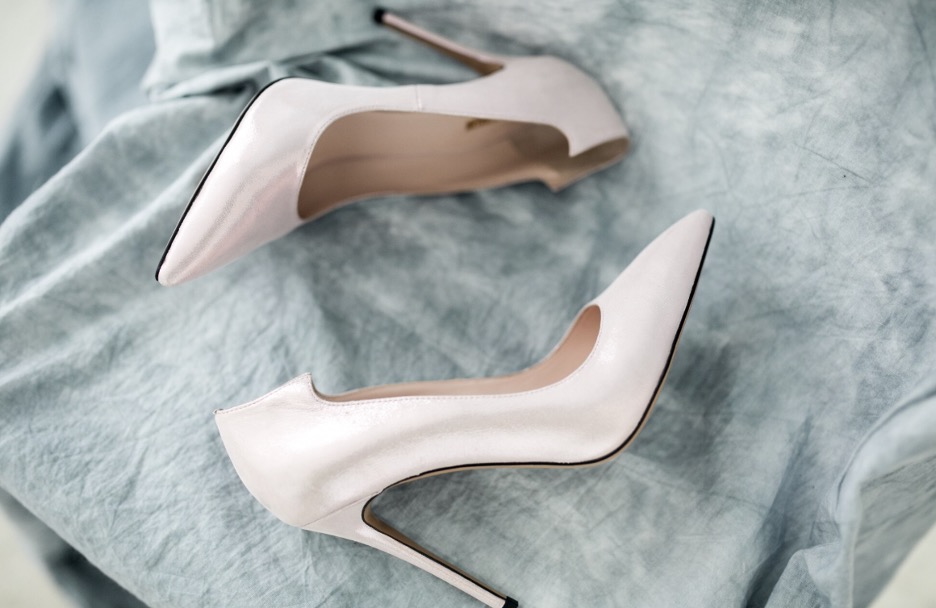
Designer heels can last for decades when you protect the parts that take the most abuse. The heel tips, soles, leather uppers, linings, straps, and hidden shank all wear at different speeds. Waiting until damage becomes obvious usually means the repair becomes harder, more expensive, or impossible to hide.
If you want to know how to make designer heels last, the real answer is routine care. Let’s discuss in this article.
Start Before The First Wear
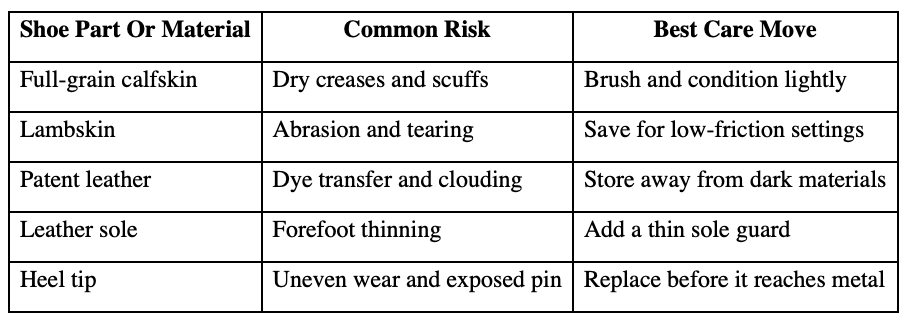
New heels often need protection before they touch pavement. Many factory heel tips are thin plastic. The Shoe Service Institute of America notes that many original heel tips on women’s shoes are made from hard plastic, even on expensive shoes. Plastic wears fast, slips easily, and can expose the metal pin inside the heel.
Before wearing a new pair outside, take care of the weak points first.
Replace factory heel tips with rubber lifts.
Add thin sole guards to leather bottoms.
Test the fit while standing, since feet spread under body weight.
Break the shoes in indoors before a long event.
Check straps, buckles, and heel stability.
These designer heel maintenance tips help prevent the first round of scuffs, thinning, and uneven wear.
Buy For Structure, Not Only Finish
Luxury heels last longer when the base can be repaired. Welted or stitched construction gives a cobbler something solid to work with during future sole replacement. Cemented shoes depend heavily on glue, which can weaken with heat, moisture, and age.
Research classifies full-grain leather as the strongest grade because it keeps the natural outer grain. That makes full-grain calfskin a practical choice for frequent wear. Lambskin feels soft and looks beautiful, but it scuffs faster and needs gentler use.
If you are buying a pair you plan to keep for years, choose shoes that can handle future professional shoe repair without losing their shape, pitch, or balance.
Rotate Pairs And Let Leather Recover
Leather absorbs moisture from your feet during wear. If you wear the same heels again the next day, the lining and upper may still be damp. University of Idaho Extension recommends letting shoes dry thoroughly between wears to reduce breakdown and distortion.
Give each pair 24 to 48 hours of rest in an open, ventilated space. Do not seal freshly worn heels in plastic boxes. Airflow helps the lining dry, and dry leather holds its shape better under pressure.
Rotation also protects the heel block and shank. A sleek sandal may work well with a summer formal dress, while a sturdier pump may handle longer walking. Using the right pair for the setting keeps stress from landing on the same shoes every time.
Store Them Like Shape Is Part Of The Shoe
Bad storage can damage shoes that were barely worn. The toe box can collapse. The vamp can crease deeply. Straps can twist. Heat can dry the leather, while humidity can weaken adhesives.
Treat storage as part of learning how to care for luxury heels.
Insert cedar shoe trees, tissue, or soft supports after each wear.
Keep each pair in a breathable dust bag.
Store patent leather away from dark leather or plastic.
Keep heels away from windows, heaters, hot cars, and damp closets.
Brush off grit before putting shoes away.
Cedar shoe trees work especially well for smooth leather pumps because they support the toe and absorb light moisture. For delicate heels with narrow or unusual shapes, acid-free tissue can be gentler.
Repair Small Damage Before It Spreads
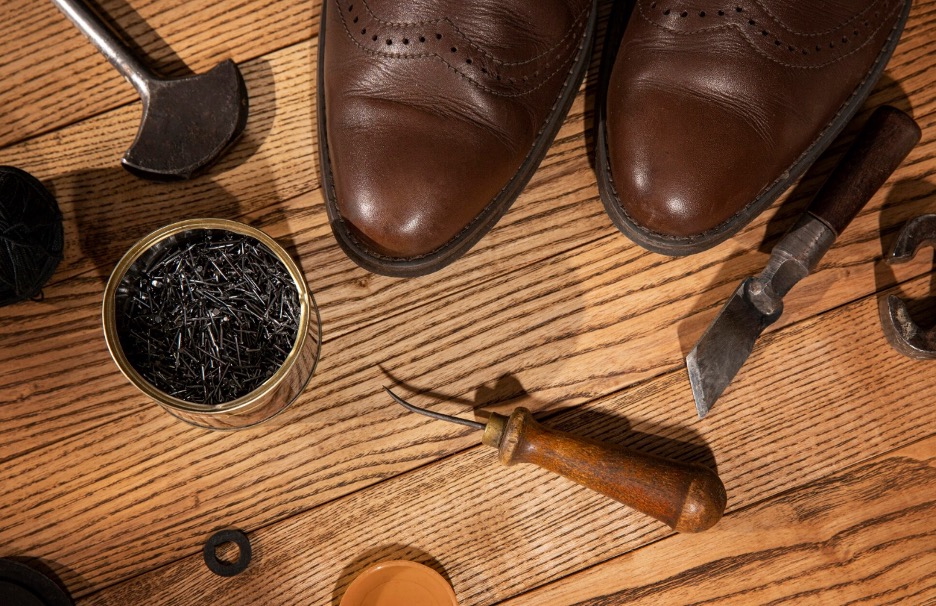
Small repairs protect the larger structure. A worn heel tip can split the heel block once the metal pin hits pavement. A thinning sole can let moisture reach the inner layers. A loose heel can strain the shank and alter your gait.
Professional shoe repair for heels should happen before the shoe feels unstable. Watch for clicking under the arch, wobbling at the heel, peeling near the sole edge, or a soft spot under the ball of the foot. These signs point to stress below the surface.
Heel sole replacement tips are simple. Replace or protect soles before they become thin enough to flex sharply. Ask for a trim profile that matches the original shape. Thick, bulky soles can change how designer heels look and feel.
Clean And Condition By Material
Every material needs different care. Smooth leather can usually handle a soft brush, a mild cleaner, and a small amount of conditioner. Suede needs a suede brush and careful dry cleaning. Satin stains quickly, so rubbing can make marks worse. Patent leather should be wiped with a soft cloth and stored separately to avoid dye transfer.
Use less product than you think. Heavy oils can darken leather or sit on coated finishes. Clean first, condition lightly, then let the shoes breathe. When extending the life of designer shoes, gentle cleaning beats aggressive scrubbing.
A polished pair of pumps can carry a formal outfit as easily as a bold mini dress and heels, but dirt along seams will still grind against stitching if left in place.
Final Thoughts
The best way to make designer heels last is to deal with wear early. Replace weak heel tips. Protect leather soles. Rotate pairs. Store them with support. Clean by material. Book repairs while the shoe still holds its shape.
A good pair can carry years of outfits when the structure stays sound. For more style notes built around lasting wardrobe choices, explore the fashion blog.
Sponsored Post